Fact checked by Nick Blackmer

Electrolyte and energy drinks often contain added vitamin B6—levels that can add up quickly when combined with other supplements.
Credit: vgajic / Getty Images
Vitamin B6 toxicity is rare but can occur with long-term high-dose supplement use or stacking multiple fortified products.
Energy and electrolyte drinks can contribute significant B6, especially when combined with other supplements throughout the day.
Reading labels and limiting unnecessary supplements can help prevent exceeding safe vitamin B6 intake levels.
There’s no shortage of energy and electrolyte drinks on store shelves right now, and while they can be tasty ways to help perk you up or increase hydration, they may also be pushing you past the recommended limits of vitamin B6—especially if you’re regularly stacking multiple products, like multivitamins, electrolyte powders, and energy drinks.
Can You Take Too Much Vitamin B6?
Vitamin B6 (pyridoxine) is an essential nutrient that impacts nerve function, red blood cell formation, and can support immune health, among other things. And while it is possible to take too much, it’s unlikely to be a problem unless you’re consuming extremely high doses over long periods of time.
That’s because vitamin B6 is water-soluble. “Water-soluble vitamins are not stored in our body, and any excess amount we take in will end up being lost through our urine,” Jessica Garay, PhD, RDN, CSSD, a registered dietitian, assistant professor in the Department of Nutrition and Food Studies at Syracuse University, and owner of Major League Wellness, told Health.
The Recommended Dietary Allowance (RDA) for vitamin B6 for most adults aged 19–50 years old is 1.3 milligrams (mg) per day. (The RDA is higher during pregnancy and lactation.) The Tolerable Upper Intake Level (UL) for vitamin B6 is 100 mg per day for adults 19 years and older.
Vitamin B6 is found naturally in many foods—chickpeas, fish, poultry, bananas—and so deficiencies are rare. It’s also unlikely to get too much vitamin B6 from food; toxicity typically comes from supplements, which often contain higher, more concentrated amounts.
What Happens If You Get Too Much?
Though B6 toxicity is rare, it’s not impossible—and it appears to be increasing. The National Poison Data System’s annual reports showed a roughly 40% increase in cases over 10 years, from 311 cases in 2014 to 439 cases in 2024.
A serious side effect from too much B6 is peripheral neuropathy, or nerve damage. Symptoms include tingling or numbness in the hands and feet, less sensitivity to heat or cold, or weakness in the limbs. Sensitivity to light, nausea, and heartburn can also result from too much B6.
“Severity varies based on the level of toxicity and the supplement dosage the person was taking,” registered dietitian Sara Riehm, RD, LD/N, CSOWM, told Health. “Because there are lots of conditions that can cause [peripheral neuropathy], it’s very important to be transparent about the supplements you’re taking when seeking treatment.”
For patients who developed peripheral neuropathy from vitamin B6 toxicity, “many recover within six months of stopping their B6 supplement, but some do not,” said Riehm.
Why Electrolytes, Energy Drinks, and Other Supplements Are Part of the Conversation
Electrolyte and energy drinks often include B6, as well as other vitamins and minerals, in amounts that exceed the RDA or UL—some electrolyte powders have several times the RDA of B6 in a single serving. On their own, these products may not pose a risk, but the concern is how easily intake can add up when multiple products are used daily over time.
According to an interview with NBC News, a 36-year-old Colorado woman reportedly experienced vitamin B6 toxicity or poisoning from consuming electrolyte drink mixes daily—the packets, she said, contained 1.93 mg of vitamin B6, almost 150% of the recommended daily amount.
After experiencing strange symptoms, like vertigo, heart palpitations—and eventually developing peripheral neuropathy—blood tests confirmed that she had vitamin B6 levels more than twice the upper limit, and was told to stop drinking the electrolyte drinks.
Additionally, while not linked to energy or electrolyte drinks specifically, the Australian government in November 2025 moved to tighten restrictions on supplements containing high levels of the vitamin. Beginning in 2027, products containing more than 50 mg per daily dose will be sold behind the counter at pharmacies.
How to Avoid Accidentally Getting Too Much
Supplementing with vitamin B6 isn’t necessary for most people. “If you eat a variety of foods, particularly plant and animal proteins, you will hit your daily needs from diet alone,” said Garay.
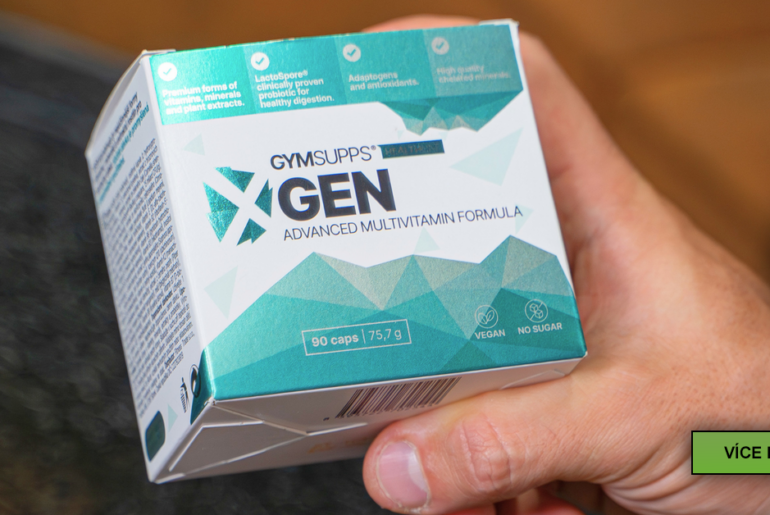
And while it’s also rare to experience vitamin B6 toxicity, it’s still a good move to read the product labels of all supplements and electrolyte products for their B6 content—especially if you regularly stack different products, like multivitamins, B-complex supplements, electrolyte powders, and energy drinks.
Experts say you may want to consider whether you actually need all of those dietary supplements: “Not everyone needs an electrolyte drink every day,” said Riehm. She recommends them to her clients only in certain situations: when they’re going to be exercising for an hour or more, will be sweating excessively, or have diarrhea or vomiting that could cause dehydration and an electrolyte imbalance.
“Otherwise, these drinks are adding in a bunch of nutrients we don’t necessarily need,” said Riehm. “Vitamin B6 is a great example of that.” And while each product alone may seem harmless, it’s the cumulative intake that can quietly push you past safe levels.
Read the original article on Health