Vitamin B1, also known as thiamin, plays a crucial role in energy metabolism, helps maintain nerve function and supports a healthy heart.
It’s one of the eight essential B vitamins, each of which plays a special role in the body. B1 helps the body convert the food we eat into fuel for our cells, especially those in the nervous system.
Thiamin is water-soluble, which means it isn’t stored in the body in significant amounts and any excess gets excreted in urine, per the National Institutes of Health.
It has a number of health benefits, so it’s important to get some thiamin every day to maintain adequate levels.
Thiamin Benefits
The main function of thiamin is to support the chain of chemical reactions that make up our metabolism, Julie Stefanski, a registered dietitian and spokesperson for the Academy of Nutrition & Dietetics, tells TODAY.com.
Thiamin specifically supports energy metabolism, or the breakdown and conversion of nutrients — carbohydrates, protein and fat — into usable energy for cells.
It plays a key role in the growth, development and functioning of cells, per the NIH. This includes neurons in the brain which create neurotransmitters and facilitate nerve signaling — so B1 is important for cognitive function, memory and mood.
Thiamin acts as a coenzyme, says Stefanski, because it catalyzes the chemical reactions that generate cellular energy. It does not directly “boost” energy levels.
That’s an important distinction, she adds, because B1 is added to many energy drinks and products marketed as natural stimulants.
“Taking large amounts of thiamin does not help these processes work harder or (produce) a higher level of energy,” Stefanski says.
Thiamin Recommended Daily Intake
Thiamin has a short half-life, which means the body gets rid of it quickly, so we need to maintain a continuous supply from our diet, per the NIH.
It’s found naturally in foods, added to food products and available as a supplement.
The recommended dietary allowance of thiamin for adults is:
Men: 1.2 milligrams per dayWomen: 1.1 milligrams per dayPregnant women: 1.4 milligrams per day
Getting this much thiamin daily is enough to support your needs and prevent a deficiency, says Stefanski.
“Extremely restrictive eating patterns can create a lack of thiamin on a daily basis,” says Stefanski.
Alcohol dependency, diabetes, HIV/AIDs, and weight loss surgery can make it harder absorb thiamin, which can increase the risk of a deficiency, per the NIH.
Signs of a deficiency include fatigue, weight loss or an enlarged heart. “A severe deficiency can cause mental confusion, difficulty walking, and memory loss, which may (lead) to Wernicke-Korsakoff syndrome,” says Stefanski.
Thiamin-Rich Foods
“It’s fairly easy to meet the (recommended) goal for thiamin with foods,” says Stefanski adds.
Most healthy people who eat a varied diet do not need to take a B1 supplements. These often provide 1000% of the daily value or more, Stefanski notes. Most of that gets peed out.
While supplements seem convenient, dietitians often recommend getting vitamins from your diet before popping a pill.
You should aim to consume some thiamin from the foods you eat every day, says Stefanski.
Which Foods Have the Most Thiamin?
In the U.S., many grain products are enriched with B vitamins, because these are lost during processing, says Stefanski.
Fortified cereals, breads and pastas are a major source of thiamin in the typical American diet. They provide a “safety net” of micronutrients if you don’t get enough from natural food sources — but they’re still processed, and should be limited.
It’s important to eat a range of whole foods naturally rich in thiamin along with other nutrients with health benefits. Here are 7 to get you started:
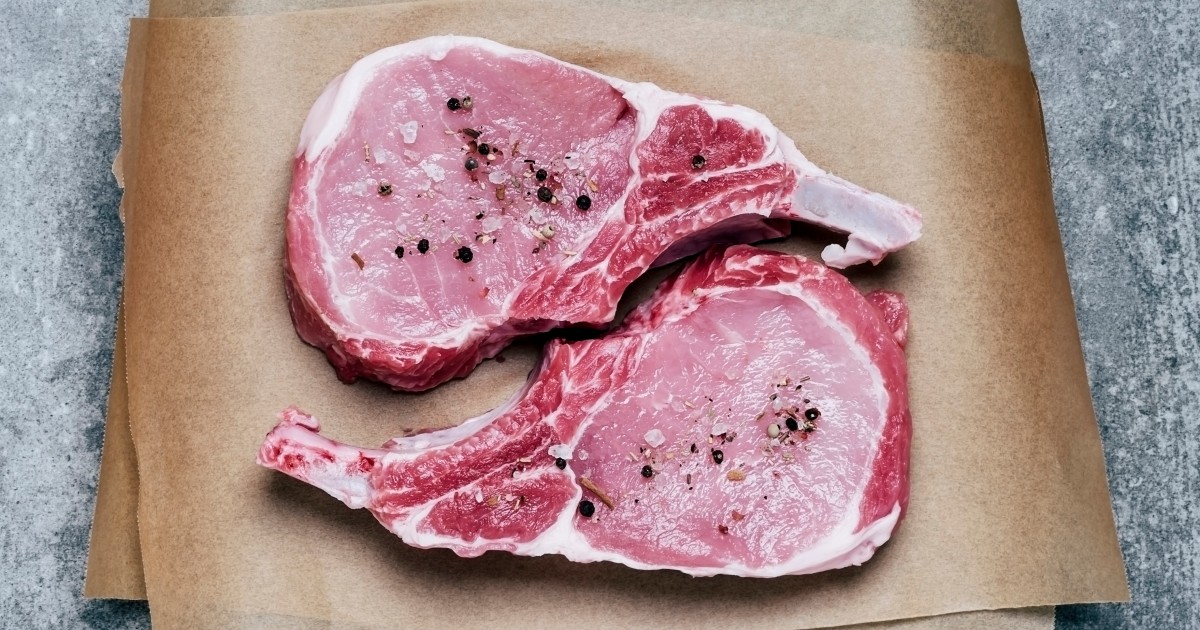
Pork
“Pork is the clear winner when it comes to the presence of thiamin found naturally in a food,” says Stefanski.
Three ounces of pork tenderloin provides 0.8 milligrams of thiamin, per the U.S. Department of Agriculture database. That’s 65% of the daily value in one serving.
Lean pork is considered one of the healthiest meats you can eat and an excellent source of high-quality protein. In addition to thiamin, pork provides vitamins B6, B7 (biotin), B12, zinc, and selenium, Stefanski adds.
Pork is also naturally rich in creatine, a substance that supports energy production and athletic performance.
Trout
Three ounces of cooked trout provides about 0.4 milligrams of thiamin, or 35% of the daily value.
This high-protein fish is also a good source of essential heart-healthy omega-3 fatty acids. Plus, trout will provide some vitamin D, which supports strong bones and immune function, TODAY.com reported previously.
Naturally low in mercury, trout is safe to eat regularly. It’s delicious fresh or smoked and canned.
Black Beans
If you’re looking for plant-based thiamin sources, legumes like black beans are your best bet, says Stefanski.
One half-cup of cooked black beans provides 0.4 milligrams of thiamin, or about 30% of the daily value.
Black beans are a nutrient-dense superfood. They’re one of the highest-fiber beans, packing 8 grams per serving to support gut health, keep you feeling full, and prevent constipation. You’ll also get a good dose of plant protein in each serving.
They’re rich magnesium, an electrolyte that supports muscle function, heart health, sleep, and more. Black beans also provide iron, calcium, and folate (B9), says Stefanski.
Mussels
A popular shellfish, mussels are a good source of thiamin and other B vitamins.
One serving of cooked blue mussels provides 0.3 milligrams of thiamin, or 25% of the daily value.
Mussels are packed with protein, low in calories and a good source of omega-3s to support a healthy brain and heart.
In addition to thiamin, mussels provide 100% of the daily value of vitamin B12, which helps with energy production and nervous system function, TODAY.com reported previously.
Mussels are also a great source of iron, zinc and vitamin B2. They’re delicious fresh and a healthy tinned seafood option.
Green Peas
Green peas are another healthy plant-based source of thiamin, says Stefanski.
One half-cup of boiled green peas provides just over 0.2 milligrams of thiamin, or about 18% of your daily value.
Peas may be tiny, but these legumes are packed with health-boosting nutrients. You’ll get nearly 9 grams of protein per serving, and a hefty dose of both soluble and insoluble fiber.
Peas also provide vitamin C, vitamin K and folate (B9), plus antioxidants that support eye health.
Brown Rice
In the whole-grain department, brown rice is the richest natural source of thiamin you can eat.
In one half-cup of long-grain, unenriched brown rice, you’ll find 0.2 milligram of thiamin, or 17% of the daily value.
Brown rice is a great source of carbohydrates, which fuel our bodies and brains. But it also has a decent amount of protein and fiber, which help slow digestion and stabilize blood sugar.
In addition to thiamin, brown rice is rich in other B vitamins, manganese and antioxidants.
Sunflower Seeds
“Seeds are also a good source of thiamin, with sunflower seeds being the best source,” says Stefanski.
One ounce (about 30 grams) of roasted sunflower seed kernels provides a little over 0.1 milligrams of thiamin or about 10% of the daily value.
“Seeds are a tiny powerhouse of minerals and vitamins,” Stefanski adds. In addition to thiamin, sunflower seeds also provide an incredibly high amount of vitamin E and a hefty dose of selenium, copper, zinc, and manganese.