You probably know you should drink more water, but that can be difficult if you consider the beverage boring. To break through the hydration doldrums, social media users are touting “stacked water,” loaded with fruits, electrolytes, and supplements.
TikTok videos tagged #stackedwater or #loadedwater offer numerous ideas. A recent “stacked water of the day” from @itsjeffreyshouse (who says he started the trend): dragonfruit pineapple stacked water, featuring frozen pink dragonfruit, fresh pineapple, lemon juice, and three supplement powders (collagen, creatine, and electrolytes), all topped with sparkling water.
Stacked water may make “hydration feel more interesting and productive,” says Vanessa Rissetto, RD, a registered dietitian and the cofounder of Culina Health.
“I get why it’s popular,” she says. “But at the end of the day, water doesn’t need a glow-up. Most people don’t need to turn it into a supplement cocktail to get the benefits.”
What Is Stacked Water?
Stacked water is endlessly customizable “water with benefits,” @itsjeffreyshouse says.
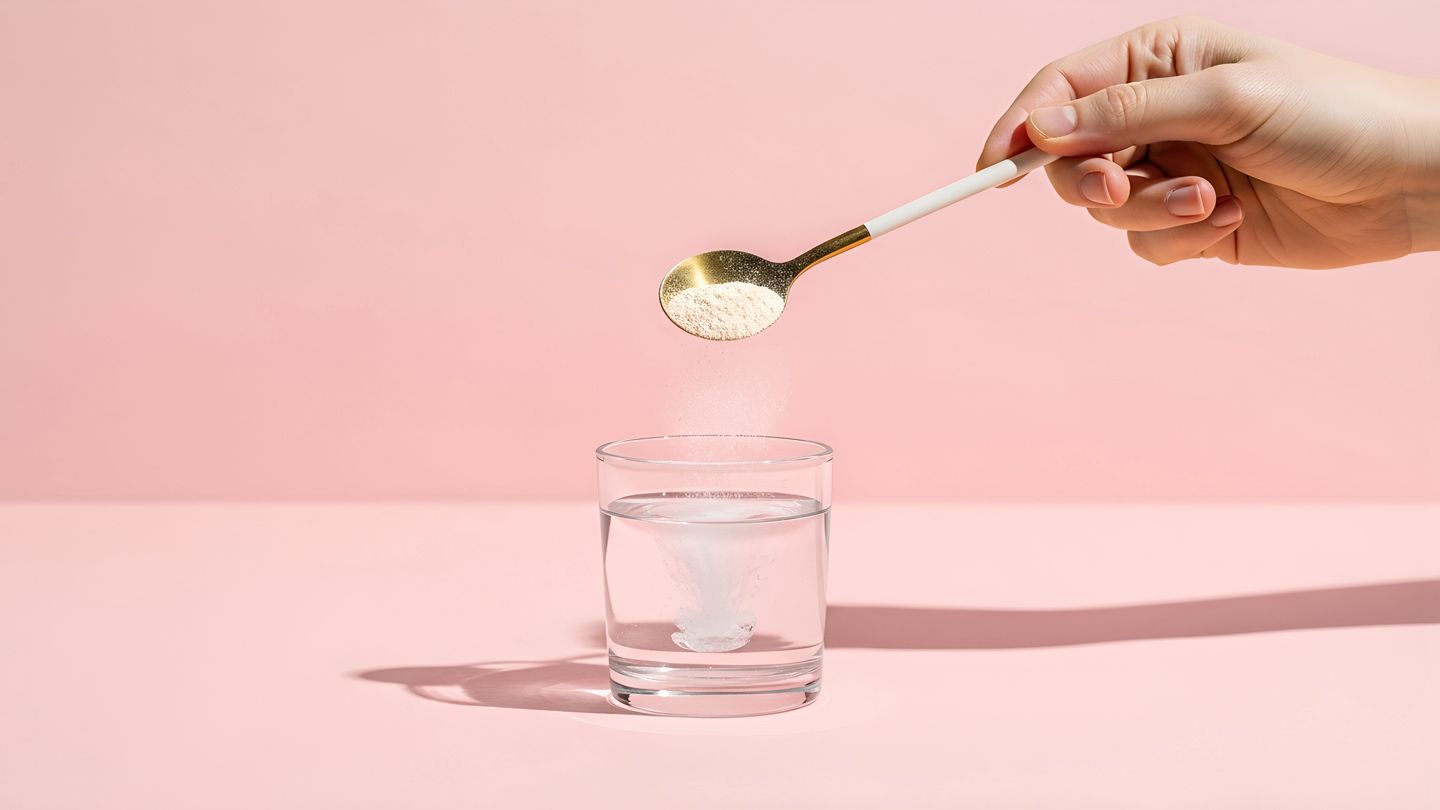
Social media users often start off making stacked water by mixing in fruit puree or juice for flavor. Next, they may zhuzh the water with various supplements, including:
Creatine, a type of amino acid (or protein building block) that may boost muscle strength and athletic performanceCollagen, a type of protein that may support skin and brain healthProbiotics, beneficial bacteria that may support gut healthElectrolytes, minerals that can support hydrationFiber, a nutrient that has numerous health benefits, including keeping you regularVitamin C, a vitamin and antioxidant that aids cellular health and immunity
Some stacked waters are crafted with a particular health goal in mind. One TikTok user, aesthetician @7cristinarenee, shared a recipe for “loaded skin water,” that included electrolytes, minerals, and antioxidants to “support your skin from within.”
Is Stacked Water Healthy?An important benefit of stacked water is that it can increase hydration, and most people don’t drink enough water.
[1]
The National Academy of Medicine recommends a daily water intake of 72 ounces (oz) (9 cups) for women and 104 oz (13 cups) for men.
[2]
“If adding flavor or a mix-in makes hydration feel easier or more enjoyable, that’s a win,” says the dietitian and food blogger Katharine Rosenthal, RDN. “Plain water can get boring for a lot of people.”
Stacked water, then, could help some people increase their water intake, she says.
But claims of extra benefits — like boosting metabolism — aren’t well-supported by evidence, says the dietitian Meaghan Ormsby, RDN, an intuitive eating and wellness travel expert at the Nutrition Travel Exchange.
Adding whole foods, like herbs, fruit, or coconut water, is typically harmless, as they are “more balanced, less processed, and more aligned with how we naturally get nutrients,” Ormsby says.
But supplements may not always yield the results you’re hoping for, Rissetto says. Instead, you may end up adding “a bunch of things you may not actually need.”
For instance, electrolyte powders typically contain sodium (salt) and other minerals. Rissetto says adding too many electrolytes when you’re not sweating heavily could lead to consuming excessive salt. It could also disrupt your body’s fluid balance, Ormsby adds.
Consuming large amounts of fiber (such as adding chia seeds or psyllium husk to your water) too quickly can cause gastrointestinal distress, Ormsby says. High doses of vitamin C can upset your stomach.
Some supplements can also interfere with the absorption or effectiveness of medications, Ormsby adds.
“The bigger issue is people layering multiple products without thinking about their total intake,” Rissetto says.
More isn’t always better, Rosenthal adds. “Supplements can have a place, but they’ll never outdo the basics: a balanced diet, quality sleep, movement, and taking care of your mental health.”
Is Stacked Water Worth the Money?
“Before spending money on supplements, zoom out,” Rosenthal says. “Your overall habits matter far more. You can’t out-supplement a lifestyle that’s missing the basics.”
Supplements can be pricey, and often don’t offer “meaningful added benefit” for most people, Ormsby says. “Hydration doesn’t need to be complicated or expensive to be effective.”
If you simply want to increase hydration, Rissetto says, “You don’t need a $40 tub of powder.”
She adds that issues with energy levels, digestion, or workout recovery aren’t “something you fix by putting things in your water bottle.”
Instead, you may need to check in with your doctor.
If you do want to try supplements, keep in mind that they’re not regulated by the U.S. Food and Drug Administration like medications are, Ormsby says. Also, be mindful of your total daily intake.
The Bottom Line on Stacked Water
If stacked water helps you drink more water and you’re being mindful about what you’re adding, Ormsby says she recommends it — especially if it features mint, fresh fruit, or cucumber.
But including supplements usually isn’t necessary and “definitely not a shortcut to better health,” Rissetto says.
“If anything, I’d keep it simple: water first, maybe add fruit or electrolytes when there’s a clear need, like after intense exercise,” she says. “Otherwise, you’re solving a problem that doesn’t really exist.”