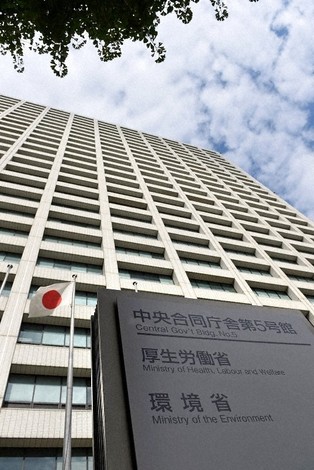
The Central Government Building No. 5 in Tokyo’s Chiyoda Ward that houses the Health, Labor and Welfare Ministry is seen in this file photo taken on Oct. 14, 2015. (Mainichi)
TOKYO — About 20% of supplement users in Japan consume amounts exceeding the daily intake recommended by manufacturers, according to a research team from Toho University and other institutions.
Among those who overconsume, about 60% were found to be taking nutrients above the tolerable upper intake level, which is considered the maximum amount unlikely to cause health risks.
The survey was conducted from November to December 2024, targeting 2,002 Japanese participants aged 18 and older with history data for purchasing dietary supplements. The results showed that 371 people, or 18.5%, were taking supplements beyond the recommended daily intake specified by manufacturers.
For certain nutrients, the Ministry of Health, Labor and Welfare has established tolerable upper intake amounts to help prevent health risks from excessive consumption. Among the 1,705 participants who used supplements containing such nutrients, further analysis found that 184 out of 297 people who overconsume, or 62%, took more than the tolerable upper intake level for at least one nutrient. In particular, over half of those with excessive intake levels surpassed the tolerable upper limits for magnesium, niacin and vitamin A.
The study also identified factors associated with a higher likelihood of excessive supplement use. These included being between the ages of 50 and 64, being employed either full time or part time, using tablet form supplements, continuing supplement use for six months or longer and intentionally taking more than the recommended amount.
While supplements offer a convenient way to obtain nutrients, excessive intake may harm health. The research team pointed out “the importance of providing clear information so users can correctly understand recommended amounts, as well as promoting better awareness in product selection and consumption behavior.”
The findings were published on March 19 in the international academic journal Interactive Journal of Medical Research.
(Japanese original by Toshiyasu Kawachi, Lifestyle, Science & Environment News Department)