A quiet but profound shift is reshaping the food and drink industry. As health‑conscious consumers eat less frequently and in smaller quantities, every bite is being asked to work harder — nutritionally, sensorially, and emotionally.
The rise of GLP‑1 receptor agonists such as Ozempic and Mounjaro has accelerated this trend, but it didn’t create it. Instead, it has amplified a broader behavioural pivot already underway: reduced appetite, more selective eating, and a growing expectation that even small portions must deliver meaningful nourishment and indulgent flavour.
Recent purchasing data underscores the shift. GLP‑1 use is associated with declines in calorie‑dense processed foods, including a 10.1% drop in savoury snack purchases. Combined with the long‑term snackification of meals and the dominance of on‑the‑go consumption, the result is a market where consumers are eating less — but demanding more from what they do eat.
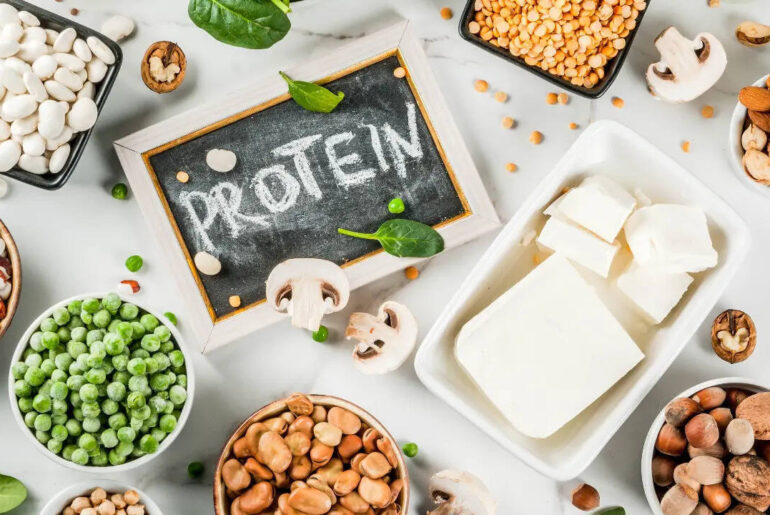
For manufacturers, this creates a formulation challenge that is as technical as it is strategic. Smaller portions must now carry higher levels of protein, fibre, and functional ingredients, yet still deliver the sensory satisfaction consumers expect from full‑sized products. As Daria Pashkova, marketing manager at Ohly, argues, “every bite needs to fill nutritional gaps and deliver an excellent sensory experience.”
Historically, satiety was linked to volume. Bigger portions signalled value, fullness, and indulgence. But as portion sizes shrink, the emphasis has shifted from quantity to quality — not just in nutrition, but in flavour, texture, and overall enjoyment. This is where the tension lies. Protein fortification can introduce bitterness or dryness. Fibre enrichment can create graininess or off‑notes. Reduced sodium targets can flatten flavour. Lower‑fat formulations often compromise mouthfeel.
Manufacturers are therefore being pushed to rethink how they build flavour and satisfaction into compact formats such as bars, snacks, ready meals, sauces, and chilled convenience foods. The sensory experience becomes disproportionately important when the eating occasion is small.
Pashkova points to yeast‑based ingredients as one of the most effective tools for solving this new formulation puzzle. Yeast extracts deliver umami depth, roundness, and savoury intensity — qualities that help smaller portions feel more indulgent and complete. They can enhance body and fatty mouthfeel perception in reduced‑fat products, mask off‑notes from protein or fibre, and support sodium reduction by amplifying savoury cues without added salt.
In other words, yeast‑based ingredients help manufacturers achieve the elusive balance between nutrient density and pleasure. They allow brands to meet health‑driven expectations without sacrificing the sensory cues that drive repeat purchase.
“The GLP‑1 effect should not be viewed as a passing pharmaceutical trend,” Pashkova says. “It’s accelerating a broader behavioural evolution: smaller portions, and greater selectivity about what is actually ‘worth it’.” As consumers become more intentional about every eating occasion, the pressure on manufacturers intensifies. Products must justify themselves — nutritionally, functionally, and sensorially — in fewer bites.
The winners in this new landscape will be those who can deliver compact, nutrient‑rich foods that still feel indulgent. For many, yeast extracts will be a critical part of that toolkit.