Something has shifted in how people think about their dogs.
Not just as pets. As family members. As companions whose health, happiness, and quality of life matter in ways that previous generations would have found excessive and the current generation finds completely normal.
That shift has consequences that run through the entire pet food industry. And one of the clearest expressions of it is a category most people outside the pet industry have never heard of.
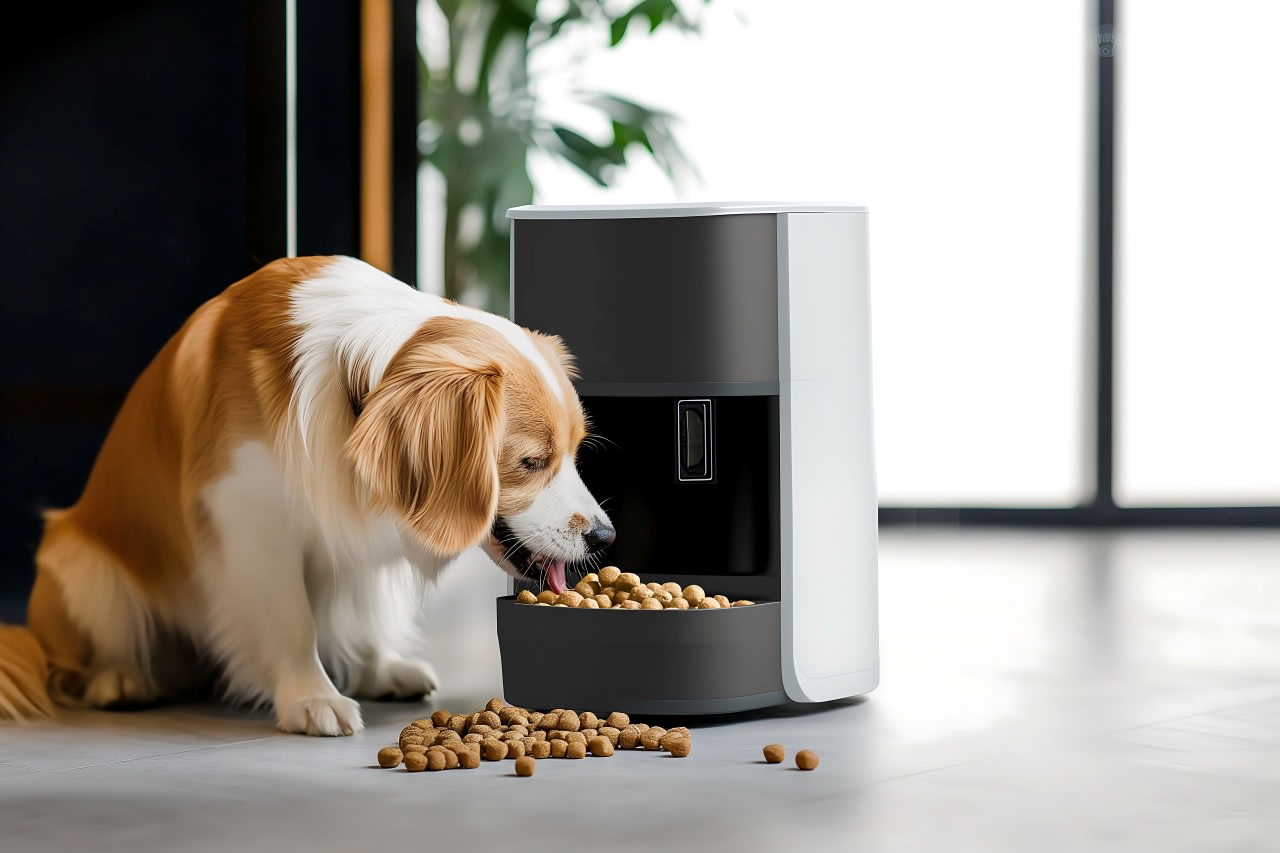
Dog food toppers are ingredients or products added on top of a dog’s regular kibble or wet food to enhance nutrition, flavor, palatability, or health outcomes. Think freeze-dried raw meat crumbles. Bone broth. Functional powders with probiotics or joint support compounds. Fresh whole food additions that turn a standard bowl of dry kibble into something that looks considerably more like a real meal.
According to Mordor Intelligence, the global dog food topper market size stands at USD 3.8 billion in 2025 and is forecast to expand to USD 7.06 billion by 2030 at a 13.2% CAGR. That is a fast-growing market by any measure. And understanding what is driving it says something interesting about where pet ownership culture is heading.
Why Dog Food Toppers Exist and Why People Buy Them
The dog food topper category exists because of a tension that a lot of dog owners feel but rarely articulate clearly.
Kibble is convenient. It is shelf stable, affordable, nutritionally complete in the formulations that carry that label, and easy to portion and store. Most dogs will eat it without complaint. Most vets consider quality kibble a perfectly adequate diet for most dogs.
But kibble does not look like food. It does not smell like food in the way that fresh or minimally processed ingredients do. And for dog owners who have become genuinely engaged with questions about canine nutrition, ingredient quality, and the relationship between diet and long-term health, a bowl of dry pellets feels like it is missing something.
Toppers fill that gap. They add visible whole food ingredients. They add smells that stimulate appetite in dogs who have become bored or reluctant eaters. They add specific functional compounds targeting joint health, digestive health, skin and coat condition, or immune support. And they give the owner a tangible way to feel like they are doing something meaningful for their dog’s health and enjoyment every single day.
That last point matters commercially. The purchase motivation is partly about the dog and partly about the owner’s relationship with the dog. Both are legitimate, and both drive consistent repeat purchasing behavior.
Freeze-Dried Formats and Why They Have Won
If you walk into a premium pet store today and look at the topper section, freeze-dried products are everywhere. There is a reason for that.
Freeze-drying removes moisture from raw ingredients through a process that preserves nutritional integrity, flavor, and smell far better than conventional drying or cooking methods. The result is a product that reconstitutes quickly, stores without refrigeration, and delivers a genuinely meat-forward aroma and flavor profile that dogs respond to strongly.
For the owner, freeze-dried means clean label. The ingredient list is typically short and recognizable. Chicken. Beef liver. Salmon. Maybe a few vegetables. No synthetic preservatives because the freeze-drying process itself is the preservation mechanism. That ingredient simplicity is exactly what clean-label conscious pet owners are looking for.
Freeze-dried toppers also photograph well. That matters more than it might seem. Pet food marketing has moved substantially onto social media platforms, where visual content drives discovery. A bowl of kibble with a visible scatter of freeze-dried meat pieces and colorful vegetable bits is a more compelling image than the same bowl of plain kibble. That visual appeal drives trial in a channel where first impressions happen in seconds.
Functional Nutrition Is Expanding What Toppers Can Do
The early topper market was mostly about palatability. Making food more appealing to picky eaters or adding perceived freshness to a kibble-based diet.
That has changed. Functional nutrition has become a major driver of innovation and purchasing in the category.
Toppers now routinely incorporate specific compounds targeting identifiable health outcomes. Glucosamine and chondroitin for joint support in aging dogs. Probiotics and digestive enzymes for gut health. Omega-3 fatty acids from fish oil or algae sources for skin, coat, and inflammatory support. Adaptogens and calming botanicals for anxiety-prone dogs. Antioxidant-rich whole foods targeting cellular health and longevity.
This functional expansion has done two things commercially. It has brought veterinarians and pet nutritionists into the conversation in ways that pure palatability products could not. And it has justified higher price points by giving buyers a specific health rationale for the purchase rather than a vague sense that more natural is better.
The dog owner spending significantly more per month on a joint support topper for their aging Labrador is making a health decision backed by clinical logic. That is a different and more durable purchase motivation than simple indulgence.
How Digital Commerce Has Changed the Market
The dog food topper category has been shaped by digital commerce in ways that most traditional pet food categories have not experienced to the same degree.
Direct-to-consumer brands built entirely around online distribution have been able to reach dog owners across geographic markets without the retail shelf space that traditional pet food distribution requires. They can tell longer, more detailed stories about their ingredients and sourcing. They can offer subscription models that create predictable revenue and reduce churn. They can gather customer feedback at a speed and specificity that traditional retail data cannot match.
Subscription formats have been particularly effective. A dog owner who subscribes to a monthly topper delivery has made a commitment that is meaningfully different from an occasional retail purchase. The subscription creates a habit, builds a brand relationship, and provides the brand with data about consumption patterns that inform product development.
Clean-label preferences have benefited online-native brands disproportionately because their direct communication channels allow them to explain and substantiate ingredient choices in depth. A brand that can tell the complete story of where its protein sources come from, how they are processed, and why specific ingredients were chosen is better positioned online than in a physical retail environment where that level of communication is impossible.
Where the Market Is Growing
North America holds the largest share of the global dog food topper market, built on a pet humanization culture that is deeply established and continuing to intensify. American dog owners spend more per pet than almost any other market, and the topper category captures a growing share of that spending as awareness and availability have expanded.
Asia-Pacific is the fastest-growing region. Rising disposable incomes across markets, including China, South Korea, Japan, and Australia, are supporting the expansion of a premium pet ownership culture. The humanization of pets that drove the North American market forward over the past two decades is following a similar trajectory in Asia-Pacific, with the acceleration that comes from compressed adoption timelines and digital-first discovery.
Investors have been financing capacity expansions across the supply chain in response to this geographic growth, funding new freeze-drying facilities, diversifying protein sourcing across multiple animal and plant-based options, and shortening lead times to support the subscription and direct-to-consumer models that the market increasingly runs on.
Frequently Asked Questions
What is the dog food topper market size in 2025? The global dog food topper market stands at USD 3.8 billion in 2025, according to Mordor Intelligence.
How fast is the dog food topper market growing? The market is forecast to expand to USD 7.06 billion by 2030, reflecting a 13.2% CAGR through the forecast period.
What is a dog food topper? A dog food topper is a product added on top of a dog’s regular food to enhance nutrition, flavor, palatability, or specific health outcomes. Common formats include freeze-dried raw meat, bone broth, functional powders, and whole food additions.
Why are freeze-dried dog food toppers popular? Freeze-drying preserves nutritional integrity and flavor better than conventional processing, produces a short recognizable ingredient list that appeals to clean-label conscious owners, stores without refrigeration, and delivers a strong aroma and flavor that dogs respond to consistently.
Which region leads the dog food topper market? North America leads in revenue, driven by an established pet humanization culture and high per-pet spending. Asia-Pacific is the fastest-growing region, driven by rising disposable incomes and expanding companion animal ownership.
My Closing Thought On This
The dog food topper market is ultimately a story about a relationship.
People love their dogs in a way that is specific and intense and not entirely rational from a strictly economic perspective. They want to express that love in tangible daily actions. Feeding well is one of the most direct expressions available. And a category that gives dog owners a way to do something visibly good for their dog every single day at a relatively accessible price point has found a very receptive audience.
With the market heading toward USD 7.06 billion by 2030, that relationship shows no sign of becoming less important to the people at the center of it.
If anything, it is going the other way.