Under the bill, all civil and criminal cases, complaints, or legal proceedings filed against participants for their involvement in the uprising will be withdrawn following prescribed procedures.
UNB
08 April, 2026, 06:45 pm
Last modified: 08 April, 2026, 07:00 pm
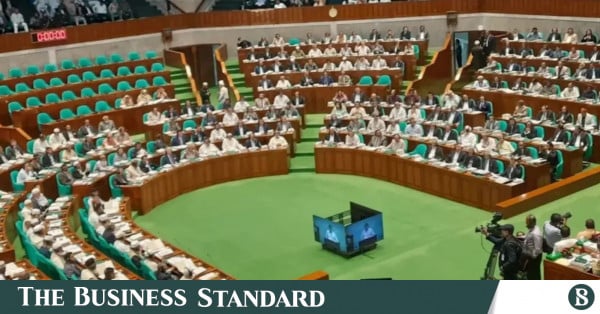
13th National Parliament. File Photo: UNB
“>
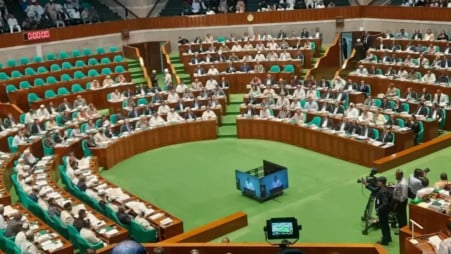
13th National Parliament. File Photo: UNB
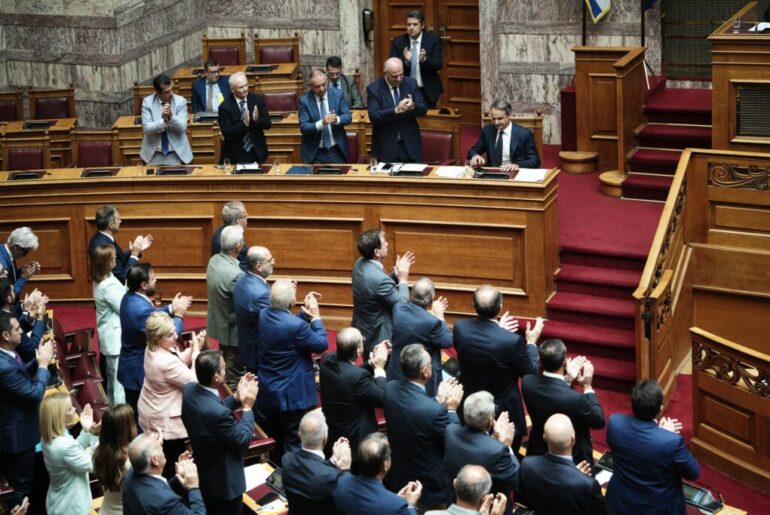
Parliament today (8 April) ratified an ordinance promulgated by the immediate past interim government granting legal immunity to participants of the 2024 July Uprising.
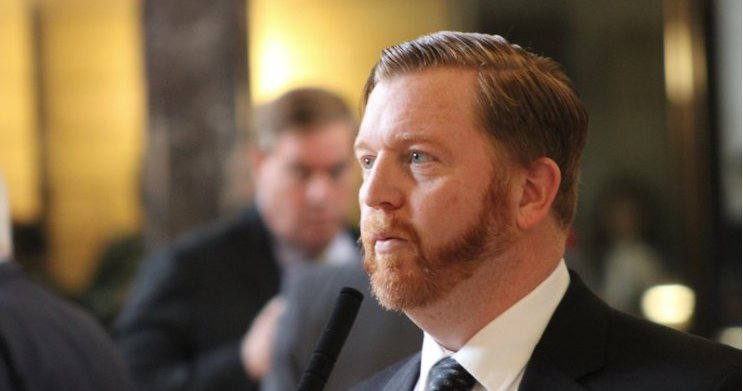
The House passed the July Mass Uprising (Protection and Liability Determination) Bill, 2026 by voice vote, amid strong objections from National Citizen Party (NCP) MP Hasnat Abdullah after it was placed by Home Minister Salahuddin Ahmed.
The legislation provides a comprehensive legal shield for those who participated in the July uprising.

Keep updated, follow The Business Standard’s Google news channel
Under the bill, all civil and criminal cases, complaints, or legal proceedings filed against participants for their involvement in the uprising will be withdrawn following prescribed procedures.
Furthermore, the filing of any new cases or complaints against participants is now legally prohibited.
Public prosecutors or government-appointed lawyers will apply to the courts for the dismissal of any case based on a participant’s certification. Upon such application, courts must immediately cease proceedings and discharge or acquit the accused.
If a participant is accused of committing murder during the uprising, the case will be referred to the National Human Rights Commission (NHRC) for investigation.
If the NHRC finds that the act was part of political resistance, it may order the government to compensate the affected families.
However, if the act is deemed a criminal abuse of a chaotic situation, the commission will submit a report to the court for trial.
Hasnat Abdullah raised a point of order, opposing the bill’s passage until the National Human Rights Commission Bill is settled.
He accused the current administration of the naked politicisation of state institutions.
“The Bangladesh Cricket Board is no longer the BCB; it has turned into the Baper Doa (Father’s Blessing) Cricket Board,” he said, criticising the formation of the ad hoc committee that dissolved the elected board of directors.
Hasnat Abdullah further alleged that the central bank and universities have been occupied for partisan interests and expressed scepticism over the NHRC’s neutrality as long as it remains under the Ministry of Home Affairs.
In response, Home Minister Salahuddin Ahmed dismissed the criticisms, describing the bill as a national demand and a fulfilment of the July National Charter.
Addressing the BCB issue, he clarified that the previous board—formed during the interim government—had influenced district committees and clubs through executive power.
Salahuddin noted that a probe committee found significant irregularities, leading to the board’s dissolution.
He said that an ad hoc board has been formed, with the country’s cricketer Tamim Iqbal as its head, and that this committee will hold elections within three months.
Regarding the National Human Rights Commission, the minister said the government will soon introduce a new bill to establish an international-standard, autonomous commission aligned with the International Crimes Tribunal (ICT) Act and disappearance laws.
He concluded by questioning who had occupied Bangladesh Bank and universities during the interim period, suggesting that those actions contributed to the current economic distress.