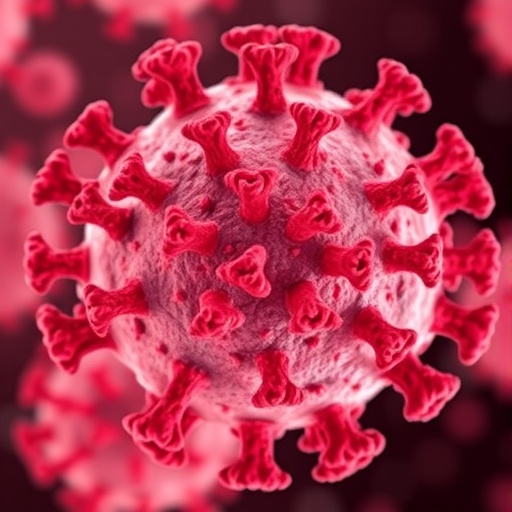
A groundbreaking discovery led by researchers at University College London (UCL) promises to transform the landscape of cancer immunotherapy by unveiling a novel mechanism to expose cancer cells to the immune system. This innovative approach centers on manipulating a fundamental cellular quality-control process known as Nonsense-Mediated mRNA Decay (NMD), revealing an unexpected vulnerability of tumor cells that could pave the way for more effective and widely applicable treatments across a spectrum of malignancies.
NMD serves a critical role within cells by scanning RNA transcripts for errors termed “nonsense mutations”—premature stop codons or frameshifts that would produce truncated, malfunctioning proteins potentially harmful to cellular integrity. By swiftly degrading these aberrant messenger RNAs (mRNAs), NMD maintains protein quality control and safeguards normal cellular functions. However, recent research overturns the conventional view of NMD as solely a protective mechanism, showing that it also plays a stealthy role in shielding cancer cells from immune detection.
Cancer immunotherapies revolutionize oncological care by harnessing the body’s natural defense system to recognize and eradicate malignant cells. Central to this immune recognition are antigens displayed on the surface of tumor cells—molecular flags that signal abnormalities. Yet, many cancers remain invisibly cloaked due to insufficient antigen presentation, resulting in immune evasion and unchecked tumor growth. The UCL team’s insight reveals that active NMD contributes to this invisibility by eliminating faulty RNAs before they can generate abnormal proteins that might serve as new antigens.
The study led by Dr. Roberto Vendramin at the UCL Cancer Institute demonstrates that pharmacological inhibition of the NMD pathway prevents the clearance of defective RNA transcripts in cancer cells. As a consequence, these retained erroneous RNAs are translated into aberrant proteins which are subsequently processed into peptide fragments. These peptides, once presented on the cell surface by major histocompatibility complex (MHC) molecules, substantially enrich the antigenic landscape of tumor cells, thereby amplifying immune recognition and response.
Previous models had underestimated the immunological potential harbored within cancer cells’ faulty RNA repertoire. Despite the inherent generation of defective transcripts, their rapid degradation restricted the formation of neoantigens. By strategically blocking NMD, cancer cells inadvertently increase their antigenic expression, converting a previously hidden molecular signature into a powerful beacon attracting immune surveillance. This unveils a compelling strategy to enhance immunogenicity, especially in tumors with low mutational burdens that commonly evade immune targeting.
Dr. Vendramin emphasized the clinical implications of this discovery, highlighting that current immunotherapies fail in a significant subset of patients because their tumors lack sufficiently visible antigens. “Our findings suggest that by preserving faulty RNA and its resultant abnormal proteins, we can artificially increase the antigenic visibility of tumor cells, thereby improving the efficacy of immune checkpoint inhibitors and other immunotherapeutic modalities,” he noted. This approach could revolutionize treatment for cancers traditionally considered ‘cold’ or immunologically inert.
Importantly, the NMD inhibition strategy is not restricted to a narrow range of cancers. The universality of defective RNA production across diverse tumor types posits this mechanism as a pan-cancer therapeutic target. This universality addresses a critical unmet need, particularly for cancers with inherently low DNA mutation rates, such as certain breast, colorectal, and kidney cancers, which have historically responded poorly to immunotherapies due to their low neoantigen load.
The research also hints at potential synergies between NMD inhibition and existing immunotherapies. By co-administering NMD pathway inhibitors with immune checkpoint blockade drugs, it may be possible to convert immune-resistant tumors into immunologically responsive ones. This tandem approach could amplify immune-mediated tumor clearance, intensify response rates, and ultimately yield more durable remissions across a broader patient demographic.
While these findings are poised to herald a new era of cancer treatment, the development of clinically viable NMD inhibitors remains in the early stages. Nonetheless, the research community’s interest is rapidly growing, fueled by the identification of druggable targets within the NMD machinery. Optimism remains high that early-phase clinical trials incorporating NMD blockade will launch within the next five years, driving this novel therapeutic strategy from bench to bedside.
The implications of this study extend beyond cancer treatment to a deeper understanding of tumor immunobiology. By redefining the interplay between mRNA surveillance pathways and immune visibility, it opens new research avenues into how cancers evolve mechanisms to evade immune destruction. Furthermore, it challenges existing paradigms and underscores the pivotal role of post-transcriptional regulation in modulating tumor-host interactions.
In conclusion, the UCL-led investigation into NMD inhibition represents a landmark advancement in cancer immunotherapy. By turning a protective cellular process into a means of immune empowerment, it offers hope for overcoming tumor immune evasion and expanding the benefits of immunotherapy to millions of patients worldwide. As drug development accelerates and clinical trials emerge, the oncology community eagerly anticipates translating this promising science into tangible patient outcomes.
Subject of Research: Nonsense-Mediated mRNA Decay (NMD) inhibition to enhance antigen presentation and improve cancer immunotherapy efficacy.
Article Title: Nonsense-mediated mRNA decay inhibition reshapes the cancer immunopeptidome
News Publication Date: April 8, 2026
Web References:
DOI link to the study
References:
Roberto Vendramin et al, ‘Nonsense-mediated mRNA decay inhibition reshapes the cancer immunopeptidome’, Immunity, April 2026, DOI: 10.1016/j.immuni.2026.02.005.
Keywords: Cancer Immunotherapy, Nonsense-Mediated mRNA Decay, NMD Inhibition, Neoantigens, Tumor Immune Evasion, Antigen Presentation, RNA Quality Control, Immune Checkpoint Blockade, Tumor Immunogenicity, Cancer Treatment Innovation
Tags: cancer immunotherapy innovationscellular quality control mechanisms in oncologyenhancing tumor antigen presentationimmune system recognition of cancer cellsimproving immune response against malignanciesmanipulating mRNA decay pathwaysnonsense-mediated mRNA decay in cancernovel cancer treatment strategiesovercoming immune evasion in tumorstargeting RNA surveillance in cancer therapytumor cell vulnerability to immune detectionUniversity College London cancer research