So long, cocktails; hello, electrolyte drinks. Are group health events becoming the city’s preferred way to gather after dark?
Get a compelling long read and must-have lifestyle tips in your inbox every Sunday morning — great with coffee!
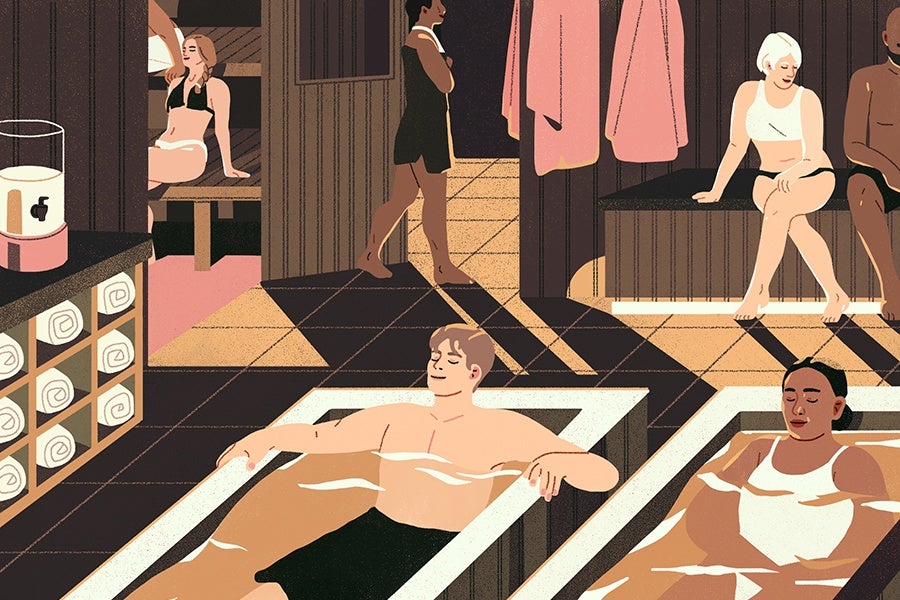
Illustration by Jeannie Phan
For years, wellness was a solitary pursuit—early-morning workouts, solo spa appointments, quiet meditation apps. Now, a more collective approach is taking hold, reframing self-care as something to be shared. From candlelit sound baths to evening spa takeovers to communal ice baths, group wellness experiences are emerging as a new way to socialize—one rooted in restoration rather than reservations.
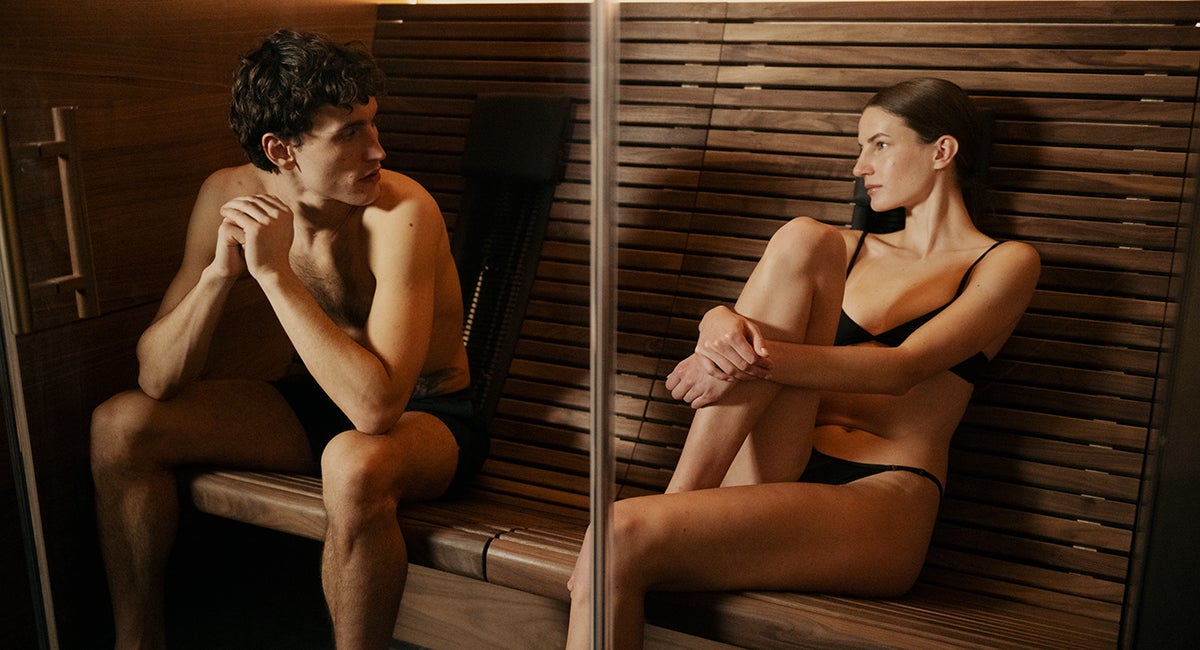
At the forefront locally is Spa After Dark, a new monthly series at the Spa at Mandarin Oriental, Boston. Held on the third Wednesday of each month, the hotel opens the spa after hours for a guided contrast-therapy experience designed to be both social and deeply restorative. Guests rotate between the sauna, vitality pool, and cold-water immersion under the direction of a trained professional, who enhances the sauna ritual with essential oils poured over hot stones, creating waves of aromatic heat.
Spa director Heather Hannig says the concept grew from her own love of thermaculture—the ancient practice of alternating heat and cold for physical renewal. When she started working at the property last year, she realized that the spa’s private suite, sauna, and soaking pools made it possible to translate that ritual into a shared, guided activity. The goal was to create something experiential rather than transactional: guests in swimsuits moving through multiple rounds of heat and cold, then lingering in lounge spaces to rehydrate and connect.
The shift to a more social experience—complete with nonalcoholic beverages, electrolyte-rich drinks, and food designed to support the body—was intentional. “As opposed to a dinner out or a bar experience, we were seeing that there’s an appetite for more group experiences that are wellness-focused, where people can socialize in this setting,” says Danielle McNally, director of marketing and communications for Mandarin Oriental, Boston.
Courtesy Remedy Place Boston
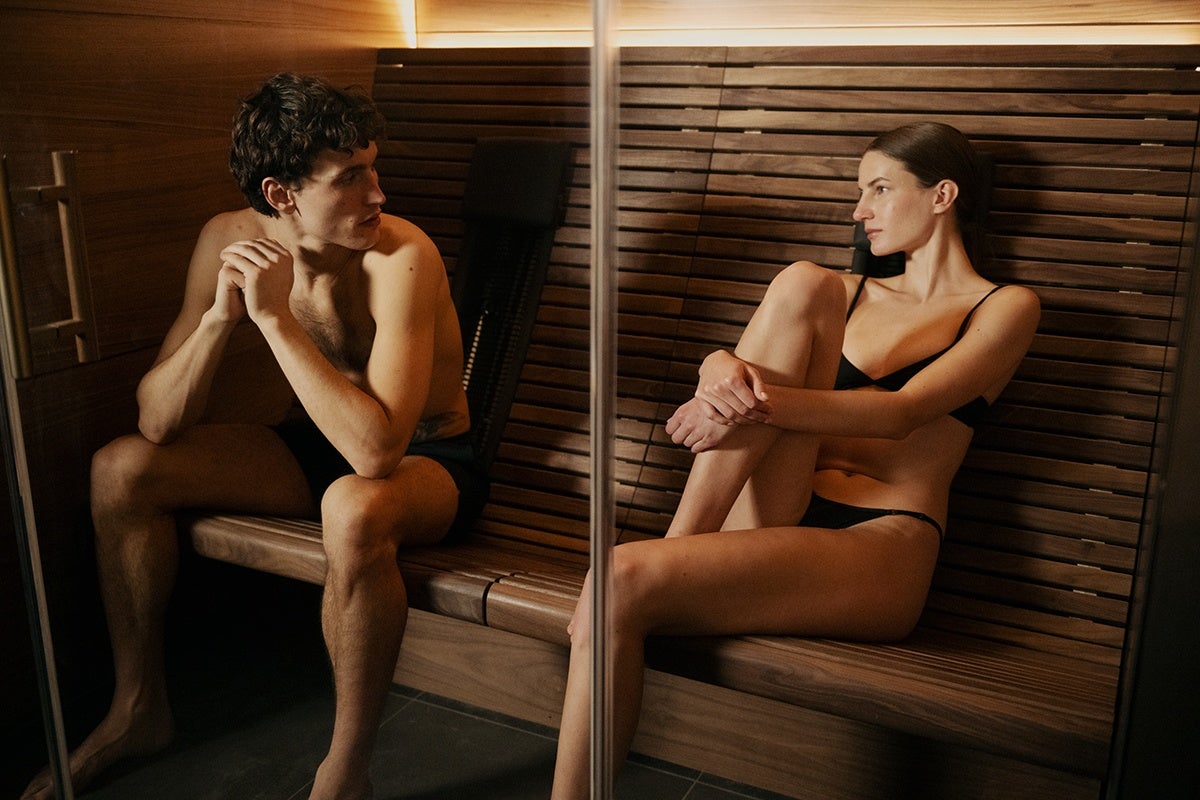
This desire for collective wellness extends beyond hotel spas. At Remedy Place Boston, guests gather for communal ice baths, sauna sessions, and breathwork in a sleek, club-like environment that prioritizes recovery and connection. Release Well-Being Center in Westborough similarly taps into the power of group energy through workshops featuring sound baths, singing bowls, and guided practices aimed at nervous-system regulation. After all, these days, social currency isn’t about cocktails—it’s about how good you feel the next morning.
This article was first published in the print edition of the March 2026 issue with the headline: “The New Happy Hour.”
Related: Is Wellness Culture Ruining Social Fun?