Galloway, N.J. — Anthony Dissen, assistant professor of Health Science at Stockton, was speaking to a group of nutrition and dietetics graduate students
in Michigan about LGBTQIA+ health disparities when something clicked.
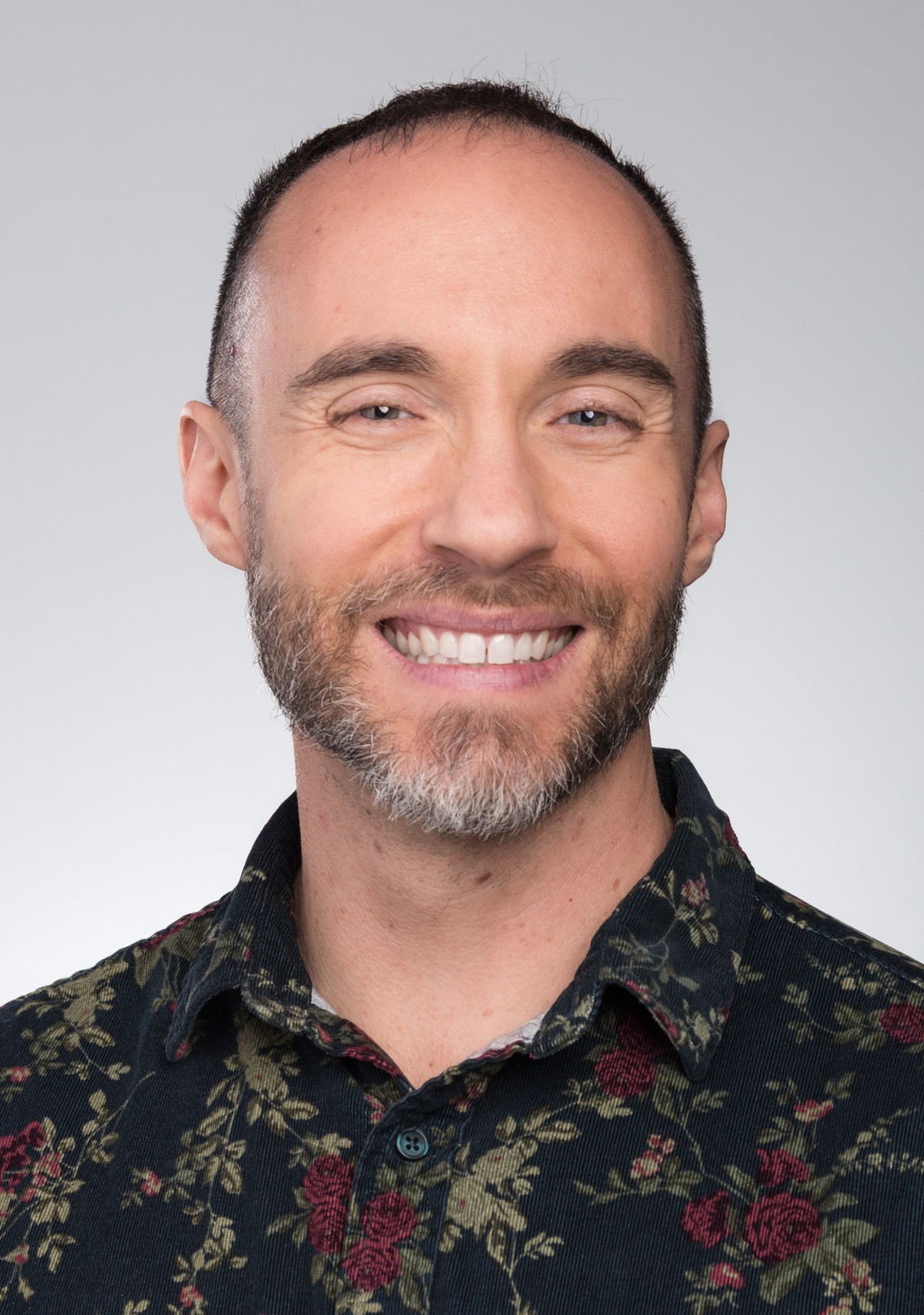 Anthony Dissen
“One of the students asked where they could learn more about the subject,” Dissen
said. “At the time, there wasn’t a single resource that brought all of this information
together—only a growing body of research and journal articles.”
That moment sparked the idea for what would become Nutritional Needs and Well-Being for the LGBTQIA+ Community, a newly published, first-of-its-kind textbook.
“I realized that there was a great need to put all this information together in a
sensible, practical way that could be used to help educate and support nutrition and
dietetics students and professionals,” he added.
In the following interview, Dissen discusses why this publication is unique, what
he hopes students and health care practitioners take from it and some surprising insights
discovered during research.
This is described as the first textbook of its kind. What makes this work different
from existing resources?
Most resources on LGBTQIA+ health skim over nutrition or mention it very briefly.
Perhaps a few sentences or paragraphs on eating disorders or food insecurity, but
that is about it. And often when the subject of “nutrition needs for LGBTQIA+ people”
comes up, the typical response is one of confusion and disbelief that one’s sexual
orientation, gender identity, and gender expression could possibly impact their nutrition
needs.
What this text does is bring the conversation about how our food and nutrition needs,
as well as our eating behaviors, are heavily influenced by our sexuality and our gender
identity. Both in ensuring that nutrition and dietetics professionals are learning
the cultural competence and cultural humility needed to work with the LGBTQIA+ community,
and in being able to discuss these needs with great confidence.
For example, the ways that calorie and protein needs change when someone begins gender-affirming
care, or specific considerations when someone begins taking PrEP medications to prevent
HIV infection. There is so much to consider and discuss, but rarely do these conversations
happen. The goal of this textbook is to be the first tool solely dedicated to this
subject area.
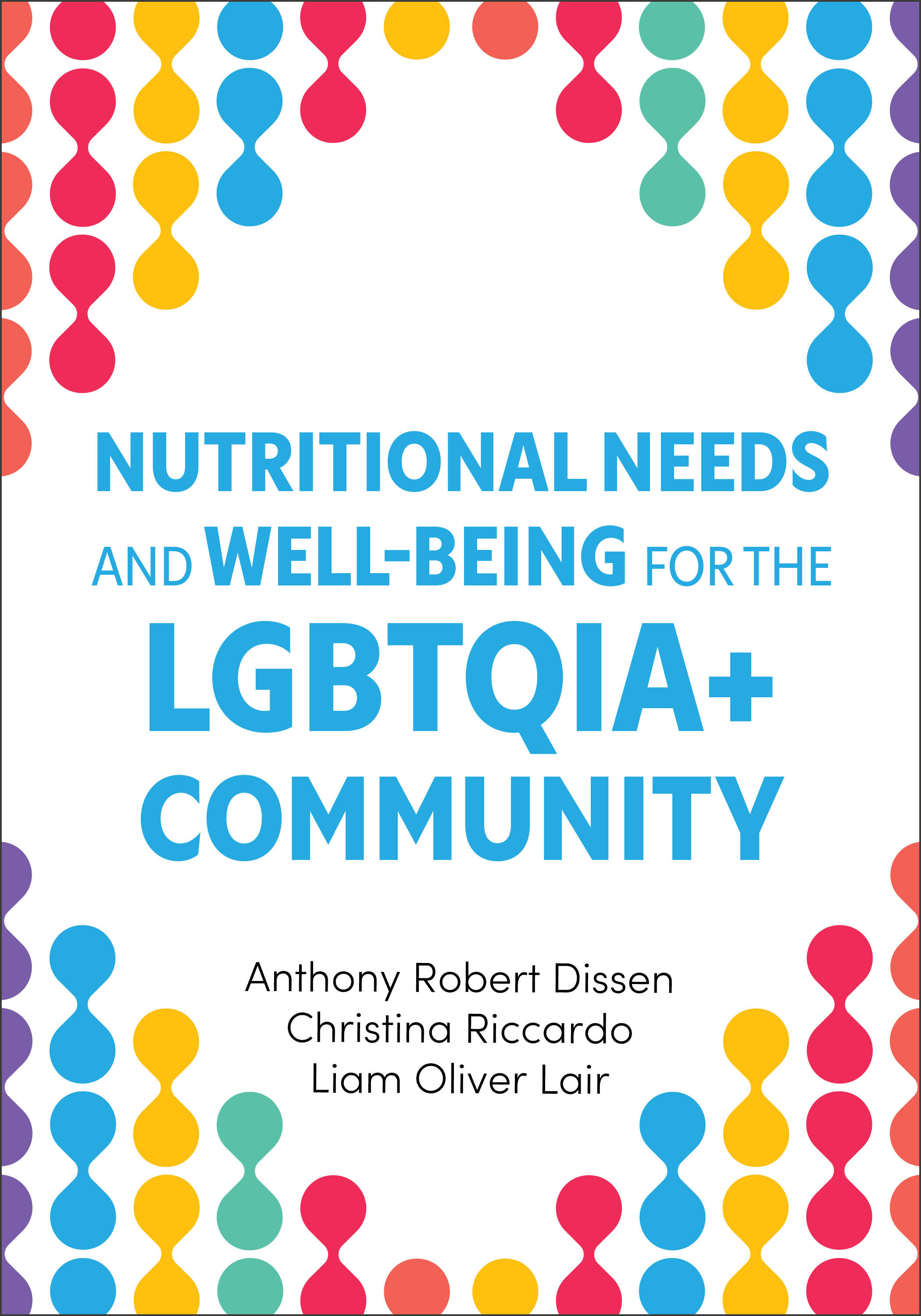 Dissen’s newly published textbook, “Nutritional Needs and Well-Being for the LGBTQIA+
Community.”
Were there any surprising findings or insights that emerged as you were developing
the book?
One thing my co-authors and I continued to find over and over is just how much the
health care community, both in terms of clinical care as well as public health interventions,
is uncertain about how to properly work with the LGBTQIA+ community.
Time after time, we found research showing that these professionals have a desire
to work with the community in an affirming and positive way, but they routinely stated
that they did not have the confidence, knowledge, or professional skill set needed
to do so properly.
Despite growing awareness of health disparities that impact the LGBTQIA+ community,
professionals working in the health and medical fields still do not feel that they
are adequately educated, trained or prepared to do so effectively.
Who is this textbook intended for, and how do you hope it will be used in academic
or professional settings?
This textbook is intended for current students and practicing health care professionals
who engage with the LGBTQIA+ community. While the primary focus is on nutrition and
dietetic students and professionals, anyone working with the queer community in a
health-related way would benefit from this book.
There will always be opportunities to screen for signs of food insecurity, to check
for potential indicators of a disordered approach to food and eating, and there will
always be a need to reinforce healthy lifestyle habits and dietary practices. It is
our hope that both undergraduate and graduate programs at colleges and universities
will find benefit in using this textbook in their courses.
Additionally, we hope this text will be adopted by groups and organizations that provide
continuing education for health care professionals, as it contains rich and important
information for practicing professionals as well.
How does this connect to your teaching or research at Stockton?
Because I have the great honor to be a faculty member in our B.S. in Health Science
program, as well as offer classes in our B.S. in Public Health and Master of Public
Health programs, I have the amazing opportunity to work with students planning on
going into the clinical care field as well as the public health field. And in all
my courses, I speak about the social determinants of health, health care disparities,
and the skills that health care professionals need to be effective, compassionate,
and evidence-based providers of care and intervention.
The research and scholarship I do as a faculty member in the School of Health Sciences
are solely focused on LGBTQIA+ health, both in training and educating health care
professionals and in identifying gaps in care and worsening disparities that often
go ignored.
So, this textbook is a perfect marriage of my work, both in terms of education and
scholarship, and the ability to share the findings and information in this text with
my students here is truly incredible.
Too often, queer identity continues to be immediately associated with pathology —
HIV, AIDS, etc. — and that limits how we talk about health and well-being.
Anthony Dissen
Why is it important for future health professionals to understand the unique nutritional
needs of this community?
Food and nutrition habits, as well as access to healthy food options, are among the
most important lifestyle factors for chronic disease prevention and management. Anytime
a health care professional can help a patient, client, or community access better-quality
food and engage in healthier dietary habits, they are doing incredibly important work,
helping these individuals live healthier, longer, and more disease-free lives.
The risk of so many chronic illnesses can be significantly reduced through better
dietary habits and greater access to healthier food options. So, the more we can work
together to ensure the nutritional well-being of the LGBTQIA+ community, the more
we can address and reduce the disparities that continue to impact this community to
this very day.
What impact do you hope this book will have, both in the classroom and more broadly
in health care conversations?
My co-authors and I hope this will spark a conversation about building a more holistic,
complete picture of the health of LGBTQIA+ people. Too often, queer identity continues
to be immediately associated with pathology – HIV, AIDS, etc. And so, health care
conversations tend to become myopic, focusing only on a few small dimensions of their
wellbeing and lives.
Food is more than just disease prevention and management. Food and eating are acts
of community gathering, of identity affirmation, and of history and culture. By expanding
this conversation and bringing it more closely to the forefront of how health care
professionals engage with queer communities, not only can we support their physical
health and wellbeing, but we can also take a more salutogenic approach, talking about
food and nutrition as tools for social enrichment and the building of chosen family.
And what is more, talking about the health and well-being of a person from the perspective
of vitality and joy, and not only always focusing on disease and illness.
What’s something people might be surprised to learn about you or about the process
of writing this book?
What some people might be surprised about is how enthusiastic the response has been
from the field and from the publisher! Cognella has been a champion and an incredible
supporter from the moment I proposed this textbook to them almost two years ago, because
they recognized its unique content and realized this is a subject area that should
be discussed but remains almost unheard of in most environments. And when I have spoken
to my colleagues in the nutrition and dietetics field, there has been an almost unanimous
expression of excitement, along with the ongoing question: “So, when will it be ready
to buy?”
It has been incredibly exciting to see the anticipation and excitement around this
text, and we could not be happier!
Dissen has been part of Stockton’s Health Science community since 2014.
Reported by Mandee McCullough
Photos submitted