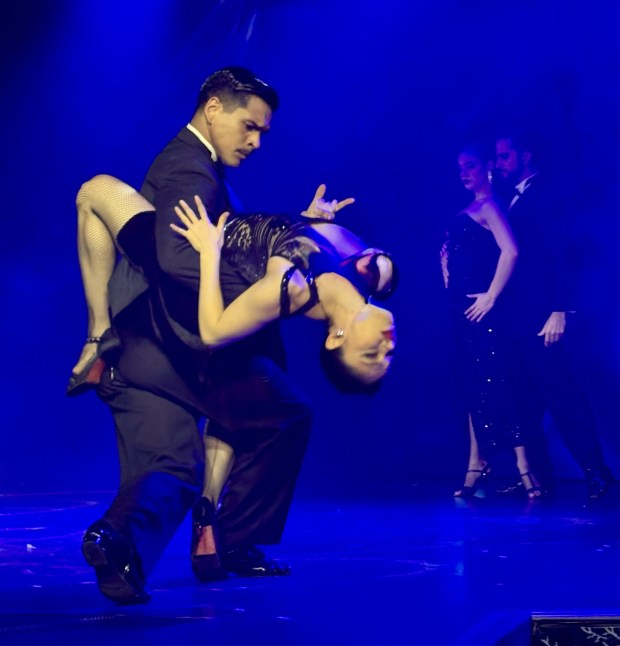
 A couple dances in an intense and dramatic embrace at El Viejo Almacen nightclub in Buenos Aires. Virginia Mason
Sitting near the front of the stage at a tango show in Buenos Aires, it’s thrilling and mesmerizing to watch the perfectly synchronized couples glide across the floor in close embrace.
It’s a high-class dance of elegance and passion, with rhythmic walking, intricate foot patterns, leg flicks and kicks, driven by the melancholy melodies of the accordion-like “bandoneon.”
The dancers’ ardent gaze, the dapper man, the woman’s elegant high slit dress and the choreographed flurry of spins, lifts and stops, concludes with a dramatic tango dip and gracefully arched backbend.
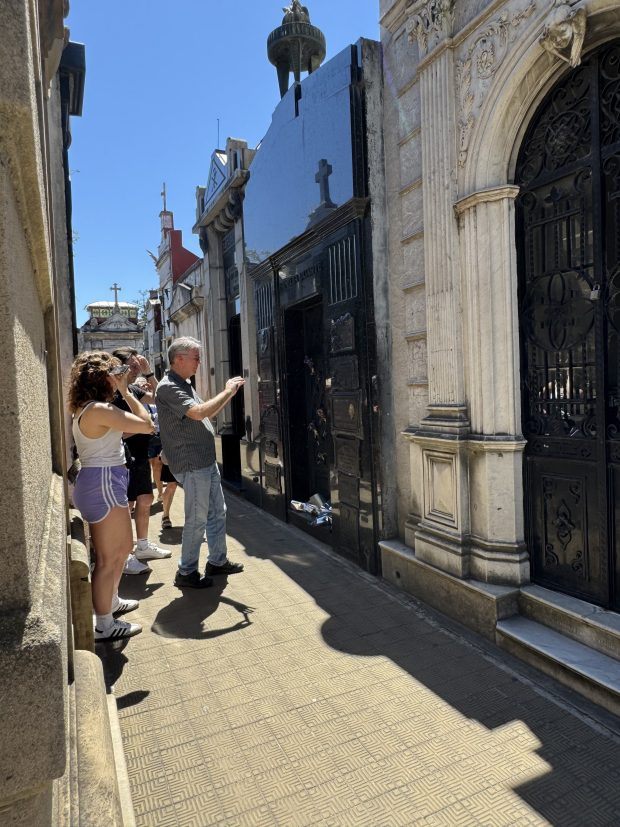 tourists outside of Evita‘s mausoleum in Buenos Aires. Virginia Mason
It’s been called the dance of sorrow, representing frustrated love, and poverty as well, stemming from its origins in the late 1800s in the crowded tenements and waterfront bars of Buenos Aires. But within a generation tango was embraced by Argentine high society, and more recently declared an intangible cultural heritage by UNESCO.
After some online research to find the best venue, I booked a dinner and tango show at El Viejo Almacen for me and my wife. Within days we were in Buenos Aires, and after a nap to counter the jetlag were ready for the show.
The dinner was fair, but the tango was fantastic, with as many as four couples performing simultaneously.
It was a homecoming of sorts for me, having lived in Buenos Aires for a couple years as a young boy in the late 1950s, early 1960s. I also returned a couple of decades later when my father, a petroleum geologist, worked for an Argentine oil company.
Argentina is synonymous with tango, but it’s also the proud reigning world soccer champion, and a land of gauchos, polo ponies, and fine leather goods. The cuisine is defined by steak, empanadas, sausage sandwiches and Malbec wine. Don’t forget the flan.
The vast undulating grasslands of the Pampas stretch over much of the country’s 2,300-mile-plus length, but it has glaciers and the highest peak in the Americas, Aconcagua at 22,841 feet.
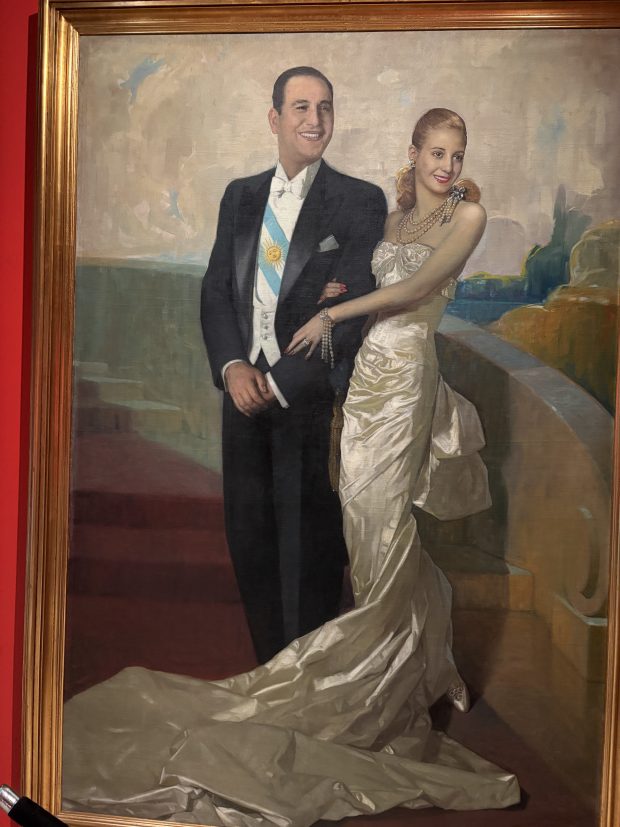 The first shows an oil painting completed in 1948 of President Juan Peron and First Lady Evita.
On the trip in February (the Argentine summer) we also travelled to another boyhood haunt, the town of San Carlos de Bariloche on the east side of the Andes. It draws comparisons to Switzerland for its bejeweled lakes and snow-capped peaks. One of my earliest memories was seeing President Dwight Eisenhower there on a golf course.
Sure enough, on a wall of the Llao Llao Hotel where I’d seen him, there was a framed photo of Ike there on his goodwill trip in early 1960. Known as “Operation Amigo,” it was intended to strengthen Latin American relations and counteract communist influence, particularly after the Cuban revolution.
Bariloche, which is both a summer resort area and winter ski destination, was much more touristy and developed compared to my last visit in the early 1980s. But the panoramic vistas over the mountain lakes were just as sublime as I remembered.
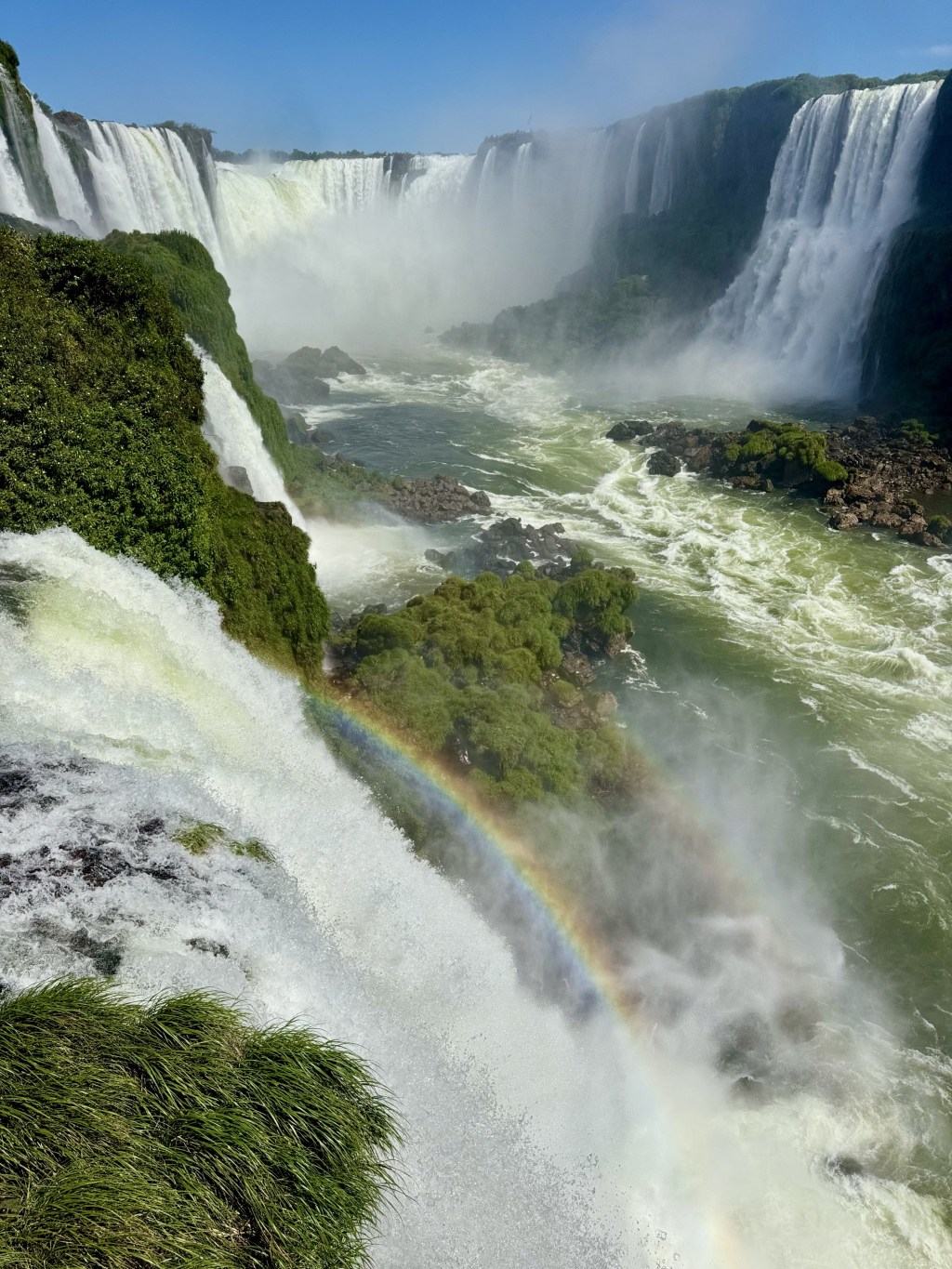
We also flew to the southernmost part of Argentina, to the country’s borders with Brazil and Paraguay, to one of nature’s most majestic wonders, the waterfalls at Iguazu. Higher and wider than Niagara Falls, Iguazu is a series of some 275 individual drops stretching over almost 2 miles with a massive, roaring chasm dubbed the Devil’s Throat.
We took a small train ride and walked jungle paths to an observation deck to look into the mighty Devil’s Throat, jostling for position with hundreds of other tourists. We also took a boat ride almost directly under the fearsome cascades and got drenched. It felt too close for comfort, and I heard later that more than one sightseeing boat had flipped in the past, but life vests kept people from drowning.
And on the Brazilian side, we went for an impromptu helicopter ride over the falls, lured by the cost of $130 per person for an aerial view of a lifetime. It felt like we did everything but go over the falls in a barrel.
Back in Buenos Aires, I very much wanted to return to my old house and the street where I lived in my youth, where I’d learned to ride a bicycle. I could still recite the exact suburban address in the singsong my parents had taught me, in case I ever got lost.
It’s said you can never go home again, and in this case the expression applied. I was disappointed. I found our old two-story house, but it was hidden by a tall spiked gate. Just down the street was another surprise — a manned guard shack.
Our driver said the reason for the extra security was there had been kidnappings in recent years. He said they had subsided, but people remain cautious, if not paranoid.
Argentina, once one of the richest countries in the world due to its beef and grain sales, has been through a lot of political turmoil, and on an economic rollercoaster since I left 65 years ago. There was another military coup, one of a half-dozen since 1930. There was a “dirty” war beginning in the late 1970s that led to the killing or disappearance of 30,000 of its own citizens. And there was a foolish war with Britain over control of the largely barren Falkland Islands, noted for their large populations of sheep and penguins (the “Penguin Capital of the World”).
Argentina lost the war, but one good outcome is that it led to the ouster of the military junta in 1983 and return to democratic rule. Still, the country hasn’t been spared from surreal inflation levels at times and painful austerity measures. The economy has been on a more even keel in the past few years, although I heard complaints about the record-high, 75% increase in the cost of beef since 2025.
The greater city of Buenos Aires continues with growing pains and a population approaching 16 million.
It’s perhaps a little more tarnished than when it was dubbed the “The Paris of South America” for its eclectic European architecture, wide boulevards and rich cultural life, including a world-class opera house.
Buenos Aires is a melting pot that received millions of European immigrants — mostly Italians — in the 19th and 20th centuries. More recently it’s been young Venezuelans and Colombians pouring into the cities.
Some notorious Nazis also hid out in Argentina after World War II. That can be attributed to Argentine president and strongman Juan Peron, a former Army general who was intrigued by Nazis and allowed some into the country, including Adolf Eichmann and Josef Mengele.
Peron’s wife, nee Eva Duarte, the legendary “Evita,” grew up in poverty and came to Buenos Aires at age 15 where she struggled as an actress before getting a job in radio.
In 1946, the year after they were married, Peron was elected president and Evita became a leading figure in improving the lives of the underprivileged and women, implementing wage increases, labor reforms, housing, health care and education programs.
But she also was “as corrupt as any in an incredibly corrupt regime, squeezing out the last peso to swell her jewel box or her myriad Swiss accounts,” wrote New York Times correspondent Paul L. Montgomery in his book “Eva, Evita.”
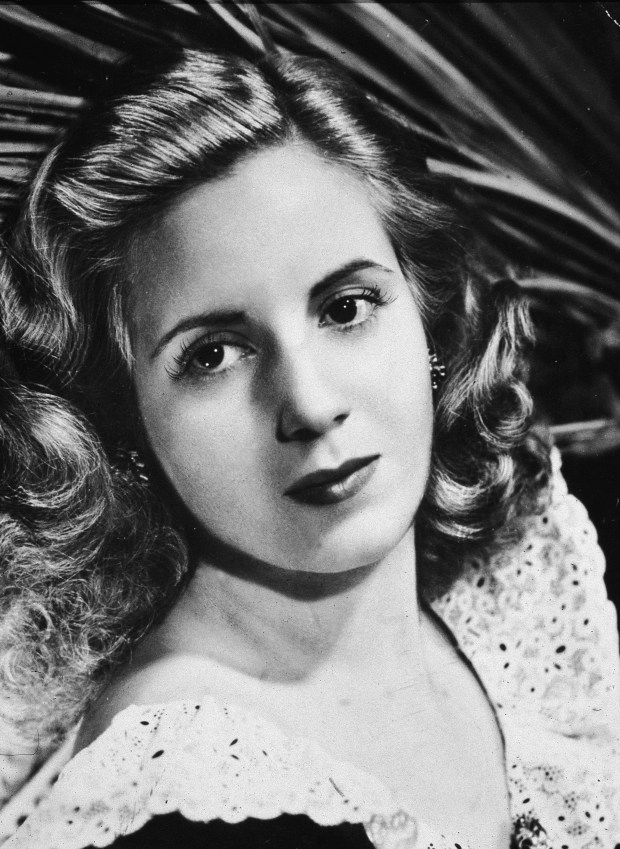 Promotional headshot portrait of Argentinean singer, actress, and first lady, Eva Duarte Peron (1919 – 1952), circa 1940s. (Photo by Hulton Archive/Getty Images)
The Casa Rosada, the pink presidential palace where Evita addressed the multitudes from the balcony, is still standing.
She was hugely popular among the underprivileged when she died of cervical cancer in 1952, at age 33. There was a massive turnout, estimated at as many as two to three million people for her funeral. About 3,000 people were injured trying to get to her casket and police from Uruguay and Brazil were brought in to help with crowd control.
Nowadays, Evita’s resting place in La Recoleta Cemetery is a veritable tourist attraction and why we paid the $16 admission fee to wander the grounds and see her crypt.
The Duarte family mausoleum, with a few modest plaques, is less ornate than some of the nearby lavish monuments that hold the remains of the city’s rich and famous.
Evita, well preserved by meticulous embalming, lies in her casket at least 15 feet below ground, encased in a steel vault to prevent any attempts to make off with her body.
Her corpse had a bizarre odyssey. After Juan Peron’s overthrow in 1955, the military hid it for years in an attempt to erase Peronism from Argentina. To thwart would-be body snatchers, she was buried in Milan, Italy, under an assumed name. In 1971, the remains were sent to Madrid, where Juan Peron was living in exile with his third wife, Isabel Peron.
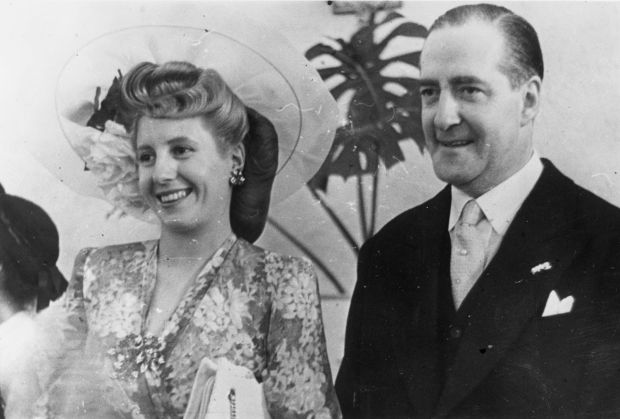 30th June 1947: Eva Peron (1919 – 1952), the wife of the Argentinian President, in Rome with the Argentinian Ambassador to Italy. (Photo by Central Press/Getty Images)
Multiple sources reported that the corpse was kept in their home, and even in the dining room, leading to a persistent, but unverified rumor that Peron dined with his dearly departed wife.
She was, however, put on public display in a glass coffin next to Juan’s when he died in 1974.
By the way, Evita herself never said “Don’t Cry for me Argentina,” but it made for a great song in the Broadway musical and movie.
You can reach Clark Mason at clarkmas@sbcglobal.net
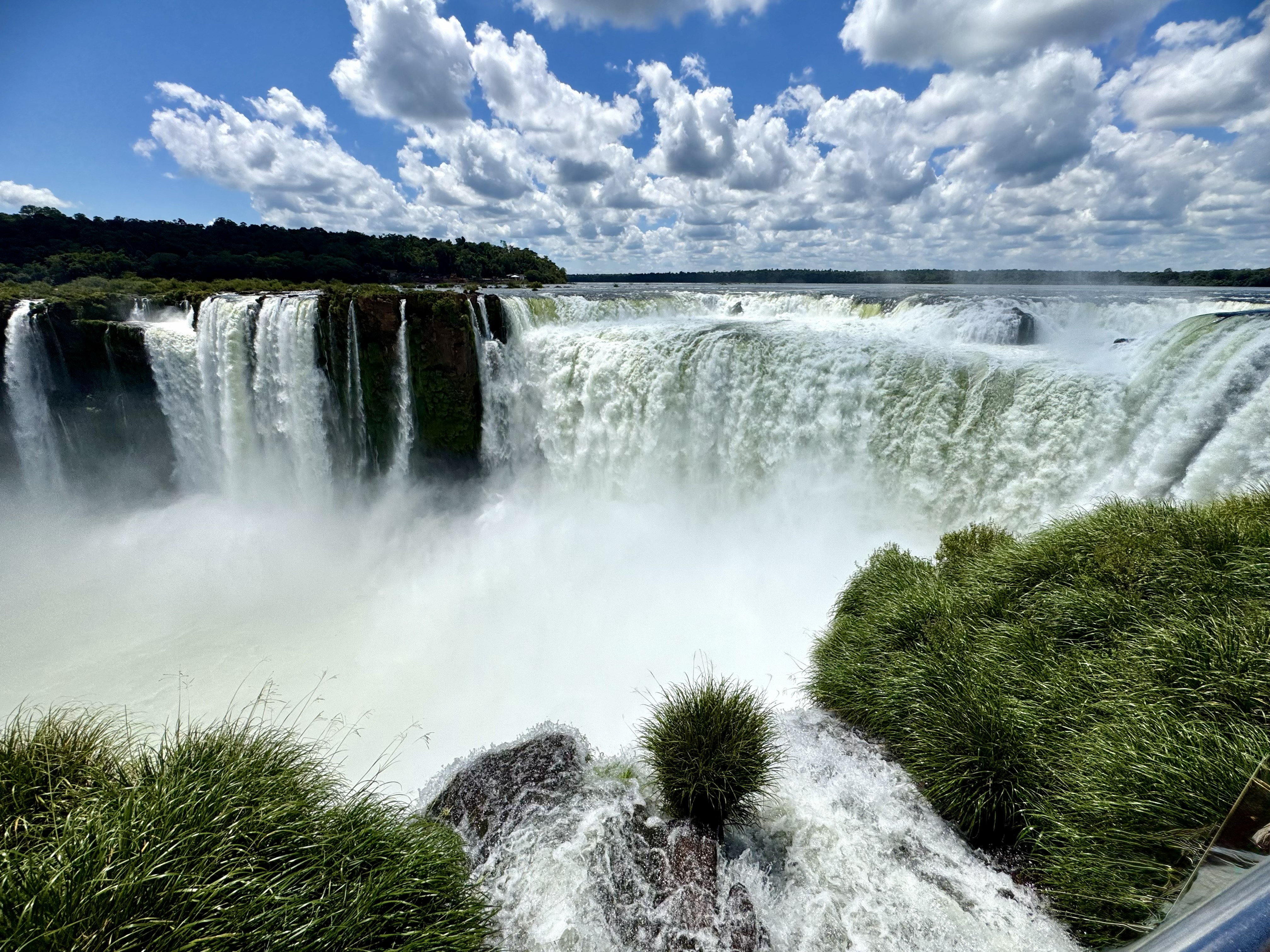
The roaring “Devil’s Throat” at Iguazu waterfalls seen from the Argentine side. Virginia Mason
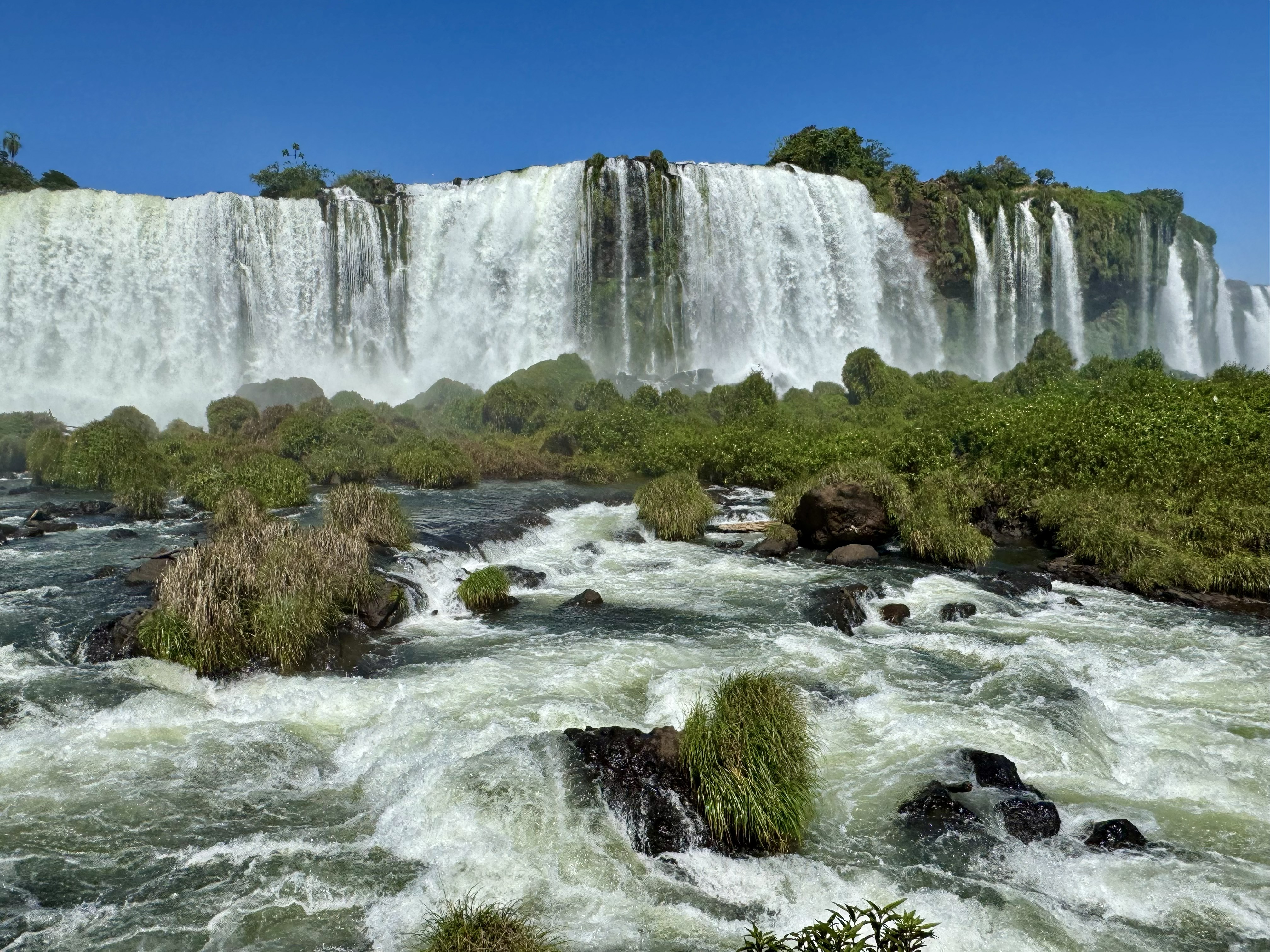
The Iguazu Falls are recognized as one of the new Seven Wonders of Nature. The massive system of around 275 waterfalls spans the border of Argentina and Brazil. Virginia Mason
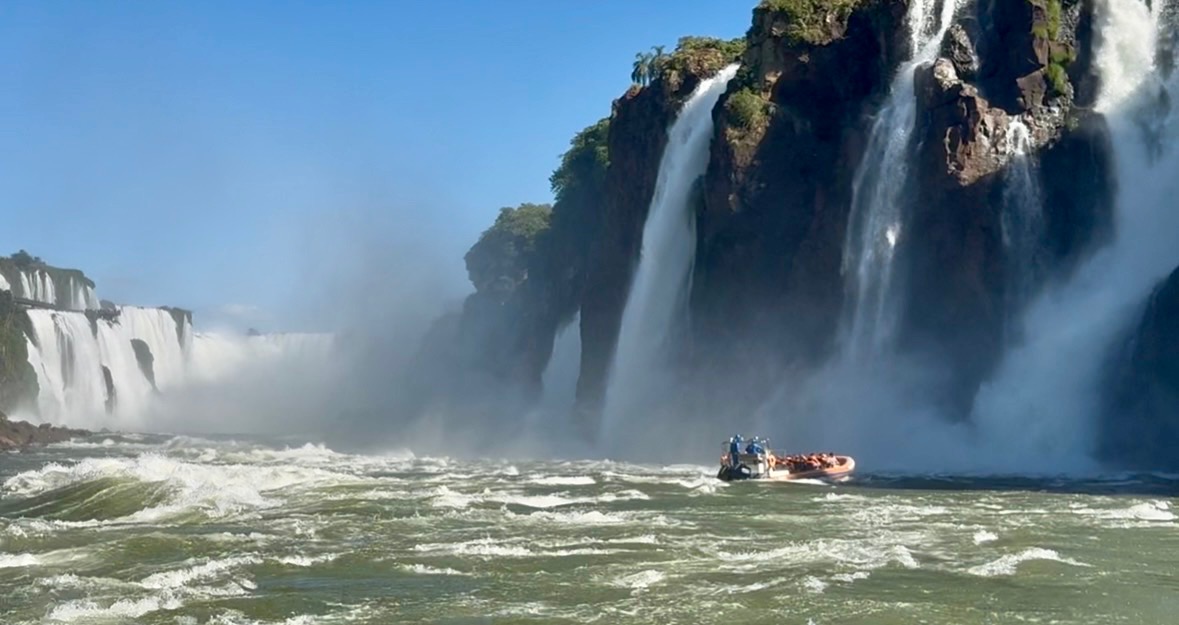
Tourist sightseeing boats go right up to the falls at Iguazu, offering a spectacular and thrilling experience. Virginia Mason
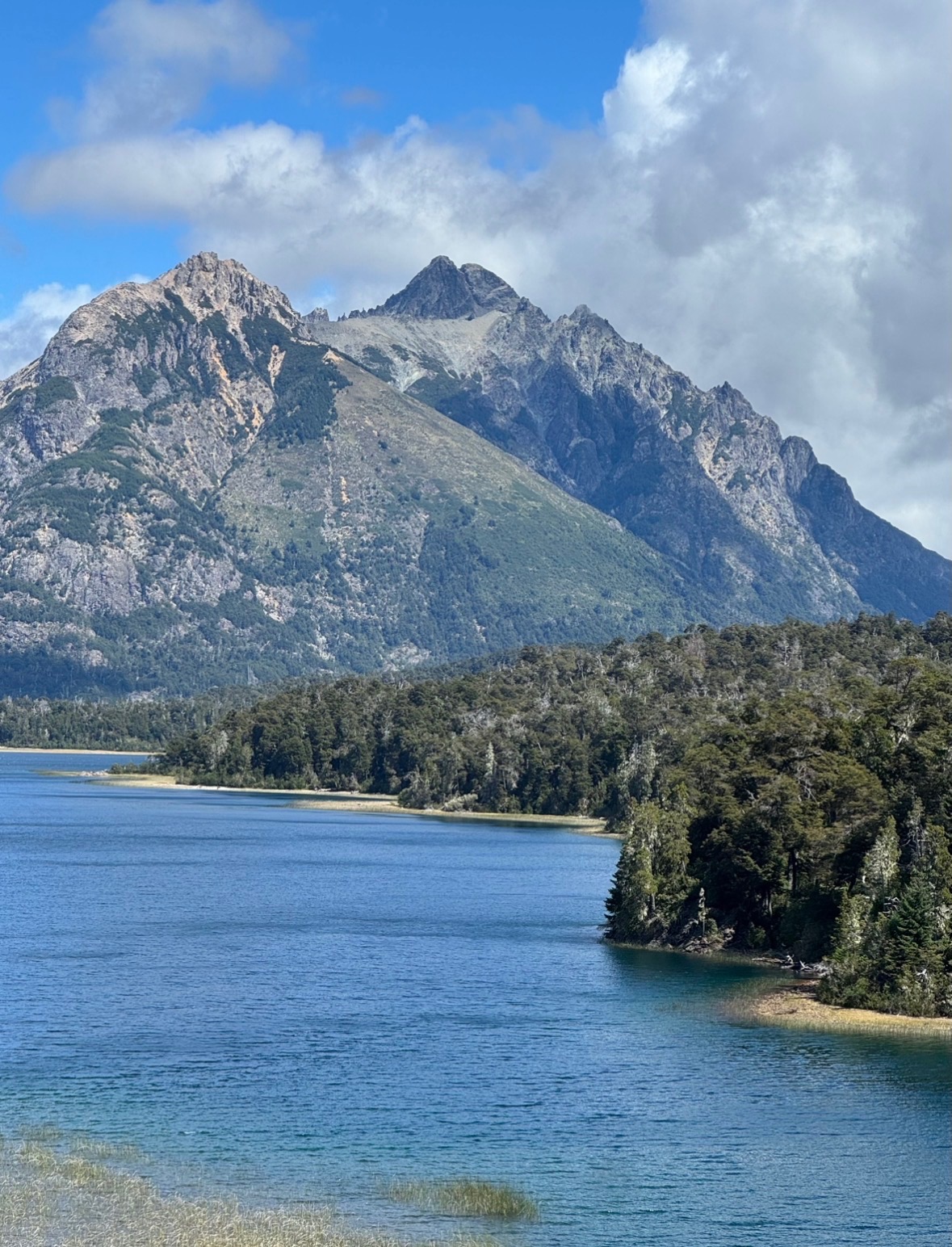
Lakes and high peaks abound in San Carlos DecBariloche, a summer and winter playground in Argentina just across the Andes from Chile. Virginia Mason
Show Caption
1 of 4
The roaring “Devil’s Throat” at Iguazu waterfalls seen from the Argentine side. Virginia Mason
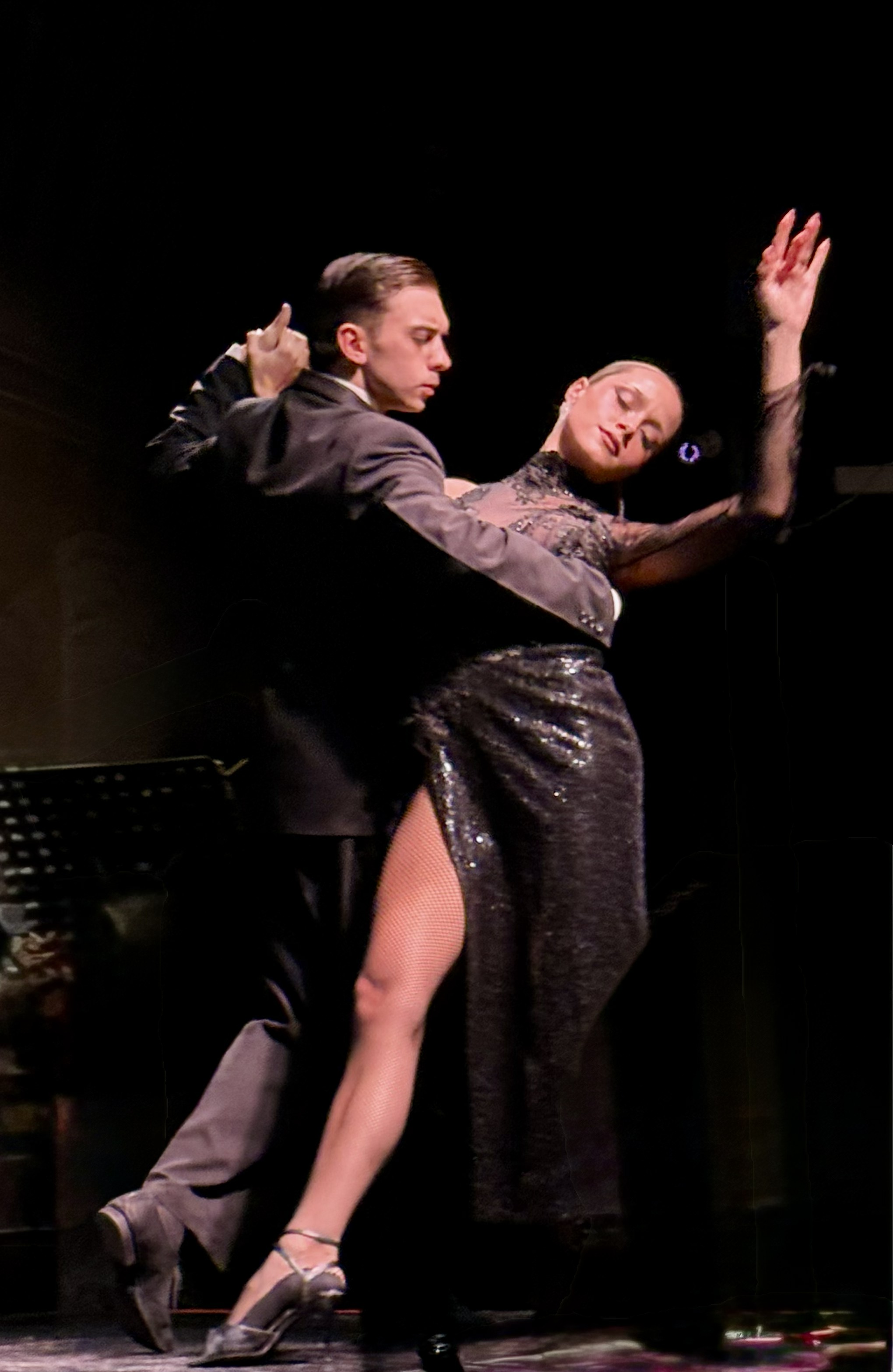
The tango grew out of the crowded tenements and waterfront bars of Buenos Aires in the late 1800s. Virginia Mason
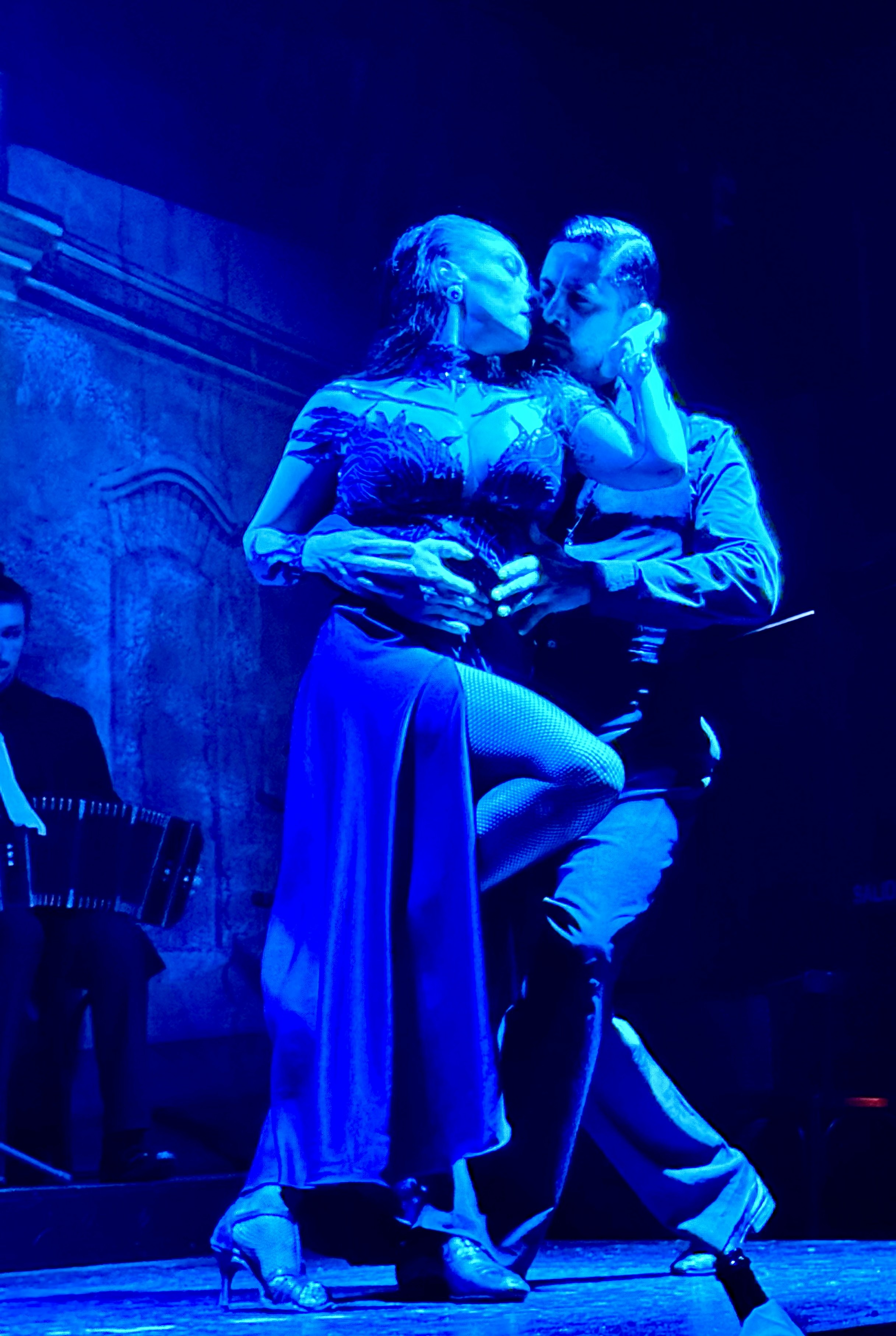
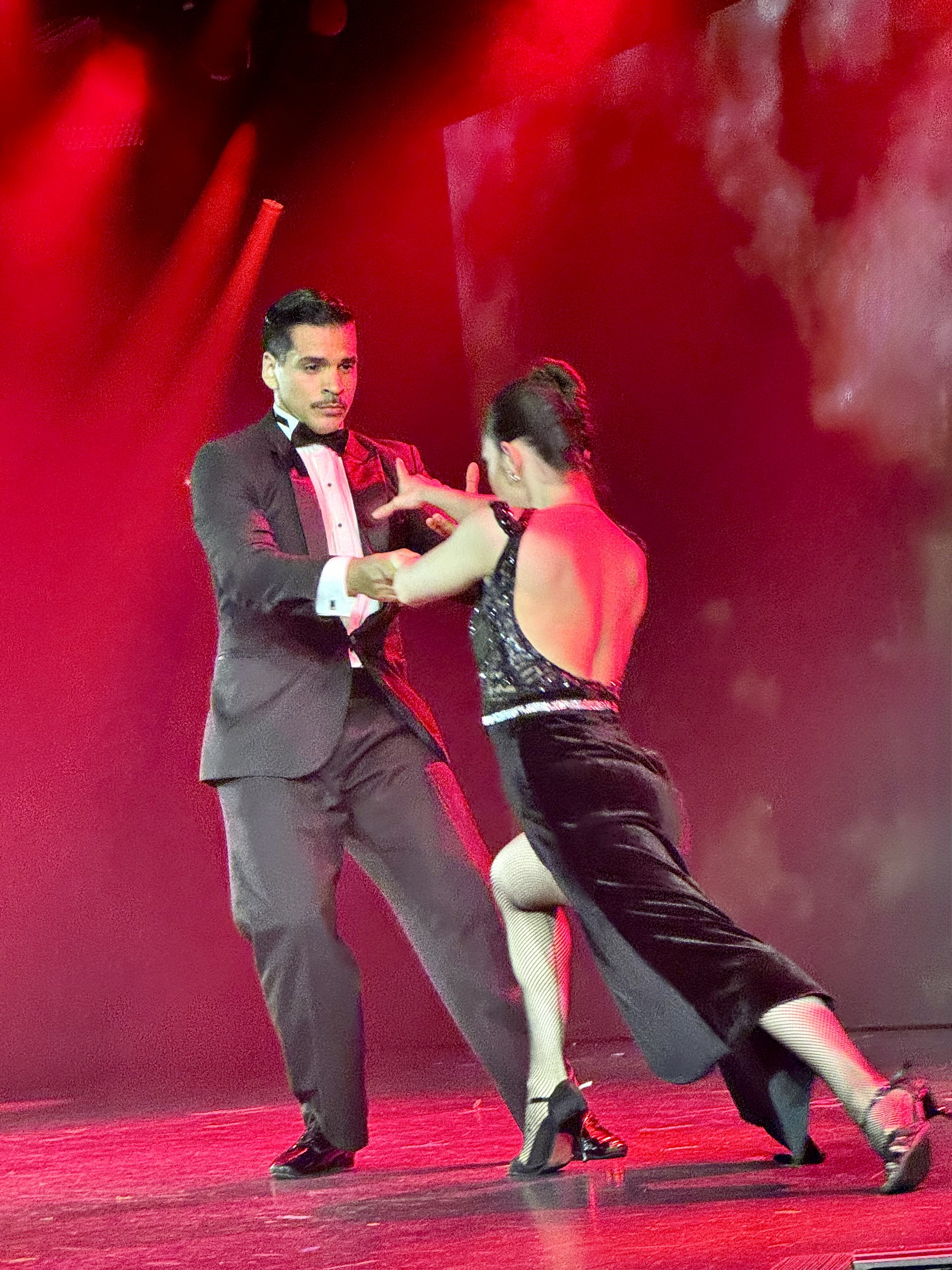
The tango has been declared “an intangible cultural heritage” by UNESCO. Virginia Mason
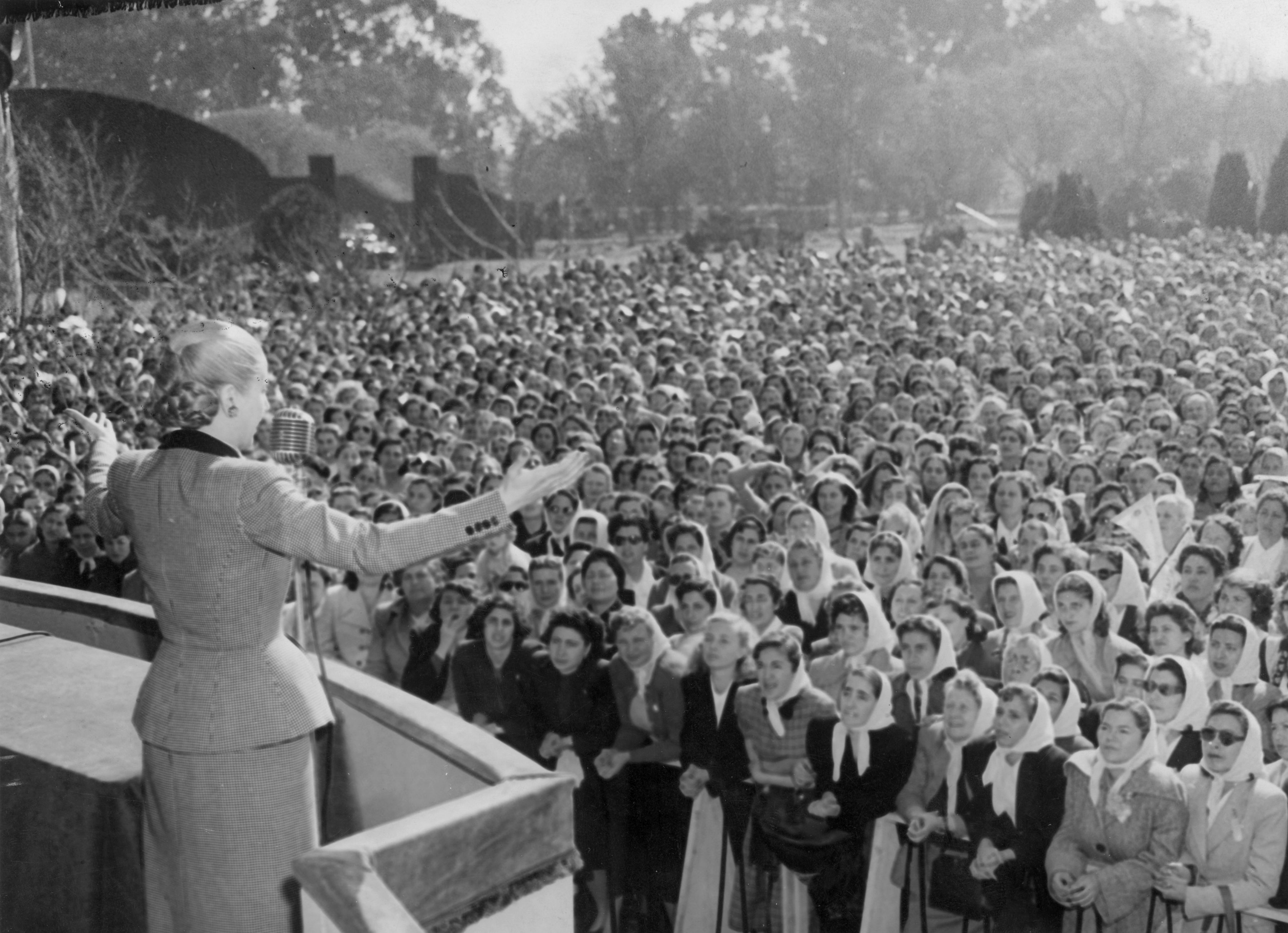
24th August 1951: Eva Peron (1919 – 1952) who organised women workers and secured votes for women addresses a crowd of women. (Photo by Hulton Archive/Getty Images)

A parade of torch-bearers, organised by the Argentine General Confederation of Labour Unions, gathered beneath a large portrait of Eva Peron in Buenos Aires, Argentina, 30th July 1952. The First Lady of Argentina, Peron – who died on 26th July – was the wife of the President of Argentina, Juan Peron. (Photo by Keystone/Hulton Archive/Getty Images
Show Caption
1 of 5
The tango grew out of the crowded tenements and waterfront bars of Buenos Aires in the late 1800s. Virginia Mason