Ever noticed dark spots or uneven patches on your skin that don’t seem to fade? That’s hyperpigmentation, a condition where the skin produces excess melanin, leading to darker areas. Hyperpigmentation is one of the most common skin concerns worldwide and can result from sun damage, acne, ageing, or hormonal changes.
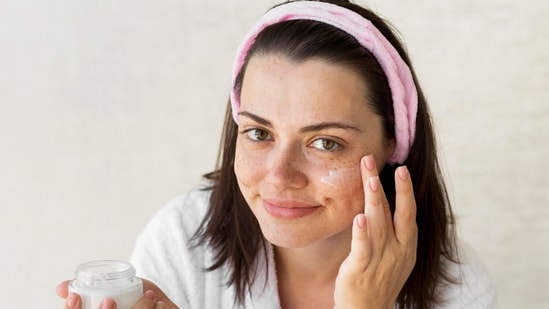
 Dermat says vitamin C, niacinamide, and retinoids are a must (Freepik)
Shweta Pandey is a Senior Content Writer at Hindustan Times, with over 12 years of experience in beauty and wellness journalism, specialising in makeup, skincare, and hair care.
She began her professional writing journey in 2011, entering the evolving world of digital lifestyle journalism as beauty and wellness content rapidly transformed in India. Over the years, she has worked with reputed digital media houses like India Today, the Times of India and Skymet Weather, steadily building credibility through well-researched features, product reviews, and trend analyses. Her career reflects consistent growth, moving from content contributor to senior writer. She now plays a key role in shaping editorial strategy, social media content, and ensuring high-quality, reader-focused content that aligns with evolving audience needs.
Shweta’s core expertise spans makeup, skincare, hair care, and holistic health and fitness. She specialises in in-depth beauty product reviews, ingredient analysis, skincare routines, and evidence-based wellness advice. Known for her analytical and data-driven approach, she relies on verified sources, dermatological insights, and expert consultations to ensure credibility. Her field experience includes interviewing Bollywood celebrities, beauty and makeup professionals, tracking consumer trends, and simplifying the top picks.
Shweta holds a Master’s degree in Mass Communication, Advertising, and Journalism and has done Bachelor’s in Commerce from Delhi University. She believes in delivering reader-first insights that empower informed decisions while maintaining transparency, credibility, and trust.
Beyond her writing desk, Shweta enjoys exploring new destinations, experimenting in the kitchen with delightful recipes, and staying in tune with the latest beauty and wellness trends.
Read moreRead less
Most people with hyperpigmentation would often visit multiple clinics and would end up strolling malls and websites for the best anti-pigmentation creams without knowing if they would benefit or not.
Dermatologist Dr Priyanka Sharma, Co-Founder, V6 Clinics, tells HT Shop Now, “Hyperpigmentation is one of the most common concerns, especially in Indian skin. It’s important to understand that it’s not a single condition, but a response to triggers like sun exposure, acne, or even heat and friction.”
Moreover, as our skin is naturally melanin-rich, it tends to react strongly to sun exposure and inflammation, often leading to persistent dark patches.
“Clinically, I see patients confuse tanning, post-acne marks (PIH), and melasma. While all present as pigmentation, the root cause differs, and that’s exactly where treatment begins”, she says.
What causes hyperpigmentation?
According to Dr Sharma, sun exposure remains the biggest trigger, followed by acne, hormonal fluctuations, heat, friction, and even overuse of harsh skincare products.
Sun Exposure: Ultraviolet rays are one of the top triggers of melanin production. Even just a little bit every day can add up and make a real difference. In fact, the existing dark spots can get even darker than they were before, making the condition worse.
Skin inflammation and injury: Anything that irritates or damages your skin can leave you with a nasty dark mark afterwards, whether it’s from acne, a scratch from a cat or a nasty bug bite. It can also be caused by using skincare treatments that are way too harsh. This leads to post-inflammatory hyperpigmentation, which is one of the most common types.
Hormonal changes: Hormones can trigger uneven melanin production. Pregnancy and birth control pills may often cause hormonal imbalances. This is strongly linked to melasma, which appears as patchy dark areas on the face.
Certain medications: Some drugs may make your skin more sensitive to light, or can mess with pigmentation, such as antibiotics, anti-seizure medications, and chemotherapy drugs. Using these in combination with getting too much sun can make things a lot worse.
Skincare products: Using skincare products incorrectly or overusing them can be the opposite of what you want. Using strong acids like AHAs or BHAs or products with a lot of alcohol or fragrances, may cause irritation that leads to inflammation, which makes you a whole lot more prone to getting these dark marks.
Natural Ageing: As you get older, cumulative sun exposure just makes things worse over time. Sun spots (also known as liver spots) and skin tone get all patchy and uneven
Skin type and genetics: People with medium to deeper skin tones naturally produce more melanin, so it’s not surprising they get more of these dark marks.
Heat and visible light: Not just ultraviolet rays, heat and blue light can also worsen pigmentation, especially in melasma.
How to treat hyperpigmentation?
When it comes to treatment, the expert says she focusses on ingredients that work at a cellular level. Vitamin C, Niacinamide, and Retinoids are three ingredients I ask my patients to look for in any skincare products”.
She further explains that vitamin C, is a powerful antioxidant that helps reduce melanin formation and brightens the skin. Niacinamide is excellent for calming inflammation and limiting pigment transfer, especially in acne-related pigmentation. Retinoids help increase cell turnover, gradually fading deeper pigmentation while improving overall skin texture.
Dr Sharma recommends using sunscreen every time you step out. “Sunscreen is absolutely non-negotiable. I often combine topical care with procedures like chemical peels or laser toning for more cases”, she asserts.
Sunscreens you can try
For a simple routine, she usually recommends a stable Vitamin C serum in the morning, followed by a sunscreen. At night, a niacinamide serum or a dermatologist-prescribed retinoid can help.
Anti-pigmentation creams you can try
Vitamin C and niacinamide serums you can try
In the end, Dr Sharma says, “Pigmentation takes time to improve, but with the right diagnosis, consistency, and medical guidance, it is very much treatable.”
Similar articles for you
Are clarifying shampoos doing more harm than good? Here is what an expert says
Note to readers: This article is for informational purposes only and not a substitute for professional medical advice. Always seek the advice of your doctor with any questions about a medical condition. Hindustan Times has an affiliate partnership, so we may get a part of the revenue when you make a purchase. We shall not be liable for any claim under applicable laws, including but not limited to the Consumer Protection Act, 2019, with respect to the products. The products listed in this article are in no particular order of priority.