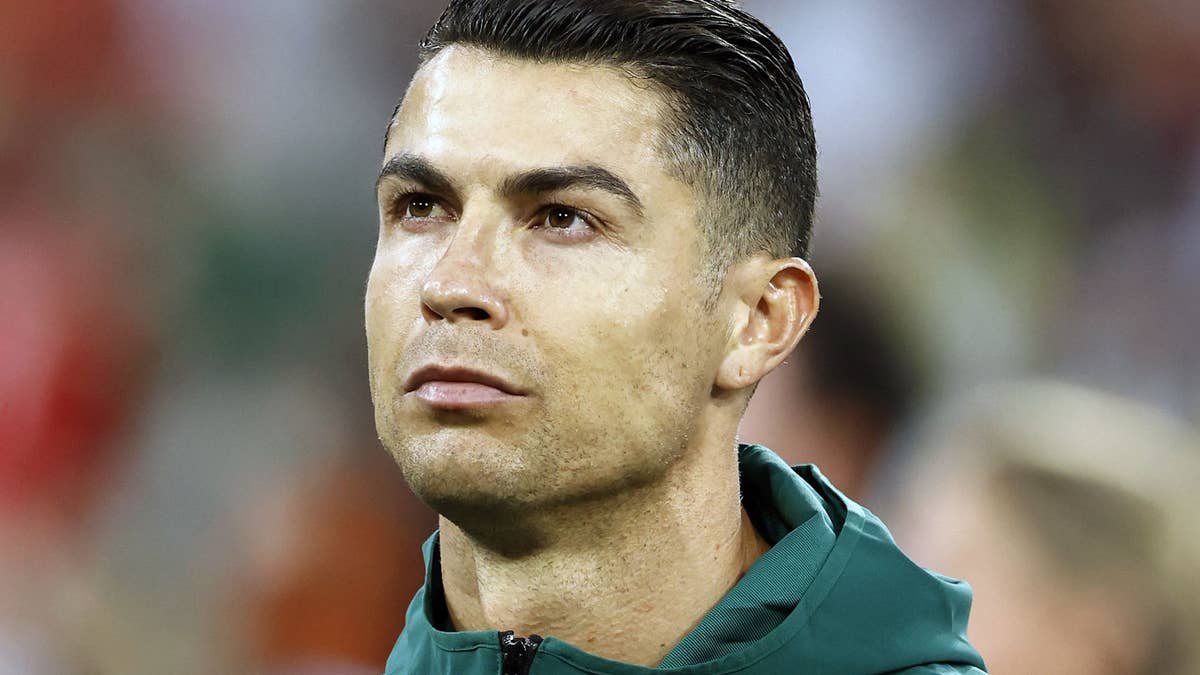
Discipline and consistency are the cornerstones of Cristiano Ronaldo‘s physique, performance and enduring success. The 41-year-old footballer recently opened up on the WHOOP podcast, a series hosted by the founders of the eponymous tech brand. Each episode offers a deep dive into “longevity hacks,” using guests’ biometric data, including heart rate, sleep quality and daily step counts, to decode their health. With the help of industry experts, we’ve analysed the Portuguese star’s wellbeing secrets. Want to know exactly how many steps he takes and what his resting heart rate looks like? Read on.
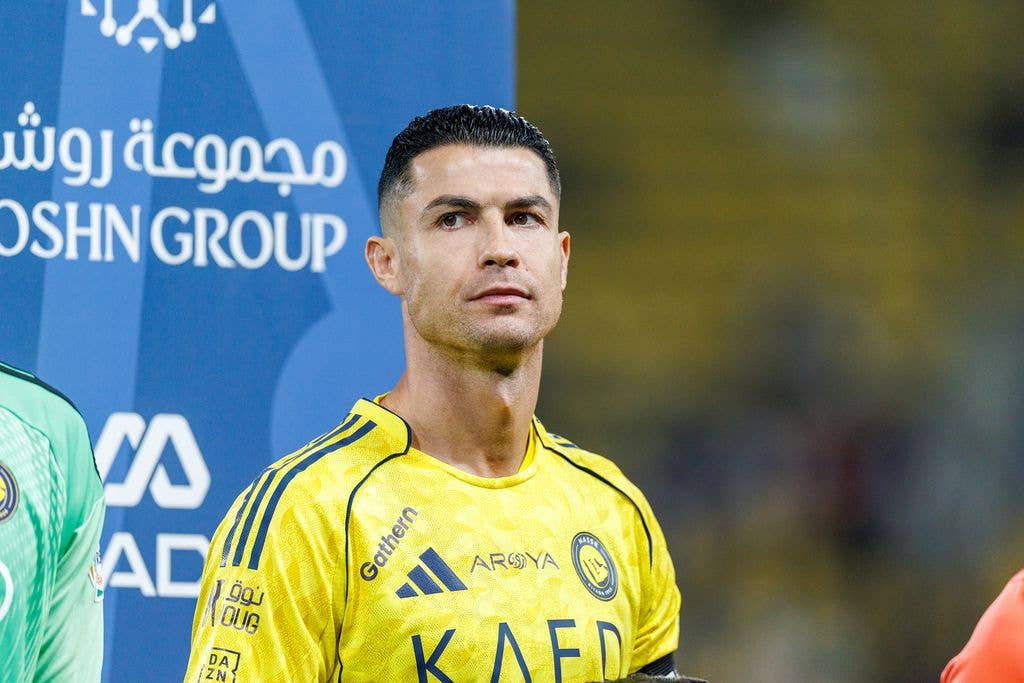 © Getty ImagesAccording to biometrics, Ronaldo’s body is over a decade ‘younger’ than his actual age
Recovery is as vital as the exercise itself
During the interview, Ronaldo noted that given the physical demands in football are great, you “have to manage your effort intelligently.” His personal rule of thumb? If you train for two hours, you should match it with two hours of rest.
Dr Alberto Ortegón, who holds a PhD in Exercise Science, suggests we take this advice with a bit of caution. “There is no hard-and-fast scientific rule stating that two hours of training requires exactly two hours of recovery.” However, he explains that Ronaldo’s philosophy highlights a very important truth: “The greater the training load, the more focus you must place on recovery.” Ortegón points out that recovery isn’t just about “downtime”, it’s also dictated by nutrition and stress levels. “Everyone needs to find their individual optimal dose of training and rest based on their specific goals and lifestyle,” he adds.
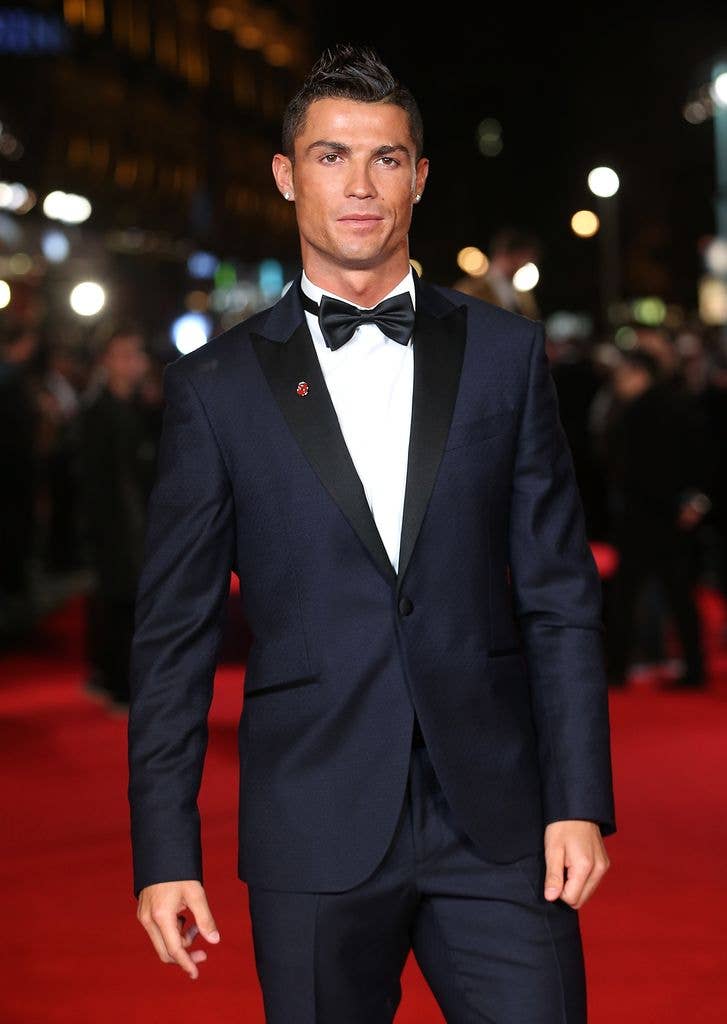 © WireImageThe handsome star pictured in 2015
 © Daniele Venturelli/WireImageRonaldo with fiancée Georgina Rodriguez
How Ronaldo maintains the body of a 28-year-old
Ronaldo has said that sleep is his most essential tool. “I go to bed around 11pm or 12am and get up at 8:30am or 8:45am. That’s my routine,” he confirmed. If a football match or other event forces a late night, he simply wakes up later to ensure he hits his average of seven and a quarter hours.
This habit may be why his biological age is reportedly 28 – a staggering 13 years younger than the date on his birth certificate. As Tamara Martín, a biotechnologist and pharmaceutical expert, explains: “The age on your ID card doesn’t always reflect the reality of your body.”
“Chronological age is just the time elapsed since birth; it’s a fixed number. Biological age, however, reflects the functional state of the organism – the actual condition of our muscles, including the brain, heart and gut, not just what’s seen on the outside – our metabolism, and our ability to bounce back,” Martín says.
So, how wide can that gap really be? “In practice, we might see a difference of five to 10 years. However, in ‘highly optimised’ profiles like elite athletes, it can exceed 15 years,” Martín confirms. “Muscle quality is one of the biggest factors in staying biologically young. Muscle acts as a metabolic organ that regulates glucose and reduces inflammation. Strength training, staying active, proper rest and balanced nutrition are non-negotiables.”
According to Martín, Ronaldo is a prime example of how maintaining muscle mass allows a person to keep the physiological markers of someone much younger. “You can’t change when you were born,” she notes, “but you can change how you age.”
 Cristiano and Georgina are also busy parents of a big family
17,000 steps and ice baths: The finishing touches
Ronaldo isn’t losing sleep over whether Harvard experts agree with his daily step count. He blows the standard 10,000-step recommendation out of the water, averaging a whopping 17,000 steps a day. For him, “NEAT” (non-exercise activity thermogenesis), which is simply moving when you aren’t training, is key.
Now in his 40s, Ronaldo admits his capabilities have shifted since his 20s. To adapt, he has leaned heavily into recovery tech. Compression therapy, cold showers, cryotherapy, and ice baths are now his daily allies.
Essentially, the superstar strives for balance. He admits to enjoying the occasional burger, but he doesn’t punish himself in the gym the next day to “make up for it.” He views it as a mental treat that fits into a healthy, sustainable lifestyle. His ultimate takeaway? “Look after yourself without obsessing about it. The most important thing of all is consistency.”