 8 min read
“What ur bod is telling you about your hormones!” reads the text overlay on a TikTok of a gorgeous young woman with long blond hair standing in a barn. She slaps at her inner thighs and abdomen, mentioning boxiness and bloating, neither of which is visible on her. “Everybody’s got a little bit of a hormone imbalance going on,” she says. “But if you have a drastic hormone imbalance, it can be a living hell.” She pulls a teal-colored drink into the frame, saying a “super holistic friend” told her to drink it for its “hormonal-balancing vitamins and minerals.” You can, obviously, buy it through her link.
The concept of hormone imbalance, manifesting in shouty captions and too many hashtags about perimenopause or cortisol face or estrogen dominance, is all over social media. These invisible chemicals that control everything in our bodies, and that a lot of people don’t fully understand, have become the bogeyman du jour. And like generations of snake-oil salespeople before them, armchair endocrinologists are happy to share the supposed cure. Just comment “CORTISOL” or “SEED CYCLING” and they’ll send you a link to learn more.
The CONCEPT of hormone IMBALANCE, manifesting in SHOUTY captions and TOO MANY hashtags about PERIMENOPAUSE or cortisol face or ESTROGEN dominance, is ALL OVER social MEDIA.
But how did we even get to a place where buying TikTok-famous drinks with taglines like “Cortisol can kiss our ashwagandha” became normal? Trust in doctors is the lowest it’s been since the mid-1990s, according to a 2025 Gallup poll, with health care increasingly inaccessible to a large swath of people. Covid ushered in a deluge of wellness influencers. Now, 67 percent of people think that having personal experience with a health issue makes someone a “legitimate health expert,” according to a 2025 global survey by communications firm Edelman.
“It’s tricky, it’s confusing, and I don’t blame these women for landing in the laps of these people who are just out to make money,” says Lauren Streicher, a physician and clinical professor of obstetrics and gynecology at Northwestern University Feinberg School of Medicine.
Mollie Casserly hasn’t been to a doctor since 2024. She’s thinking a lot about gut health and hormones at the moment. Feeling sad and anxious and wanting to lose weight, Casserly turned to social media and Reddit for help. She diagnosed herself with high cortisol and has taken supplements to support her hormones, as well as a fertility tea. “A normal person would probably be like, ‘Just go to the doctor!’ but I just don’t want to,” she says. “I feel like I can fix this stuff.”
She has always had a slight mistrust of doctors, but that has intensified in recent years. The 38-year-old Floridian felt “weird” and “kind of coerced” into having a C-section, based on poor communication by medical providers, with her first daughter. Then, her second daughter was diagnosed with a serious congenital heart defect in utero, requiring lots of stressful prenatal visits. She cried at every appointment. After a successful delivery and multiple open-heart surgeries, her daughter Maia died in May 2024, when she was just three months old. The pediatric doctors were “compassionate” and listened, she says. But Casserly’s trust in the medical establishment was still eroded.
TRUST in doctors is the LOWEST it’s been SINCE the mid-1990s, ACCORDING to a 2025 Gallup poll, with HEALTH CARE increasingly INACCESSIBLE to a large SWATH of PEOPLE.
There’s so much societal upheaval right now that it’s not unreasonable to think our hormones are acting in kind. As with many wellness trends, there is enough of a kernel of truth in “hormone imbalance” to make it sound plausible. One sarcastic TikTok with 1.6 million likes pushes back on the narrative, challenging influencers to “name three hormones, their function, and what balancing them means.” Let’s start there.
“Hormones are little chemical messengers that tell your body to do what it’s supposed to do,” says Arti Thangudu, a San Antonio–based endocrinologist. We have dozens of them, and they often work together in a cascade-like reaction. Cortisol, estrogen, testosterone, and melatonin are all hormones. So is GLP-1, mimicked by everyone’s favorite class of weight-loss medications, which signals the body to release insulin, another type of hormone. They regulate us and keep us in balance, though their functions vary.
You’re probably thinking, So why don’t doctors just test my hormones? “Hormone imbalance” itself is a “made-up term,” according to Rajita Patil, an obstetrician and gynecologist and the founder and director of the Comprehensive Menopause Program at UCLA. “Hormones are not static, and they fluctuate across the menstrual cycle. They shift dramatically during perimenopause and menopause. And so there is not one single balance level that we’re trying to aim for,” she explains.
Patil acknowledges that alternative practitioners, who spend more time with patients and order a lot of tests, may make people think, “ ‘Oh my God, this person is really paying attention to me.’ It’s very personalized, which makes you feel very good, because you feel like you’re getting more attention, but you might actually be doing more harm,” she says.

CASTELLANI/BLAUBLUT EDITION
The demand for hormone testing has risen. Clair, a wearable hormone tracker for women, launches later this year. Eli Health offers a saliva-based at-home cortisol test and is releasing progesterone and testosterone options. DUTCH (Dried Urine Test for Comprehensive Hormones) tests, which cost $499–$700, are popular online.
One-time tests won’t tell you much, doctors say, because hormones, by nature, fluctuate all the time. “Take your money and flush it right down the toilet,” says Streicher, noting that they “tell you nothing.” Symptoms are often a better way to diagnose someone than a lab test, which also may not be covered by insurance. “Micromanaging hormone levels isn’t really where the science is at,” says Patil. She notes that she could test 10 different people, all in the same phase of the menopausal transition, and all with the same hormone levels, and none would have the same symptoms. But that doesn’t mean testing isn’t sometimes needed. Doctors will check iron or thyroid hormone levels; in situations where younger women are having irregular periods or early menopause symptoms; for fertility issues; during pregnancy if warranted; and to rule out conditions like polycystic ovary syndrome.
Perimenopause, which has become the hottest topic online as the overshare generations (Gen X and “elder” millennials) are going through it, is a time of hormonal turbulence that lends itself perfectly to dubious wellness interventions. Decreasing estrogen and other hormones causes multiple symptoms, and when, how, and even whether to start hormone therapy for replacement and to help relieve hot flashes is highly individual. According to a 2023 survey published in the journal Menopause, almost 70 percent of ob-gyn residency program directors said there was no “menopause curriculum” in their program—so desperate people who are sweating through their sheets start looking elsewhere for answers.
One-time TESTS won’t tell YOU MUCH, doctors SAY, because HORMONES, by nature, FLUCTUATE all the TIME.
If estrogen is the princess everyone wants to come back to the ball, cortisol is the scheming Disney villain, wrecking your looks and your life. Google searches about cortisol have quintupled since 2022. Cortisol, produced by the adrenal glands, peaks in the morning and falls throughout the day. Cushing’s syndrome, caused by high cortisol, and primary adrenal insufficiency, which results in low cortisol, are serious but rare. Cortisol does rise with stress, at certain times of the month, with vigorous exercise, and from a lack of sleep, and excess stress hormones can cause health issues, like high blood pressure. But it’s probably blamed for too much.
A prevalent subset of the online cortisol panic is “cortisol face,” a rebrand of puffy cheeks and under-eye bags. “Moon face” is a symptom of Cushing’s syndrome and is likely where the term came from. “ ‘Cortisol face’ became more like a catch-all explanation for facial puffiness, acne, hair shedding, and fatigue because social media just loves to label things,” says Shereene Idriss, a dermatologist and the founder of Idriss Dermatology in New York City.
Again, there’s a sheen of truth here, because cortisol can cause water retention. But so can eating too much salt or staying up all night on TikTok. Inflammation, barrier damage, genetics, and a poor diet can all contribute to skin issues often attributed solely to hormones, says Idriss, though they are partially responsible for skin and hair concerns like acne, hair loss, and melasma.
Once you’re convinced a hormone imbalance is the reason you feel and look like crap, the algorithm will serve up influencers and practitioners recommending supplements like stress-release gummies. Americans spent almost $69 billion on supplements in 2025, according to market-research firm Grand View Research, and some medical doctors are now selling them too, further muddying the waters. Some treatments are benign, like seed cycling, which proposes eating phytoestrogen-rich flax and pumpkin seeds during the first two weeks of the menstrual cycle, then polyphenol-rich sunflower and sesame seeds during the last two weeks for “hormonal support.” While these seeds are delicious, studies on the healthy micronutrients in them aren’t too conclusive about their impact on estrogen and progesterone levels. Thangudu says some dietary add-ons can also be dangerous, like DHEA, a steroid hormone, and some “adrenal cortex” supplements, which may contain actual cow adrenal hormones.
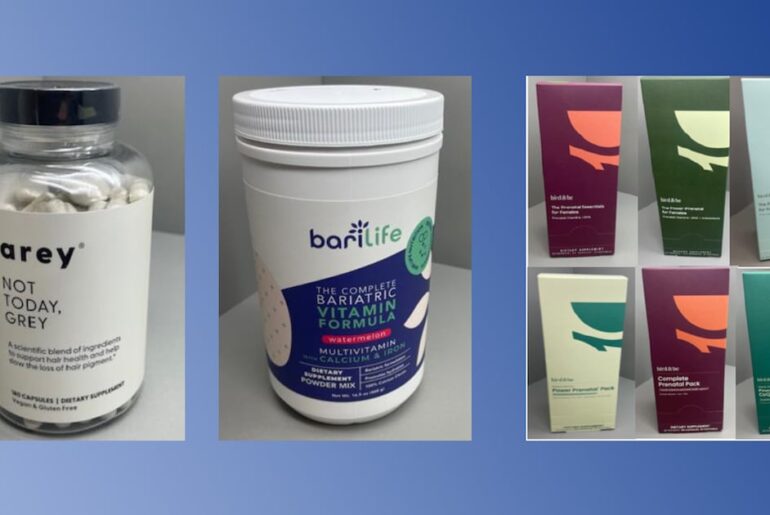
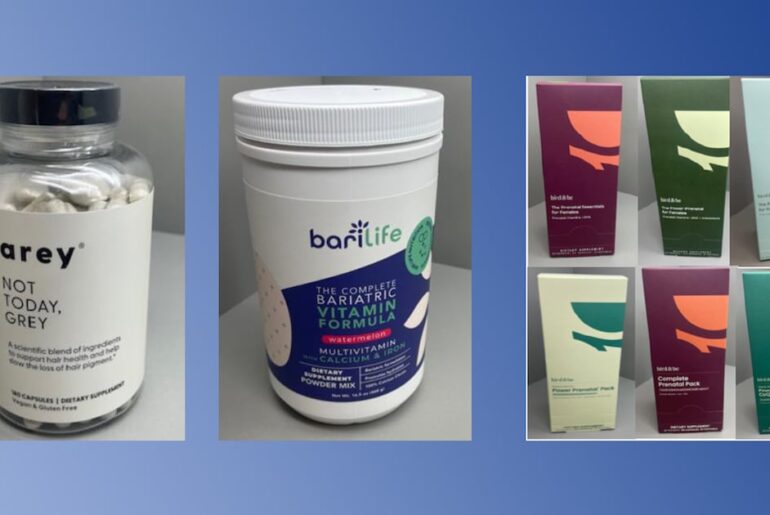
But no supplements are guaranteed safe, because in the United States, they are underregulated. Sometimes they don’t contain the doses they claim to or can be contaminated with lead. (You know what’s worse than cortisol face? Lead poisoning.) Some can cause liver and other organ problems. And often, the placebo effect is at play. Patil cites one such example: Patients given placebo pills in studies on hot flashes report an initial 40 percent decrease in hot flashes. Assume the same thing can happen if you’re taking ashwagandha for stress, except you have no idea what you’re really ingesting. “It’s all marketing,” adds Thangudu.
You KNOW what’s WORSE than CORTISOL FACE? Lead POISONING.
Casserly has never purchased something directly from an influencer, but she takes some of their advice to heart. She’s trying to get pregnant again and has a history of low progesterone. She takes glutathione, a supplement that claims to detox your liver, including the “extra estrogen” that may be sitting there. She took vitex (also called chasteberry) to lengthen her luteal phase to help her conceive. She thinks it worked because she did have a positive test, though she lost the pregnancy. “I just felt better,” she says.
Doctors do recommend limited supplementation, such as iron, vitamins D and B12, and magnesium, when a patient’s underlying issues warrant it. Mostly, though, it’s the boring stuff that keeps you feeling like wellness personified: sleep, eating better, stress management, and time with friends.
But none of this will likely change the way someone like Casserly feels—one who was deeply hurt by interactions with her doctors, who still doesn’t have the answers she seeks. “In the traditional insurance-based system, patients getting five minutes with their doctor to go over complex diseases is ludicrous,” says Thangudu. “Of course patients are going to look for alternative solutions. It’s really hard to be a patient.”