Four new health findings cover everything from America’s declining birth rate to what’s quietly undermining your blood pressure medication.
CLEVELAND —
America’s Birth Rate Hits a Record Low
New data from the CDC reveals approximately 3.6 million babies were born in the United States last year — a one percent drop from 2024 and roughly 20 percent fewer births than two decades ago. American women are also waiting longer to start families. Experts warn that a sustained decline in the fertility rate can have significant long-term economic consequences, and the current administration has introduced policies aimed at encouraging more people to have children.
That Supplement May Be Working Against You
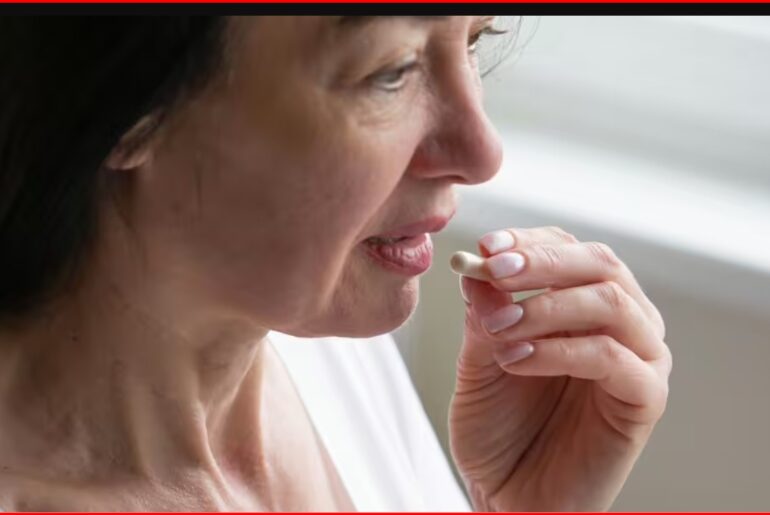
If you take blood pressure medication, think twice before reaching for a supplement. A Cleveland Clinic cardiologist cautions that many over-the-counter products can raise blood pressure, accelerate heart rate, or reduce the effectiveness of cardiovascular medications. Specific supplements to discuss with your doctor before taking include ginseng, guarana, licorice root, and yohimbe. St. John’s Wort, commonly used for depression, can also interfere with heart medications. A basic daily multivitamin is generally considered safe, but getting your nutrients through whole fruits and vegetables remains the preferred approach.
Your Diet in Your 60s Still Matters for Your Brain
It may not be too late to protect your memory. A new study published in the journal Neurology found that people who shifted to a high-quality, plant-rich diet had a measurably lower risk of developing Alzheimer’s disease and other forms of dementia — even when those changes were made in their late 50s and 60s. Over a decade of follow-up, participants who reduced their intake of unhealthy foods saw roughly an 11 percent reduction in dementia risk.
An important caveat: not all plant-based diets offer the same protection. Diets heavy in refined grains, added sugars, and ultra-processed foods were actually associated with a higher risk of cognitive decline. The quality of what’s on your plate matters as much as the category.
Marriage and Cancer Risk: What One Study Found
A study published in the Journal of Cancer Research Communications suggests that marital status may be associated with cancer risk. Researchers found that women who have never been married face an 83 percent higher risk of certain cancers, while never-married men face a 68 percent higher risk compared to their married counterparts. Researchers note those numbers vary significantly depending on cancer type and individual factors — for example, women who have not had children carry a higher risk of ovarian cancer specifically. The findings add to a growing body of research examining how social and lifestyle factors intersect with cancer risk.