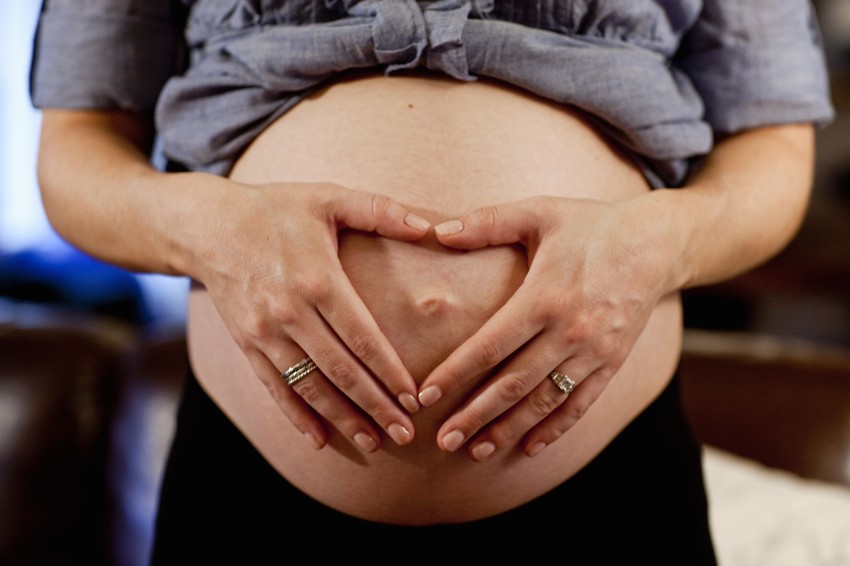
Discovering that your pregnant can be an exciting moment, but for many, it can be just as stressful. Pregnancy is often accompanied by a lot of changes, both physically and mentally. On this episode of The Wellness Conversation, Marcus Thorpe and new host Katie Lowe spoke with Stephanie McGill, DO, OhioHealth OBGYN, about the challenges of pregnancy and how women can feel more confident and supported in their journey.
A common struggle for many women throughout pregnancy is maintaining their mental health. Between the life changes and increase of hormones, it can often feel overwhelming to manage everything. While some of these changes may not be significant, Dr. McGill emphasizes that talking it through with your doctor can provide clarity and comfort.
“Regardless of if you feel, ‘could this be normal or not?’, bring it up to your physician or your provider,” Dr. McGill said. “Even in the year 2026, were not talking about mental health, the diseases in pregnancy, postpartum depression, anxiety, PTSD after delivery. Studies quote that those effect one out of seven women, which is an incredibly high number.”
Social media can also play a role in maintaining mental health, especially during pregnancy. At times, it can make women feel like they’re not doing enough or that they’re doing something wrong.
“I think there’s been a really big shift with social media. There’s a pressure on women to make them feel like they have to be doing something, doing stretches or getting on the birthing ball, and really the best thing you can do to prepare yourself for labor and delivery is just stay active through pregnancy.”
Not only does staying active during pregnancy help with some of the pain women experience, but it can also help when delivering the baby.
With each pregnancy comes a new set of experiences, struggles and discoveries. “Every pregnancy is different, and it’s not unusual to start feeling some of these symptoms earlier in pregnancy,” said Dr. McGill. She recommends talking to your provider about your pain, as there are a lot of options to care for symptoms.
When thinking about these pregnancy symptoms, many people forget to acknowledge a woman’s postpartum journey after delivery. It can be challenging to know how to prepare for life once the baby arrives. Dr. McGill recommends having an open conversation with your partner to ask questions about splitting the baby care and who you want to be involved in the process.
“One of the best things when we go back to thinking about preparing for delivery and preparing for a baby, I think also include preparing for what the postpartum course looks like, preparing for after,” Dr. McGill said. This preparation can help life with a new baby feel a lot more reassuring.
To listen to the full episode, click here.
‘;