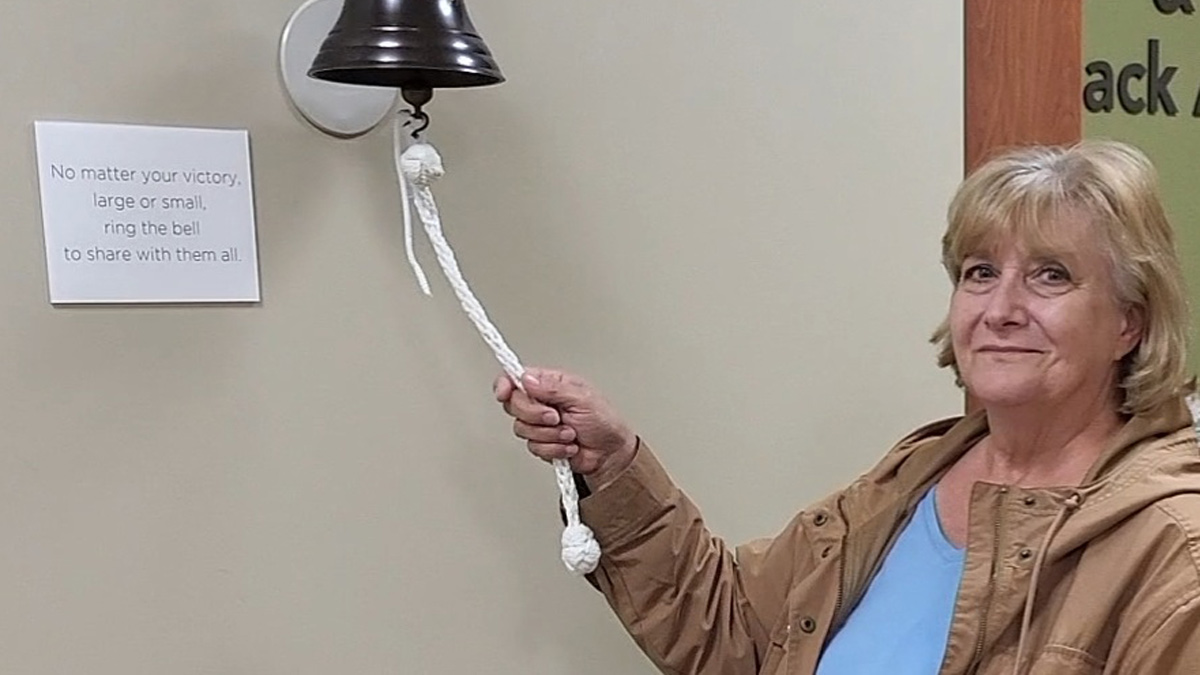
After breast cancer treatment, Nancy Mason was looking for ways to feel stronger again — physically, mentally and emotionally. She found that support through Atrium Health Levine Cancer’s virtual nutrition classes, where practical guidance and encouragement go hand in hand.
Nancy began participating after finishing radiation therapy and surgery. The classes gave her reliable information, space to ask questions and a sense of connection with others who understood what she was going through.
“They’re just wonderful and very supportive,” says Nancy. “The classes bring us together — it’s kind of like a virtual support group.”
She has taken classes on heart health, healthy cooking and other popular nutrition topics, including supplements, protein powders and how herbs and spices can support wellness or sometimes interact with treatment. She especially appreciates the way the information is presented with trustworthy sources so patients can make informed choices.
“Pat [Fogarty, a registered dietitian at Levine Cancer] puts so much work into these classes,” says Nancy. “She takes something that could be very challenging and simplifies it.”
That kind of guidance has helped Nancy make meaningful changes without feeling overwhelmed.
“The wide variety of nutrition classes Levine Cancer offers reflects the patients’ diverse interests and needs,” says Fogarty. “I hope the patients learn essential nutrition skills such as label-reading and navigating food shopping and preparation while developing an understanding of the evidence-based guidelines for eating to help reduce the risk of cancer recurrence.”
Small nutrition changes can make a big difference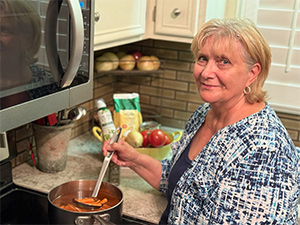
Since joining the program, Nancy has started making healthier versions of favorite meals, eating more whole grains, limiting grilled foods and avoiding artificial sweeteners. Because she has some vitamin deficiencies, she also learned how to get more nutrients from food instead of relying on supplements.
For Nancy, those changes have mattered beyond the plate. Like many people recovering from cancer treatment, she dealt with bone and joint pain and fatigue. Being more intentional about nutrition helped her feel more grounded during a difficult time.
“You’re more focused on the healing rather than the illness,” she says. “It gives you something to look forward to — being healthier body, mind and spirit. It’s really improved my mental health.”
That sense of control can be powerful after cancer. As Nancy puts it, “I might not be able to control the cancer, but I can control what I put in my body.”
Her advice to others is simple: start where you are. She encourages people to listen in on the virtual classes, even if they don’t feel ready to actively participate.
“You can be what I call a ‘lurker,’” she says. “You can just listen to the classes on your phone, in your car or on your computer. You don’t have to say a word or be on camera.”
And when it comes to changing how you eat, she recommends taking it step by step.
“Pick one part you want to change and work on it for two weeks, then work on something else,” she says. “Before you know it, you’ve made these very impactful changes.”
Why nutrition matters during cancer treatment
Levine Cancer’s team of oncology-trained registered dietitians supports patients during treatment and into survivorship. According to Denise Reynolds, a registered dietitian at Levine Cancer, nutrition needs often shift depending on where someone is in their cancer journey.
“During treatment, our RDs focus on supporting nutrition through symptom management and preventing malnutrition,” says Reynolds. “After treatment, the focus shifts to supporting healthy lifestyle changes to prevent cancer recurrence and help prevent risk factors such as heart disease that may be related to the cancer treatment they had.”
During active treatment, common nutrition-related challenges can include:
• Nausea
• Vomiting
• Constipation
• Diarrhea
• Poor appetite
• Taste changes
• Fatigue
• Pain that interferes with the ability to eat well
These issues can affect more than comfort. They can also interfere with healing and strength.
“The body needs fuel to support healing and maintenance of lean body mass, like your muscles and bones,” says Reynolds. “Unintentional weight loss or muscle wasting contributes to poor tolerance of treatment.”
Fatigue is another major concern during treatment and good nutrition can help support energy and quality of life. To meet patients where they are, Levine Cancer’s dietitians offer practical strategies tailored to symptoms and daily routines. For someone with fatigue, that may mean choosing easy-to-prepare foods. Someone with mouth sores or trouble swallowing may opt for soft, moist foods. When regular meals are not possible, oral nutrition supplements such as Ensure or Boost may help fill the gap.
Common myths about food and cancer
Cancer survivors are often flooded with nutrition advice and not all of it is accurate. Reynolds says one of the biggest problems her team sees is fear and shame around food.
“We often hear, ‘Don’t eat sugar — it feeds cancer,’” she says. “This isn’t true and as dietitians, we support eating the foods that support the body’s energy and nutrient needs during active treatment.”
She also reminds patients that healthy eating doesn’t have to mean buying expensive or organic foods. During treatment, the priority is making sure the body gets the nourishment it needs.
“The number one goal during active treatment is to fuel your body so that you can get through treatment with minimal side effects and interruption to your quality of life,” she says.
For patients who feel unsure about what to eat, Reynolds recommends focusing on one manageable goal at a time rather than trying to overhaul everything at once.
Support doesn’t have to end when treatment does
Levine Cancer’s nutrition support begins at diagnosis and it now includes a survivorship-focused Nutrition Rehabilitation program for people who have completed treatment. The program provides longer-term, personalized support for those who want to rebuild strength, improve eating habits and reduce the risk of recurrence.
Some people need help regaining weight and muscle after treatment. Others may be dealing with treatment-related weight gain, especially after hormone-based therapies used in breast or prostate cancer. Reynolds says both situations deserve attention because they can affect long-term health.
“Many cancer treatments can actually cause weight gain, such as hormone medications after breast or prostate cancer,” says Reynolds. “Weight gain after treatment can put someone at risk for a second cancer, a recurrence of cancer, or a comorbid condition such as heart disease.”
Even after treatment ends, side effects can linger. That is why ongoing support can be so valuable.
“After treatment ends, symptoms and side effects often continue long-term for our cancer survivors,” says Reynolds. “Having the support of an oncology-trained dietitian as part of the survivorship care team helps survivors regain health and strength.”
Every care plan starts with an assessment of the patient’s cancer history, other medical conditions and everyday circumstances. From there, the team helps create realistic goals around nutrition, physical activity and other lifestyle changes. Levine Cancer’s registered dietitians are all board-certified oncology dietitians, and the broader team also includes a supportive/palliative care physician and an exercise physiologist.
Reynolds’ advice is to seek help sooner rather than later: “Consult an RD early in your cancer treatment process. We can help early in treatment to hopefully prevent symptoms and side effects from becoming serious and unmanageable.”
At its core, that support is about helping people feel stronger and more confident in their bodies again — one small, sustainable change at a time
Learn more about nutrition and other support services at Levine Cancer.
Related Posts