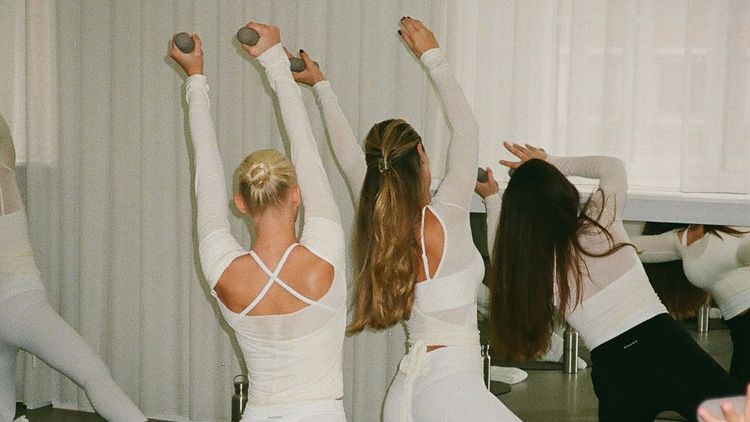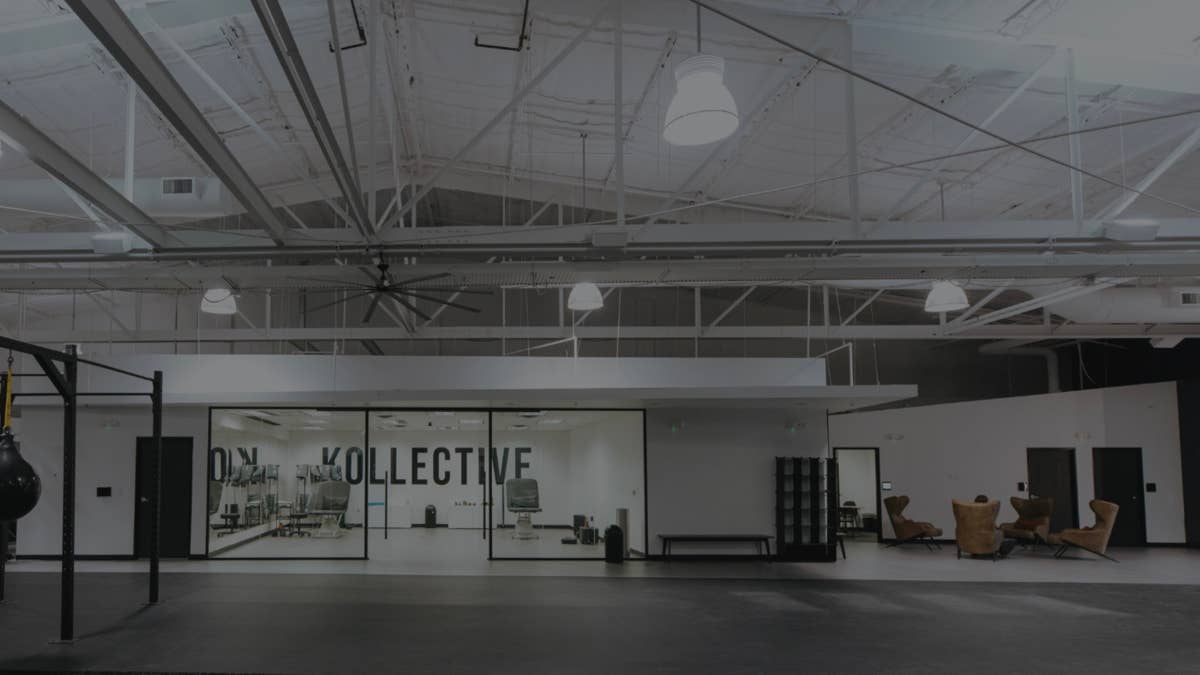
Walk into a high end fitness club today and it is clear, this is no longer just a place to lift. The modern facility is evolving into something much bigger, a hybrid environment where training, recovery, work, and social life all intersect.
This shift is not anecdotal, it is backed by where the industry is going.
The global health and fitness club market is projected to surpass $200 billion by 2030, with steady annual growth driven by demand for more personalized, experience driven environments.
At the same time, boutique and lifestyle driven fitness concepts are growing even faster, with segments of the market expanding at nearly double digit rates annually.
The Rise of the All in One Club
What used to be a gym is now a layered space.
You are seeing coworking areas, recovery zones, curated classes, and social lounges built directly into the facility. This is not random. Nearly 60 percent of gym members now prefer flexible, customizable fitness experiences, pushing clubs to evolve beyond a one dimensional model.
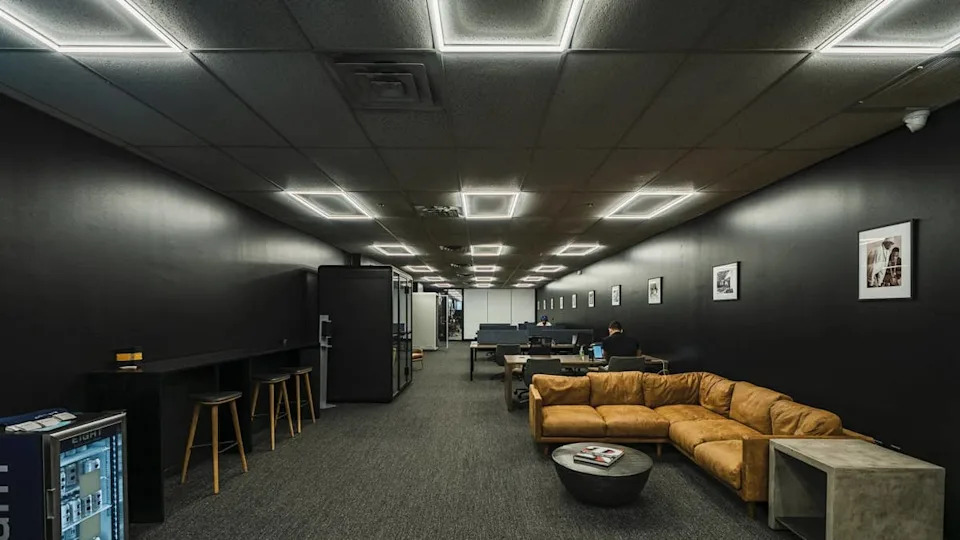
Clubs are responding by becoming places you stay, not places you pass through.
Spaces like Kollective Social Performance Club reflect this shift. You can train, recover, answer emails, and connect with people in the same environment. It is efficient, but more importantly, it is sticky.
Community Is the Real Product
The biggest change is not equipment, it is people.
Data shows boutique fitness users are more engaged, often attending multiple sessions per month and driving growth largely through word of mouth, with over 80 percent of new members coming through community driven channels.
That aligns with what you see in these spaces. The crowd is intentional. Coaches, creators, athletes, operators. People who care.
And that matters. When the room is filled with focused individuals, it raises the standard. You show up more, and you train with more purpose.
Convenience Drives Consistency
There is a reason this model works.
When you remove friction, consistency follows. You are not bouncing between a gym, a coffee shop, and a recovery spot. It is all handled in one place.
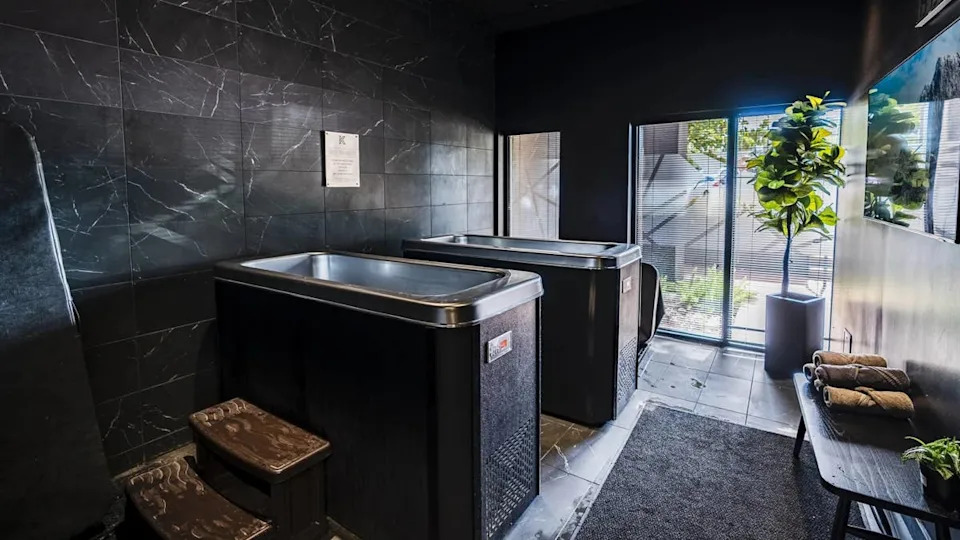
That aligns with broader behavioral trends. Nearly 77 million Americans now hold gym memberships, the highest on record, showing that participation is growing alongside expectations.
People are not just looking to work out. They are looking for environments that support how they live.
What This Means Going Forward
From a business standpoint, fitness is no longer selling access to equipment. It is selling identity, experience, and environment.
From a user standpoint, the takeaway is simple.
The best training program will always matter. But the space you put yourself in might matter more.
Because the future of fitness is not just about better workouts.
It is about better environments.
This story was originally published by Men’s Fitness on Apr 9, 2026, where it first appeared in the News section. Add Men’s Fitness as a Preferred Source by clicking here.