There are plenty of low-cost ways to stay active, from walking and running to home workouts. I have turned my small sitting room into a mini gym of late, and a set of resistance bands is the latest addition to my kit, along with my walking pad and indoor bike.
These stretchy bands, which can be mini, long, looped, or handled, create tension for you to work against. “Resistance bands are one of the most effective and accessible tools you can use at home. From a physiotherapy perspective, they allow you to build strength, improve mobility, and support joint health without heavy weights or a gym environment. They are also low impact, which makes them ideal for people returning to exercise or managing aches and pains,” says Craig McHugh, a physiotherapist and founder of Stretched studio, which provides assisted one-to-one stretching sessions.
Article continues below
You may like
Benefits of resistance band workouts1. They are simple
“Resistance bands remove the barriers people can feel around exercise. You don’t need a gym, lots of equipment or a huge amount of space. They’re easy to use at home and can fit alongside other types of training like Pilates, walking or strength work,” says Emma Mahama, a Pilates educator and founder of Everybody Reformer.
I keep my resistance bands visible around the house so I am more likely to use them. You can just grab them and begin, and when motivation is low, that makes all the difference.
My aim is at least 20 minutes three times a week, whether it’s full-body or focused on arms or legs. Even five or 10 minutes feels worthwhile. With time, I’ve found I’ve grown in confidence and learned techniques, so I can now use resistance bands without following any online workouts, but they are great for technique and inspiration. Just make sure that it’s certified experts leading the videos you choose to follow.
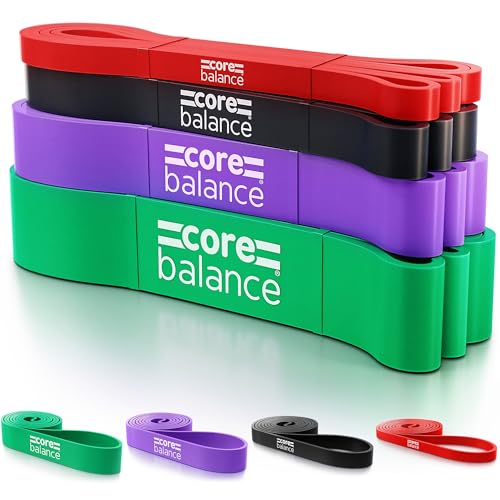
Core Balance
Long Loop Resistance Bands
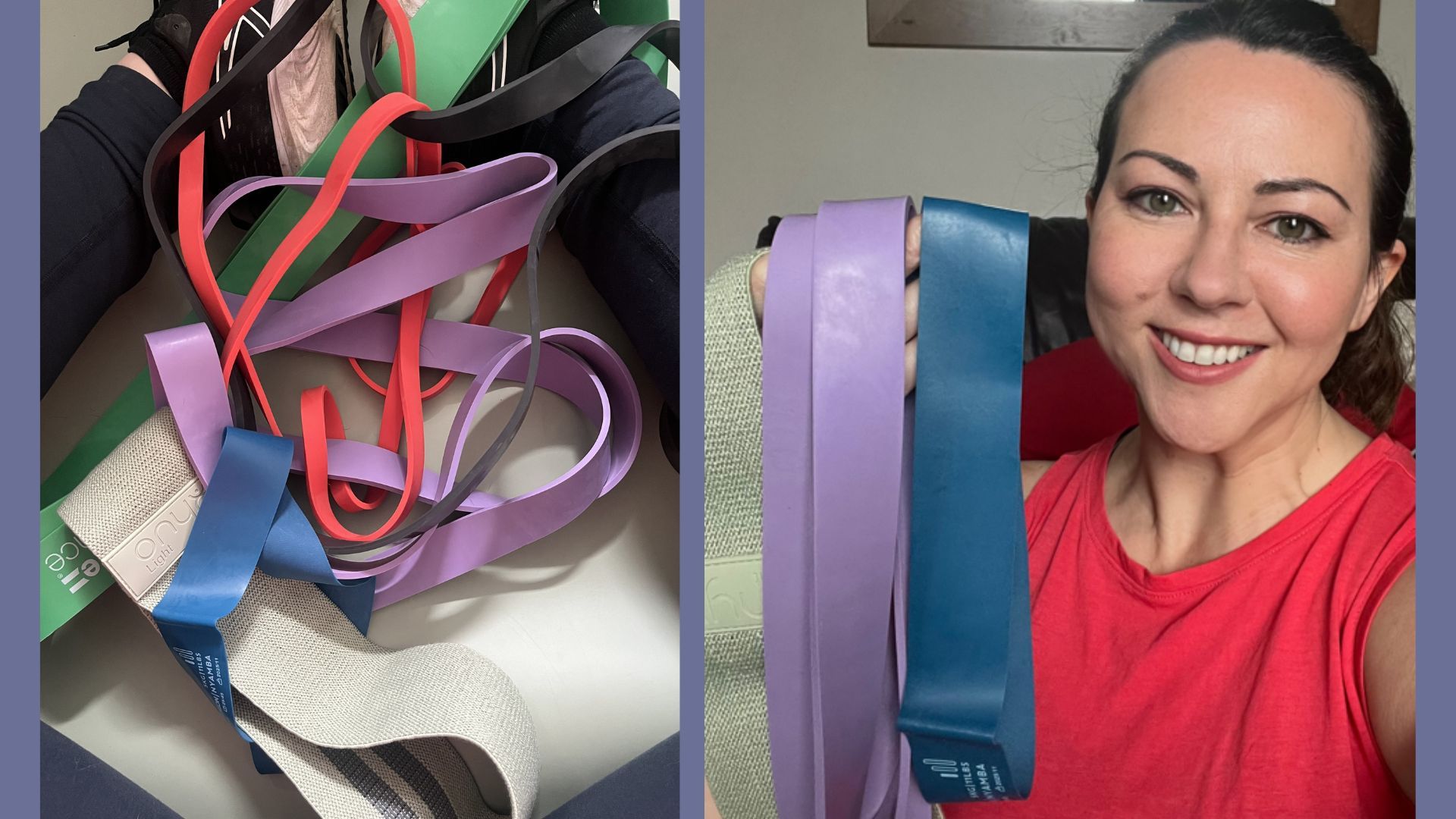
It’s a good idea to have two sets of resistance bands for most workouts. Long loops like these are great for lower- and upper-body exercises and stretches. There are four in this pack, which is why I chose them, and each colour offers a different resistance.
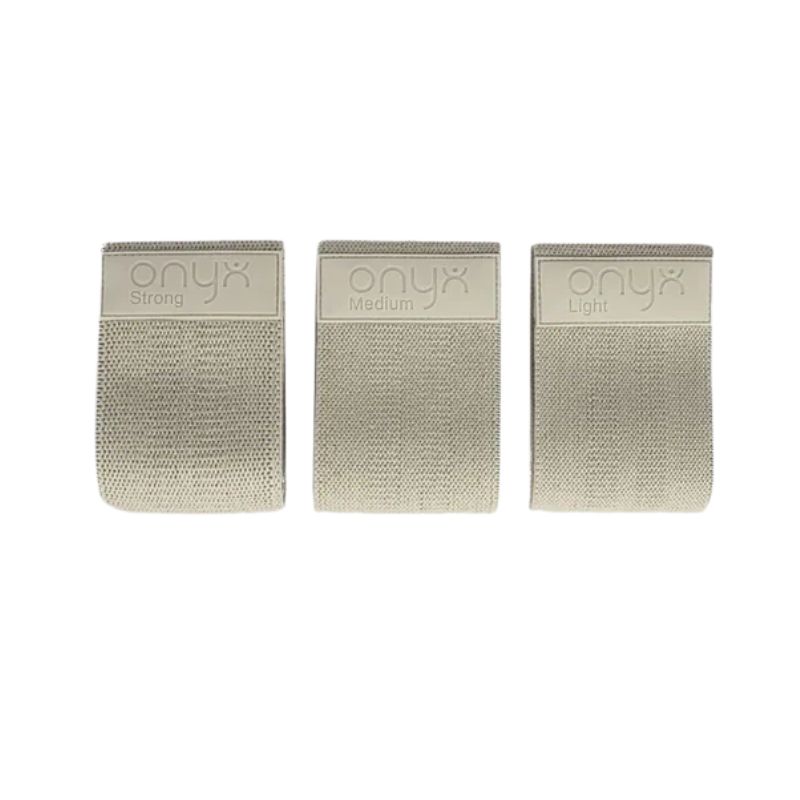
Onyx
Beige Resistance Bands
Shorter, thicker resistance bands, often made of nylon, are ideal for lower-body exercises like squats and crab walks as they don’t have as much stretch. I used this set from Onyx alongside my Core Balance bands to build up my collection.
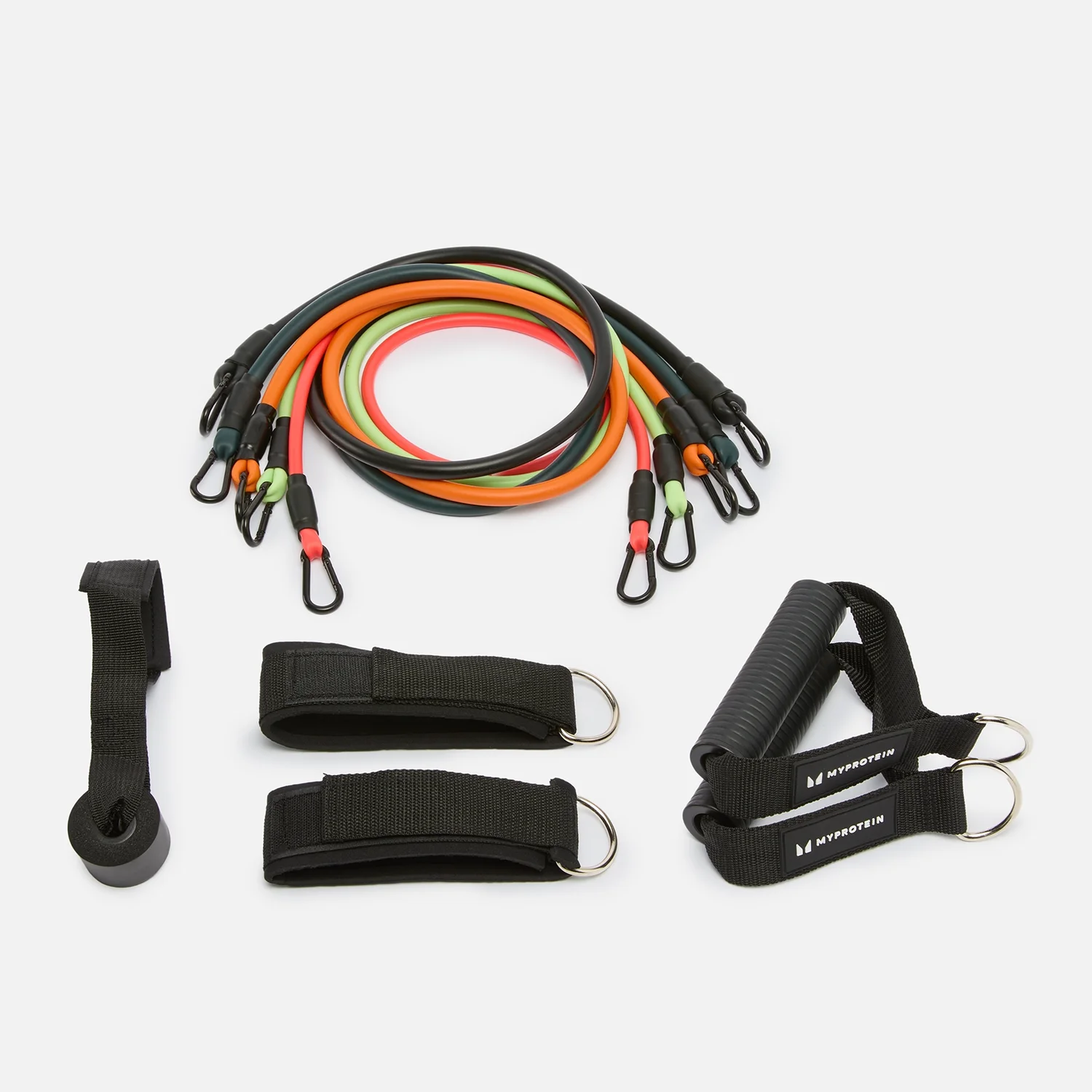
MyProtein
Multi-Use 11 Piece Resistance Band Set
A resistance band set like this one from MyProtein is also a good investment – and still cheaper than most dumbbells. The resistance goes up to almost 23kg with these, and the pack comes with ankle straps and handles to make exercises like extensions and curls easier.
2. Resistance band workouts are versatile
The great thing about resistance bands is that you can tailor movements to your mood or needs. “The same band you use for a controlled rowing movement or to add resistance to a glute bridge can also be used to support mobility and stretching work,” says Emma.
“They’re particularly helpful for guiding stretches in a gentle, supported way. For example, a band can help you lengthen through the back of the legs in a hamstring stretch or assist with mobilising the shoulders while keeping the movement smooth and controlled.”
Some days, I want to sweat. Other days, it’s more about gentle stretching. For example, I often use a longer band at the end of the day to stretch out my hamstrings, much as you might at the end of a gym class. I am running again for the first time in ages, training for a 10km run, and my legs have been aching. I also use a smaller band to stretch out my arms and back, which is ideal after a long day on the laptop.
3. They are great for mobility and stretching
“One of the biggest benefits of resistance bands, especially for women over 40, is supporting joint health and maintaining muscle mass. When combined with regular mobility work, such as a home stretching routine or assisted stretching sessions, it can significantly improve how the body feels day to day, reducing stiffness and improving energy levels,” says Craig.
What to read next
My flexibility continues to be a sore point. I’m still not flexible enough to touch my toes, but I’m getting closer, and I am noticing less stiffness in my back and shoulders since incorporating resistance bands. The more I move, the better I feel. I sleep more deeply because I am physically tired, wake up with more energy, and I feel more motivated to keep going. It’s a positive cycle that builds over time.
4. They help build muscle definition in beginners
“Bands create constant tension throughout the movement, which means the muscle is working both as you move and as you return to the starting position,” says Craig. Those completely new to strength workouts will start to see some definition and toning when the exercise is combined with dietary changes.
“You can use the bands for movements like bicep curls, tricep extensions, rows, and shoulder work, with a focus on control and posture,” adds Kate Rowe-Ham, a fitness expert and Founder of Own Your Menopause app.
That being said, to continue seeing progress, you have to make the resistance more challenging in some way – a process known as progressive overload – which is harder to do with resistance bands. “If your goal is to truly build strength, shape, and resilience, especially in midlife, you will need to progress to weights over time. See resistance bands as a stepping stone or support tool, not the end goal,” she says.
It is why I use resistance bands in addition to the activities. For top-to-toe fitness, I want to keep things varied and interesting and feel increasingly strong and toned as time goes on. I want to feel strong in midlife.
5. Convenient and affordable
Resistance bands are compact enough to store in the smallest places at home and to take with you on holiday, unlike dumbbells, a barbell, or kettlebells.
Fitness influencer Caroline Idiens is a huge fan. As she tells her 2.4million followers that resistance bands are the “best piece of kit for your suitcase this summer”.
They also don’t cost as much as other weights like dumbbells and kettlebells. Starting for as little as £5, they are one of the most affordable pieces of equipment on the market.
“If you’re new to resistance bands, I’d recommend buying a small set with different resistance levels rather than just one band. That way, you can gradually build up the intensity as you get stronger,” suggests Emma.
I tried resistance band workouts
There is no shortage of online workouts for every level. If you have never used resistance bands before, it’s important to learn the basics.
These are three resistance band workouts I have been using recently:
30-minute Full-Body Resistance Band Workout
30-Minute Full Body Band Workout (Travel Workout) – YouTube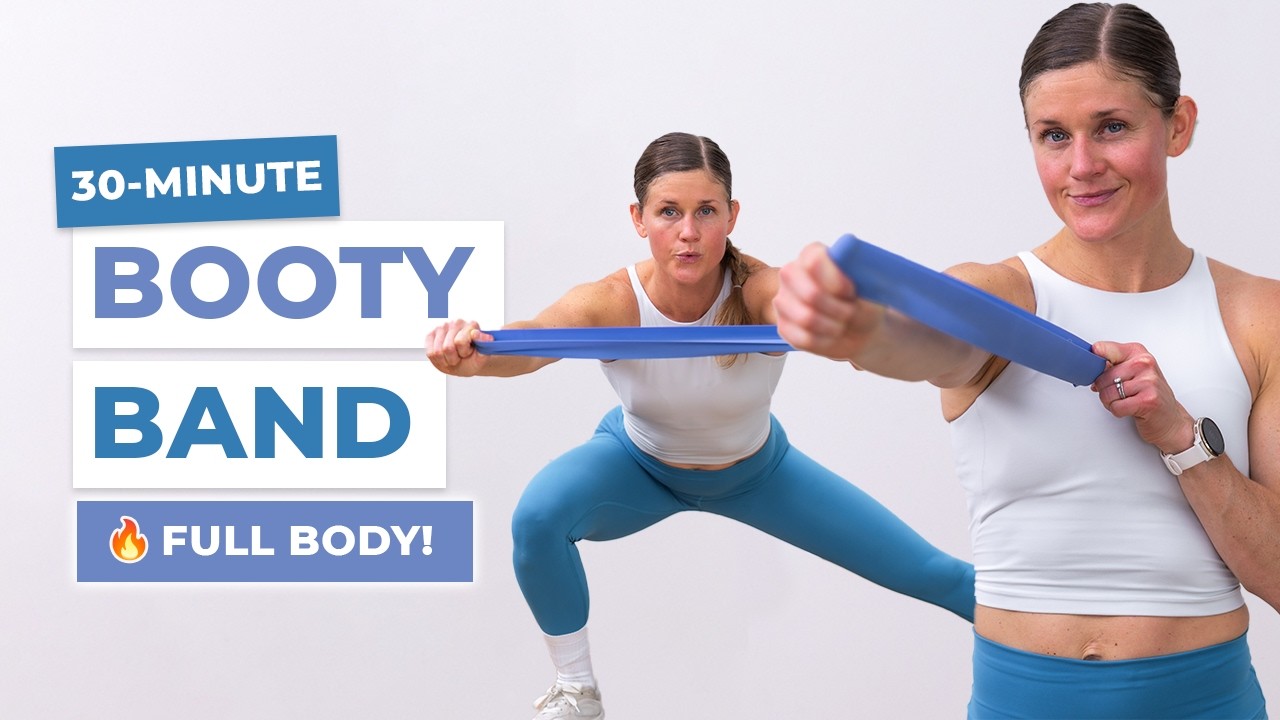
This is a challenging routine from personal trainer Lindsey Bomgren, which involves your body weight and a mini band. Combining strength and power moves in circuits, there is also a warm-up and cool-down, and modified exercises are shown, too.
Thank goodness, as the full push-ups and toe taps are beyond my capabilities right now. You’ll be ‘glowing’ doing this one.
25-minute Full Body Resistance Band Workout
Full Body Resistance Band Workout to Tone Women Over 40 – YouTube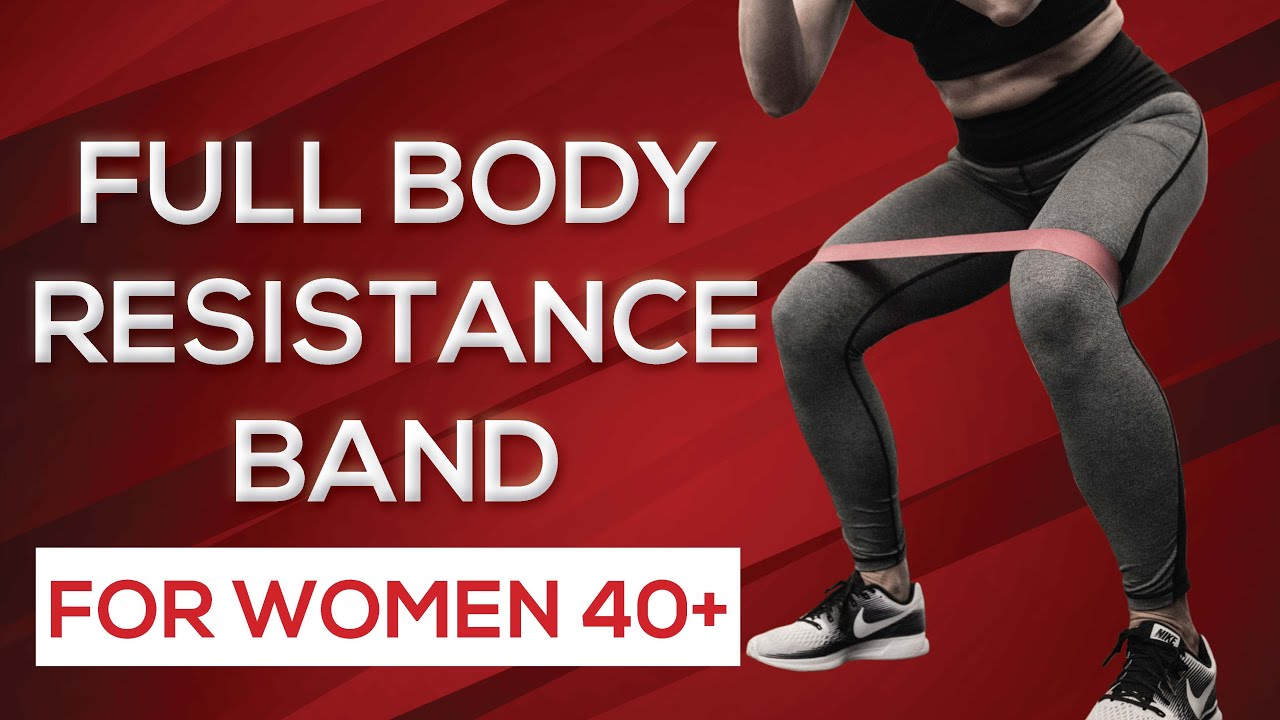
I’ve loved doing this low-impact workout by personal trainer PJ, who specialises in workouts for the 40-plus. It begins with a warm-up minus the resistance band, or “booty band” as she calls it.
There are seven moves with time between each to get yourself sorted. Ideal for mornings or a lunchtime reset. She has dozens of videos on her Fitness With PJ site arranged by type, length, and muscle group.
5-minute arm workout
5 Minute Tone Your Arm Workout Over 40 [Resistance Band Workout] – YouTube![5 Minute Tone Your Arm Workout Over 40 [Resistance Band Workout] - YouTube](https://www.vitaminrush.com/wp-content/uploads/2026/04/1775805436_252_maxresdefault.jpg)
Aimed at those over 40, this is a quick but effective workout from PT Tracy Campoli. You’ll feel your biceps and triceps working with plenty of pulsing and a wide range of movement. Perfect when you are short on time. There are more health and wellness tips on her YouTube page.
Tips for using resistance bandsSlow down: “Move slowly into range rather than forcing a stretch, combine movement with breathing to help the body relax and work within a comfortable range, not pain,” says Craig.Posture first: “Keep your shoulders relaxed, your core gently engaged, and your movements small and precise. It’s not about stretching the band as far as possible. It’s about creating steady, manageable tension,” says Emma.Don’t overstretch: “If the band feels like it’s pulling you out of position, the resistance is probably too strong for that particular exercise. Listen to your body. You should feel muscles working, but you shouldn’t feel pain in your joints or sharp discomfort,” advises Emma.Be comfortable: If you aren’t going to be jumping around, wear clothes that are soft and supportive rather than constrictive, such as a pair of the best workout leggings. Same with a sports bra. Boobydoo breaks sports bras down into activities. The more comfortable you are, the more likely you are to enjoy the workout.Start small: “Five minutes is a good starting point, but for meaningful strength and physical change, you’re looking at 15 to 30 minutes per session. Two to four times a week works well. Ideally, this is part of a broader approach that includes weight-based strength training,” says Kate