Not long ago, sports supplements felt like the preserve of bodybuilders and elite athletes – all protein shakers, pre-workouts and gym-floor jargon. For many women, they sat firmly in the “not for me” category. But now, the landscape looks very different.
The global women’s sports supplement market has grown rapidly in recent years and is projected to reach $55.4 billion by 2036. No longer a niche corner of the wellness world, it’s now big business – reflecting a renewed focus on performance-led training, alongside a broader shift towards ‘wellbeing optimisation’.
Supplement overload
As a beauty and wellness journalist, my inbox is inundated with new supplements that promise everything from better energy to faster recovery. But more choice hasnt necessarily brought more clarity. According to in-store analysis from Holland & Barrett, shoppers now spend longer browsing sports supplements than any other category – a sign of growing interest, but also uncertainty.
 © Getty ImagesSupplements are part of many of our routines – but are we taking the right ones?
A 2025 survey commissioned by Lidl tells a similar story, with 80% of women saying they’ve never received guidance on how to properly fuel their bodies for exercise. “More women are asking about supplements now than ever,” says personal trainer and women’s health coach Aimee Victoria Long. “But the conversation has shifted – it’s less about quick fixes and fat burners, and more about performance, recovery, energy, strength and body composition.”
Still, for all the noise, the question remains: which supplements actually make a difference?
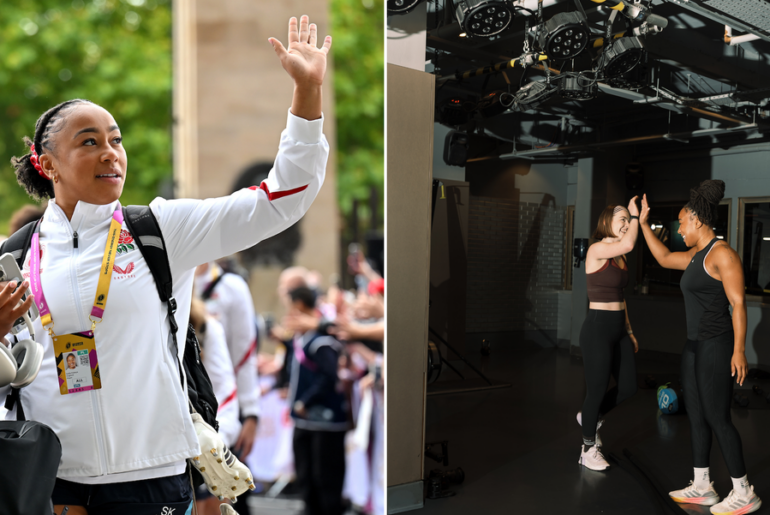
 © Aimee Victoria LongAimee Victoria Long shares her advice
Do women need supplements for performance and recovery?
“Performance support is one of the instances where supplements can add great value,” says nutritionist and founder of Artah, Rhian Stephenson. “When you’re training regularly, the body’s demands increase – not just in terms of energy, but also nutrient intake, recovery, immune support and muscle repair.”
 Rhian Stephenson shares her thoughts on the supplements we truly need
This is further compounded by the fact that many women are already falling short on key nutrients. “Women in the UK are struggling to meet the recommended dietary allowance of several micronutrients from food alone – including magnesium and potassium, which are essential for performance,” adds Stephenson. “So, putting more strain on the body through heavy training without adding support can backfire.”
Supplements aren’t a shortcut
However, supplements are not a shortcut. “They can make a noticeable difference, but only when the basics are already in place,” says Long. If you’re under-eating, sleeping poorly or inconsistent with training, they’re unlikely to move the needle. “Supplements are the extra five to ten percent, not the foundation that everything should be built on.”
For those already training consistently and eating well, both experts agree that a few well-chosen additions can support recovery, improve performance and help make daily protein targets more manageable – ultimately contributing to better energy and consistency over time.
 © Getty ImagesCan supplements support an active lifestyle?
The best sports supplements for women to support performance and recovery
If you are going to supplement, simplicity is key. “You don’t need a huge stack to get results,” says Long. Instead, both experts recommend focusing on a handful of well-researched, functional additions that support (rather than replace) a balanced diet and consistent training routine.
1. Creatine
“Creatine is one of the most well-researched supplements we have,” says Long, noting its ability to support strength, performance and recovery. Stephenson agrees, pointing to its role in energy production. By helping to regenerate ATP (the body’s primary energy source), creatine can improve output during high-intensity exercise, while also supporting recovery. Emerging research also suggests wider benefits, from cognitive function (especially under stress and fatigue) to hormonal health.
Importantly, it’s not just for men. Women naturally produce and store less creatine, meaning supplementation can be particularly impactful – especially for those training regularly or following a plant-based diet. It may also become increasingly beneficial in midlife, helping to support muscle mass, energy and recovery as hormonal changes begin. “Personally, I’ve found it transformational,” adds Stephenson.
2. Protein
“Protein intake is extremely important,” says Stephenson. “It supports repair, adaptation and muscle maintenance” While general guidance sits at around 0.75g per kg of body weight per day, requirements rise with activity, with most experts recommending closer to 1.2–1.6g per kg to support performance (for example, if you weigh 60kg, that’s roughly 72–96g per day).
Where supplements come in is practicality. For those struggling to meet those targets through diet alone, a protein powder can help bridge the gap. “A shake isn’t magic,” says Long, “but it’s an easy way to make daily intake more manageable.” If you’re already hitting your protein requirements through whole foods, however, there’s little to be gained from adding more.
3. Magnesium
Involved in hundreds of biochemical processes, magnesium plays a key role in energy production and neuromuscular function. “It helps maintain performance while also supporting muscle relaxation, protein synthesis and post-exercise soreness for a better recovery,” says Stephenson. “Women aren’t getting enough magnesium from diet alone, so while it’s important to increase dietary intake, using a supplement to top up and meet training needs can be smart.
4. Vitamin D3
“It’s also worth mentioning Vitamin D3 – which we should all be supplementing (whether we’re training or not) – which will support immune, hormone, and muscle function,” adds Stephenson.
What sports supplement, if any, can women skip?
Interestingly, Stephenson flags that most of us don’t need traditional electrolytes, which are extremely high in sodium. “As a population, we already get 140% of the maximum upper limit of sodium – so adding a high sodium electrolyte, regardless of whether you’re training or not, is only called for when you’re sweating heavily for long periods (typically longer than two hours), especially in heat or humidity.”
Long seconds this adding that electrolytes is only beneficial if someone sweats a lot, trains intensely or does longer sessions. If this does resonate, Stephenson recommends opting for lower-sodium blends such as Artah’s Cellular Hydration which has added vitamin C and adaptogens. “In our clinical study, Cellular Hydration improved athletic performance and recovery, despite being low sodium.”
The biggest supplement mistakes women make when training
“I see a lot of women prioritising a protein powder, collagen or high-sodium electrolytes over anything else,” says Stephenson. “Protein powders can be helpful, but with a little planning, it’s not too difficult to get enough through diet – and we really don’t need more sodium as a first port of call.” Instead, she points to more targeted additions (such as creatine or magnesium) as often being more effective.
According to Long, the most common missteps are less about what’s being taken, and more about what’s missing. Under-eating, particularly around training, remains one of the biggest issues, alongside a reluctance to properly fuel workouts with carbohydrates. “Many women rely on supplements while overlooking sleep, stress and overall nutrition, or turn to pre-workouts to push through fatigue rather than addressing the underlying cause.” Both experts emphasise that supplements are just that – an addition to a healthy lifestyle.
 © Getty ImagesThere are supplements we need when training
What to prioritise before you start supplementing
“Supplements can make a noticeable difference, but only when the basics are already in place,” reiterates Long. In practice, that means consistency both in how you train and how you fuel.
“A solid programme done consistently beats any supplement,” she explains. Eating enough to support your activity levels is equally important, with low energy often a fuelling issue rather than a supplement one. Protein intake should be sufficient to support recovery and progress, while carbohydrates remain one of the biggest drivers of training performance and output.
Sleep, hydration and stress all play a role, too. “Even mild dehydration can affect performance and recovery,” says Long, adding that poor sleep or consistently high stress will quickly undermine any progress. Get those foundations right first, and supplements can then play a useful supporting role. Skip them, and even the most well-formulated stack is unlikely to make a meaningful difference.
Regarding formulation, always read the label carefully. Opting for capsules filled with powder is often preferable, as they tend to be closer to a ‘food state’, while heavily compressed tablets can contain fillers and be harder to digest.