 4 min read
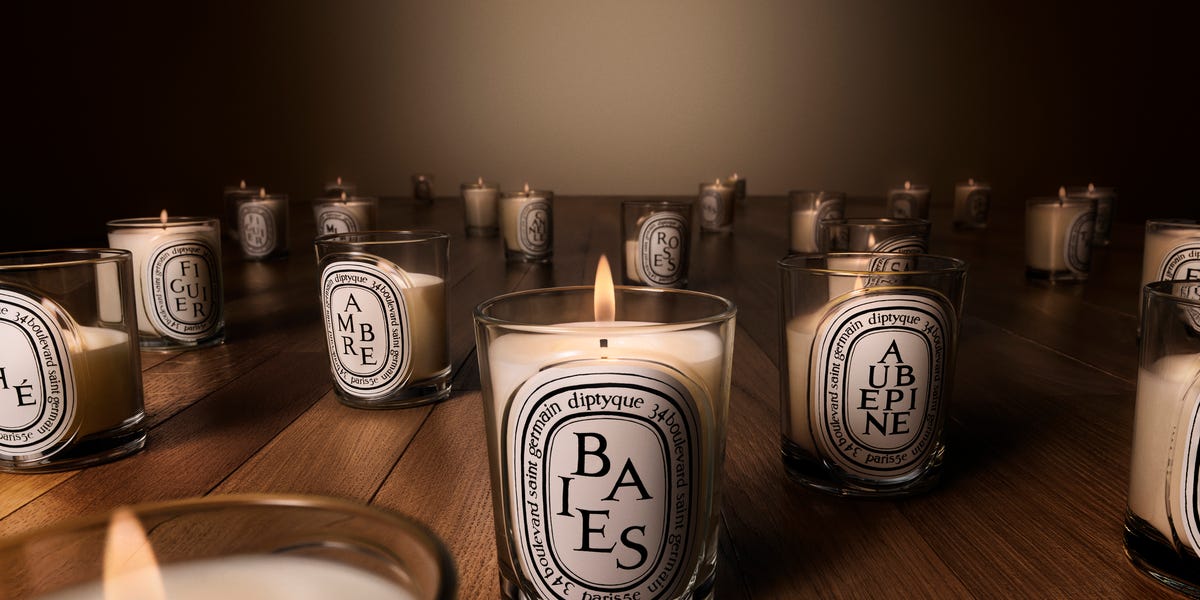
You smell Diptyque’s iconic candles before even opening the box, a quiet testament to the house’s penchant for thoughtfully crafted scents. A brand built on scent is how the French maison is remembered today, but its genesis begins with something far less obvious: friendship.
Founded in 1961 by three artist friends—Desmond Knox-Leet, Christiane Montadre-Gautrot, and Yves Coueslant—the original Boulevard Saint-Germain boutique in Paris was a curated bazaar of objects, each culled from their travels with an exacting eye. Fragrance wasn’t always the point, but it eventually became the house’s most recognized language. Still, at Diptyque, creation is the true core—reimagination follows suit. It’s this discipline that allows the house to look backward without standing still, and the reason no one minds their rooms smelling like berries (Baies), roses, or fig (Figuier). Diptyque’s offerings feel deceptively simple but are shaped by noses fluent in Diptyque’s balance between reinvention and restraint. For 2026, that tension manifests through new candle scents, entrusted to perfumers Alexandra Carlin and Olivia Giacobetti.
This April, the duo expands Diptyque’s classic candle collection with five new permanent fragrances that deepen the house’s olfactive garden. The process began with a few essential questions: What to preserve? What to refine? What to leave behind? For Carlin, who designed three of the five new candles in the herbarium range, the focus was less on reinvention. “To me, creating three of these new scents feels more like a natural continuation—an organic extension of the timeless line. My formulas are simple but not simplistic, rooted in naturalism, yet always driven by contrast and addiction,” she explains. Inspiration struck not only in working with each note, but also within the pages of Diptyque by Elisabeth de Feydeau, a book about the founding and founders of the fragrance house, which also serves as an internal touchstone for Diptyque and its perfumers.
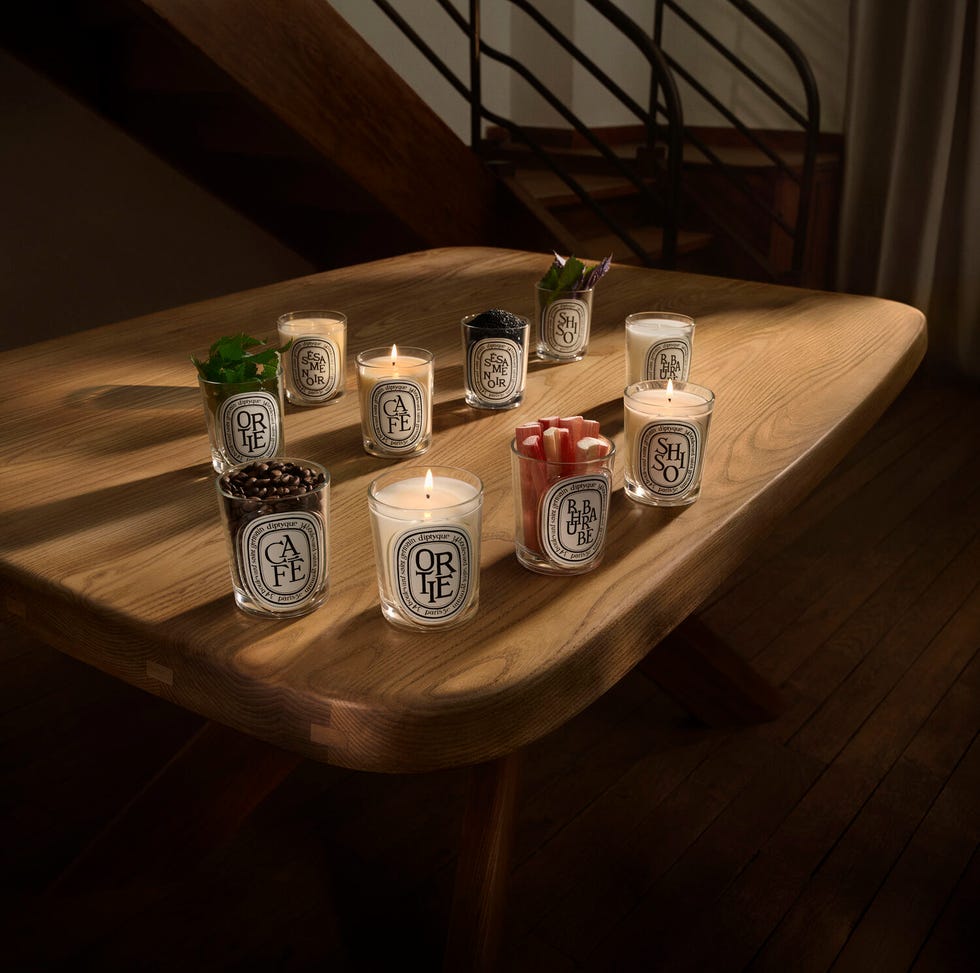 Courtesy of Diptyque
The new classic candles.
“Each time I read it, I find new essential details on the founders’ vision, taste, and brand DNA. From there, it inspired the olfactive memory and sensations I wanted to express,” she adds. Naturalism, in Carlin’s world, smells like Sesame Noir—with what she calls an “addictive bitterness”—an aroma lifted by the char of black sesame seeds and layered with comforting woody and nutty accords (hazelnut included).
Shiso, another scent in the Herbarium range, was inspired by the Japanese herb and is composed of earthy nuances, greeting the nose with a spicy herbal edge before softening, courtesy of its almond note. It was one of the scents Carlin found most difficult to translate into wax form. “It’s very complex and contrasting. I had to keep returning to the market to buy fresh leaves over the course of several weeks to smell them and translate their green, crisp, almondy, and spicy facets.”
Another challenge: Rhubarbe (rhubarb), a distinct balancing act where Carlin weighed its fruity acidity against the sharp greenery. “Rhubarb is a scent that can’t be extracted as an individual note. I really wanted to capture both the vibrant, effervescent, sparkling side and its earthy, jammy facets. The technical challenge was that all facets needed to be perceptible in the wax, whether cold or when it’s burning,” she explains. What ultimately came out on top? Color, actually—something “pink and green, fizzy and deep in its nature,” as Carlin describes it. Giacobetti crafted the remaining two: Café (Coffee), built around fresh coffee grounds and warmed with woods, and Ortie (Nettle), an earthy and fresh take on its namesake herb, with a hint of citrus.
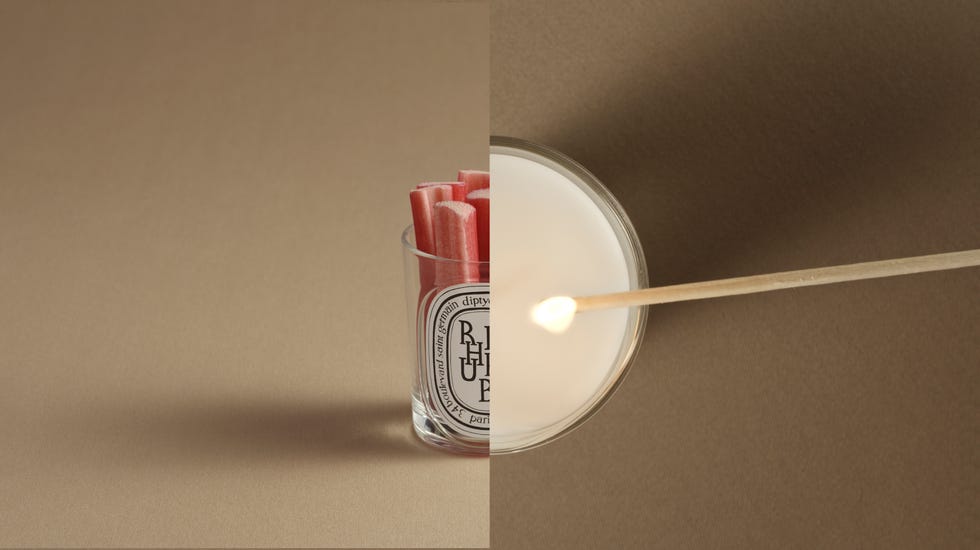 Courtesy of Diptyque
Rhubarbe, a new scent.
Diptyque’s 2026 expansion also takes shape through three additional expressions, including a redesign of the classic candle, led by Franco-Swiss designer Julie Richoz. To the naked eye, its visual cues appear almost untouched. Look closer, and the iconic oval label reveals a subtly raised, ridged border, while the vessel itself takes on a more contoured form. While the sharp, puzzle-like lettering remains, it has been refined to preserve the original typography of Knox-Leet with greater precision.
Function, too, has always been part of Diptyque’s craft. This fall, the house will introduce a refill system designed to extend each candle’s life, beginning with 10 of its most classic scents. Even the vessel has been reconsidered, with its weight reduced by 10 percent, resulting in a reported 22 percent reduction in carbon footprint from the first refill.
Finally, a new collection of “decorative objects” brings the story back to where it began: thoughtfully made pieces meant to be lived with and admired. The offerings include candle accessories and décor in borosilicate glass and biscuit porcelain—matchboxes included, of course. Gird your loins: Diptyque’s newest classic candles—Shiso, Rhubarbe, Sesame Noir, Ortie, and Café—will be available starting April 16.