Men’s Fitness aims to feature only the best products and services. If you buy something via one of our links, we may earn a commission.
The fitness industry is moving away from simple transactions and toward something deeper. The brands gaining traction right now are not just selling workouts, apparel, or supplements. They are building communities that people want to be part of.
MINTED New YorkMINTED New York
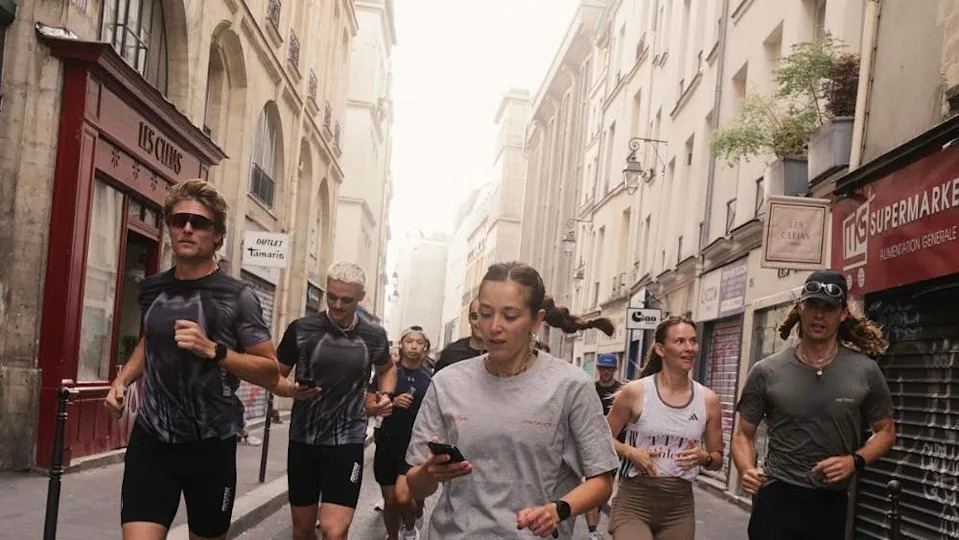
You are seeing this clearly with emerging labels like Minted New York. While still growing, the brand leans heavily into identity and culture rather than just product. It is not simply about what you wear, it is about what you represent when you wear it. They host pop ups that bring the community into a physical space, and that in person element strengthens the connection. The brand attracts a certain cult following, people who understand the aesthetic, the tone, and what it signals. That alignment creates a deeper connection, where customers feel like they are part of something, not just buying into it.
That shift is happening because behavior is changing. Training alone has limits. When someone feels connected to a group, whether it is a run club or lifting crew, consistency improves. Accountability becomes built in. Showing up is no longer just about discipline, it is about identity.
Even legacy brands are struggling to adapt to this shift. Nike made a push into boutique fitness with its studio concept, but ultimately shut those locations down. It is a reminder that scale alone does not create community. If anything, being too large can make it harder to build the kind of tight knit culture people are actually looking for.
There is also a strong identity layer driving this trend. The brands people align with tend to reflect how they see themselves, or how they want to be seen. BPN is a clear example of this. It is not just about supplements, it is about a way of operating. The messaging, the content, the events, all reinforce a specific standard and mindset.
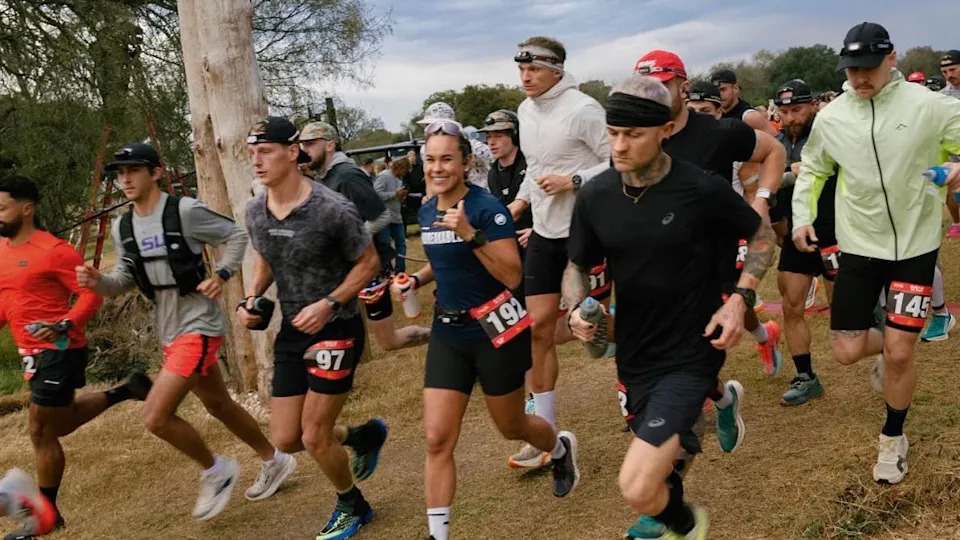
BPN Survive The NightBPN Survive The Night
You can recognize it in small details. Someone with a “one more go” hat tossed in the backseat of their Tacoma is not just repping a product, they are signaling how they approach training and life. Those boys get after it.
That is where these brands separate themselves. They are not just selling something you use, they are building something you identify with.
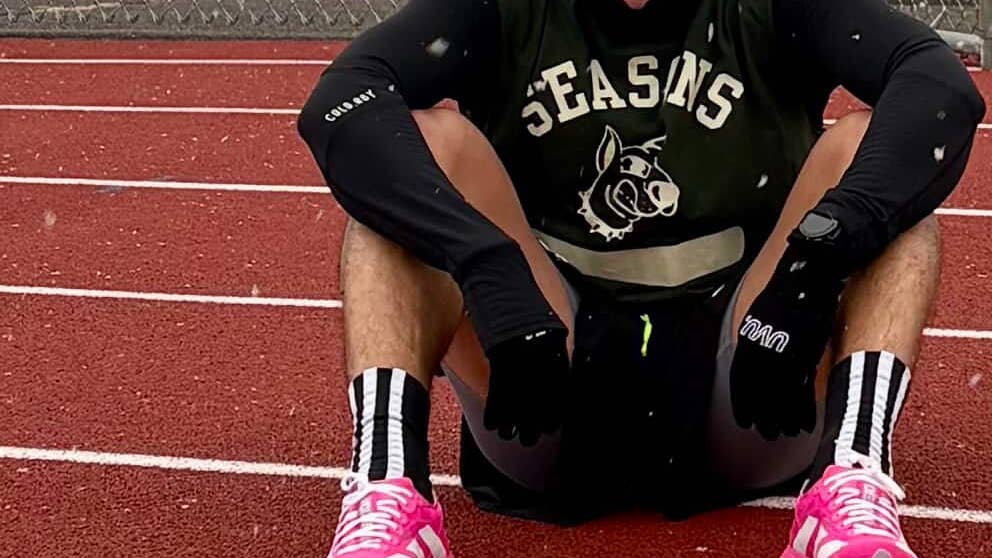
At the local level, this becomes even more clear. Brands like The Seasons Club show how communities are forming around exclusivity, especially in places like Washington DC and Arlington. Run clubs and training concepts are growing quickly becoming niche, they provide belonging and structure. This is where concepts like The Seasons Club stand out, reflecting the energy of the area in a way that feels intentional and curated. There is a level of sophistication to it, almost a sense of pretentiousness, but that is part of the appeal. It becomes a “flex”.It’s if you know, you know. You see someone in a TSC sweatsuit, you know what type of time they’re on.
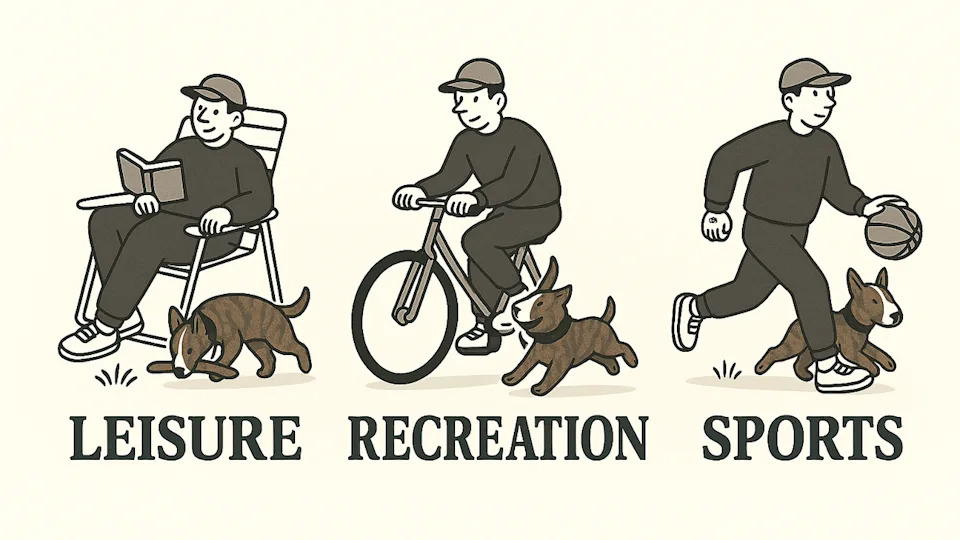
From a business standpoint, this model is hard to beat. Community driven brands retain customers longer, increase lifetime value, and grow through word of mouth rather than pure ad spend. People are not just buying in, they are buying into something.
The future of fitness is not just about better products or smarter programming.
It is about building environments people want to belong to!
And the brands that understand that are the ones pulling ahead.
This story was originally published by Men’s Fitness on Apr 10, 2026, where it first appeared in the News section. Add Men’s Fitness as a Preferred Source by clicking here.