Garmin has been suspiciously quiet so far in 2026, a stark contrast to last year, when the brand was on a mission to launch a new product every week. That might be an exaggeration, but being the person in charge of testing Garmin watches, I was pretty busy in 2025.
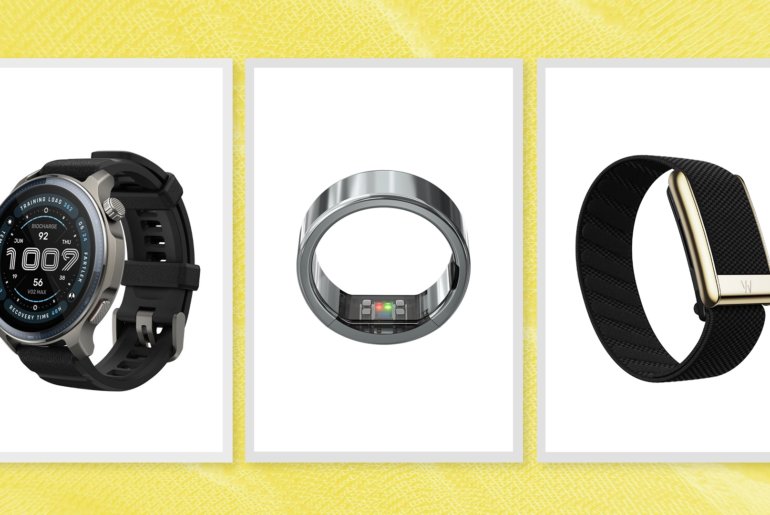
This year, however, we have mostly had rumours. Everyone’s talking about the Cirqua band, the new screenless wearable, which may or may not launch soon. A Whoop-rival band is right on trend, with more people looking for less distracting wearables to track their health and fitness.
Article continues below
You may like
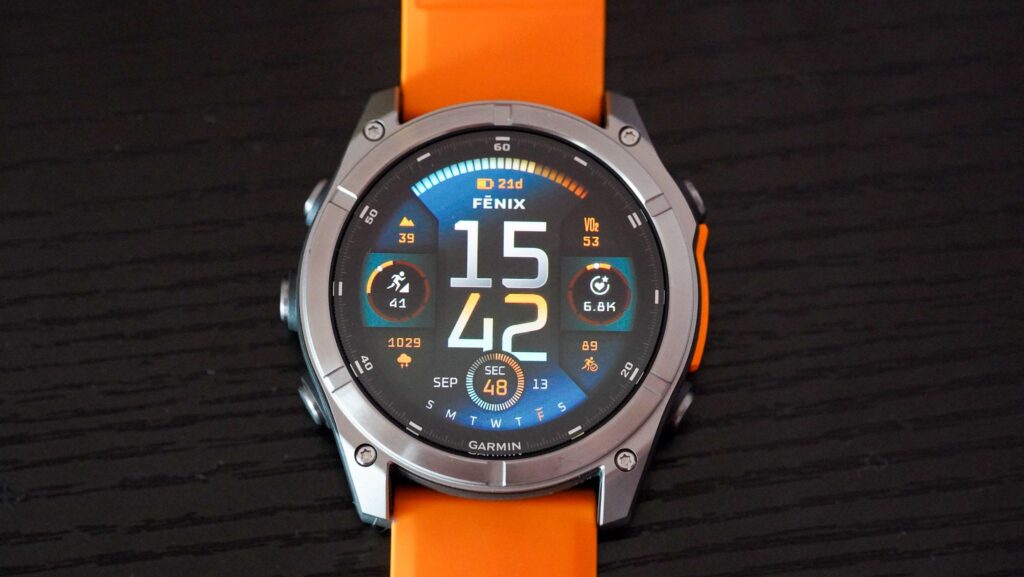
Fenix 8 Pro: MicroLED magic
(Image credit: Matt Kollat)
It would make sense for Garmin to launch the Fenix 9 with a MicroLED option, but what I’m more interested in is longevity. Even though MicroLED isn’t supposed to drain power, the Fenix 8 Pro offered the shortest runtime of any recent Fenix model.
Even AMOLED Fenix models have shorter battery life than their MIP counterparts, especially those with solar charging. If Garmin could find a way to marry an AMOLED Fenix with its Power Glass technology, that would be a game-changer.
Garmin’s secret weapon for endurance
For the uninitiated, Power Glass is Garmin’s take on solar charging. It’s a transparent layer built into the display that harvests sunlight and turns it into extra runtime, helping compatible watches last significantly longer between charges.
It’s not a cheap technology, and it can’t outpace the battery drain of AMOLED panels, which is why Garmin hasn’t launched an AMOLED + Power Glass watch – yet. It’s been years, though, since we’ve seen a major upgrade to the Power Glass, so it wouldn’t be unimaginable to see a new version launch on the Fenix 9.
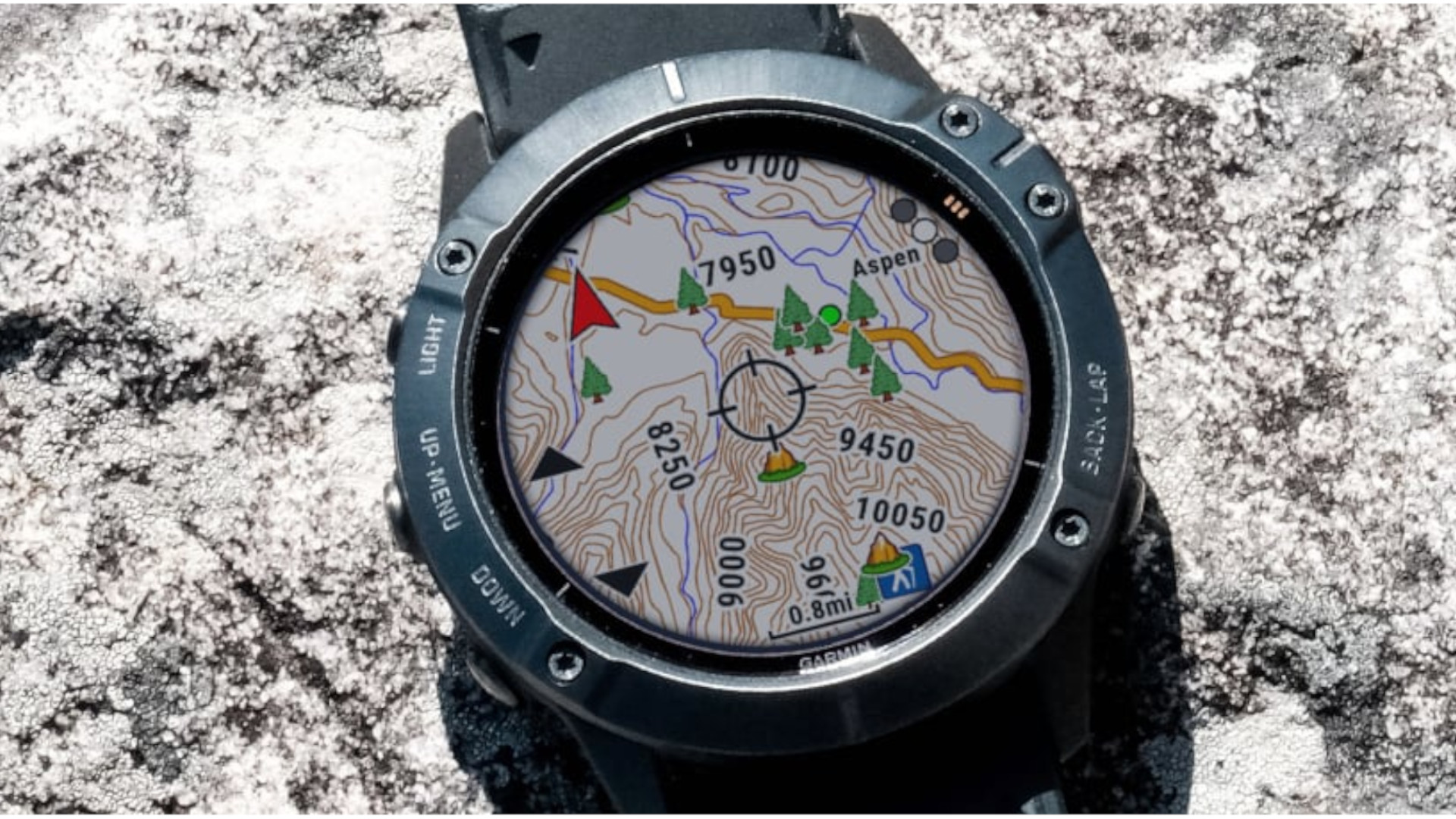
The Fenix 6 Pro already had Power Glass
(Image credit: Garmin)
Garmin operates similarly to Apple, often leading with new innovations while the rest of the industry follows a few years behind. For example, most companies have only recently started adding physical LED lights to their watches, even though Garmin has had this feature for years.
A smarter, faster Fenix
We may or may not see the Power Glass on the Fenix 9, but rumour has it that there are other new features coming. Garmin is expected to continue pushing MicroLED, but in a more mature form than what we saw on the Fenix 8 Pro. That likely means a thinner build and better power management.
The Fenix 9 is widely expected to get a long-overdue processor upgrade. The company has been using variations of the same chipset for a while, so a new platform could bring faster performance, smoother mapping and improved efficiency across the board.
What to read next
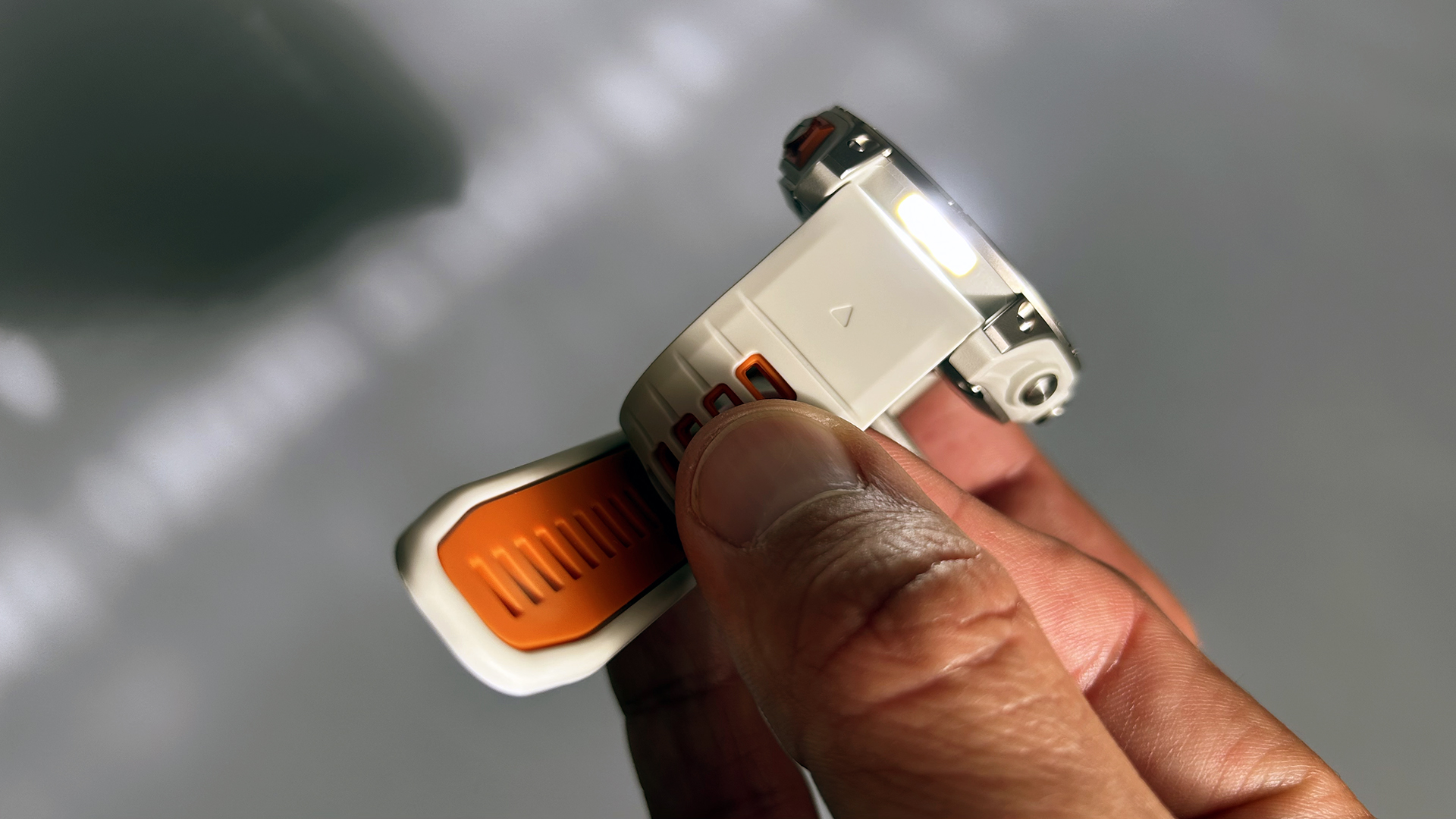
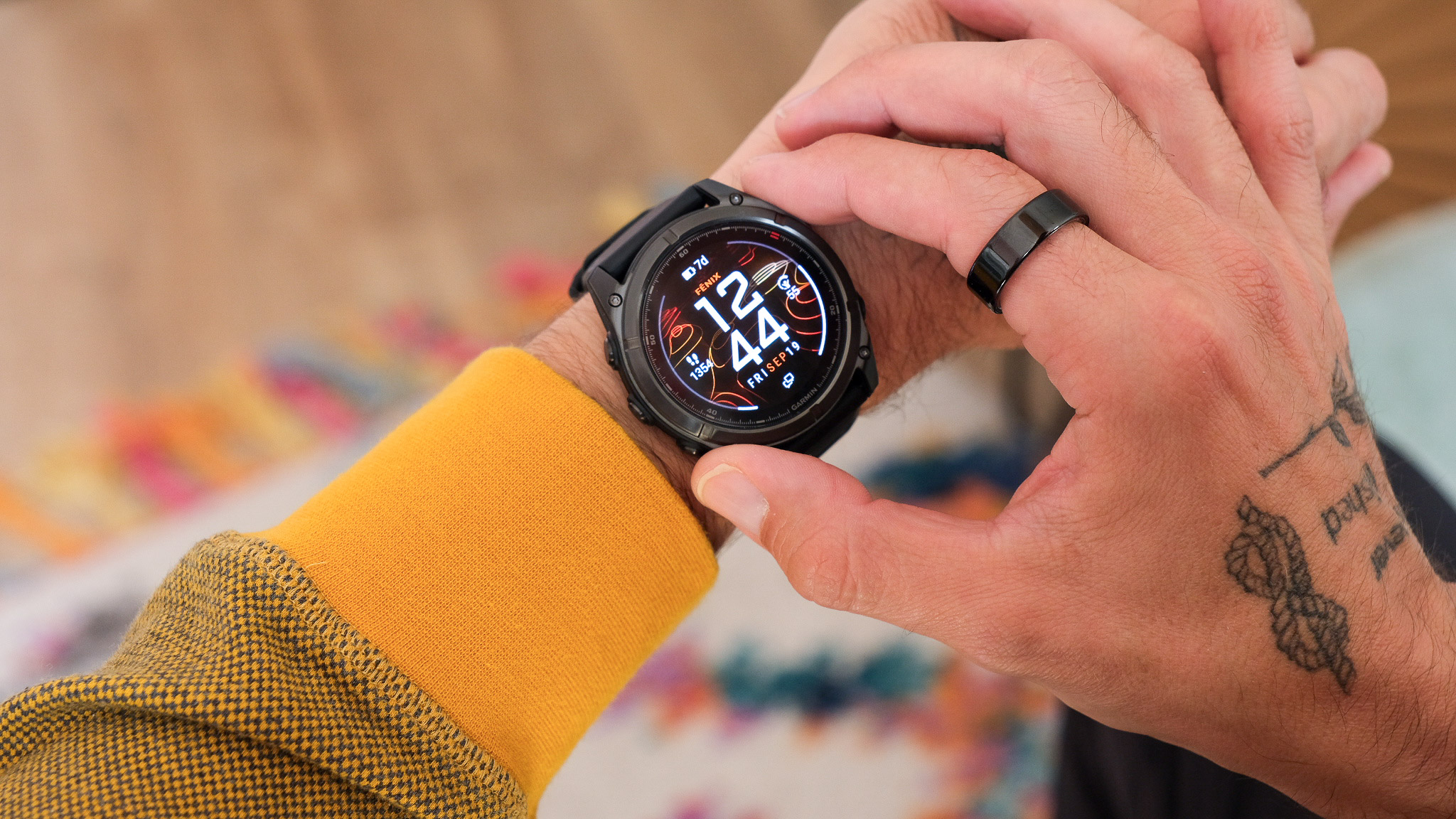
Built-in LED torch on the Fenix 7 Pro: lightyears ahead
(Image credit: Matt Kollat/T3)
Health and fitness tracking will likely see more incremental improvements rather than headline-grabbing features. A next-generation heart rate sensor is expected, alongside continued work on more advanced insights around recovery and overall health trends.
Garmin has also been investing heavily in its software ecosystem, so more personalised coaching, smarter training recommendations and deeper integration with its Connect platform are all on the cards.
Beyond that, improved multi-band GPS performance, smarter satellite connectivity and small design tweaks, including the possibility of a thinner case or new input methods, have all been mentioned.
The real reason to wait for Fenix 9
For me, though, the biggest upgrade would be the Power Glass update. I can only assume the price will be astronomical, but if the Fenix 9 can crack the AMOLED/Power Glass conundrum, that’d be worth the money.
The Garmin Fenix 9 is expected to land in the second half of 2026, most likely around late summer.
Today’s best Garmin Fenix deals