




Last Updated:April 10, 2026, 13:46 IST
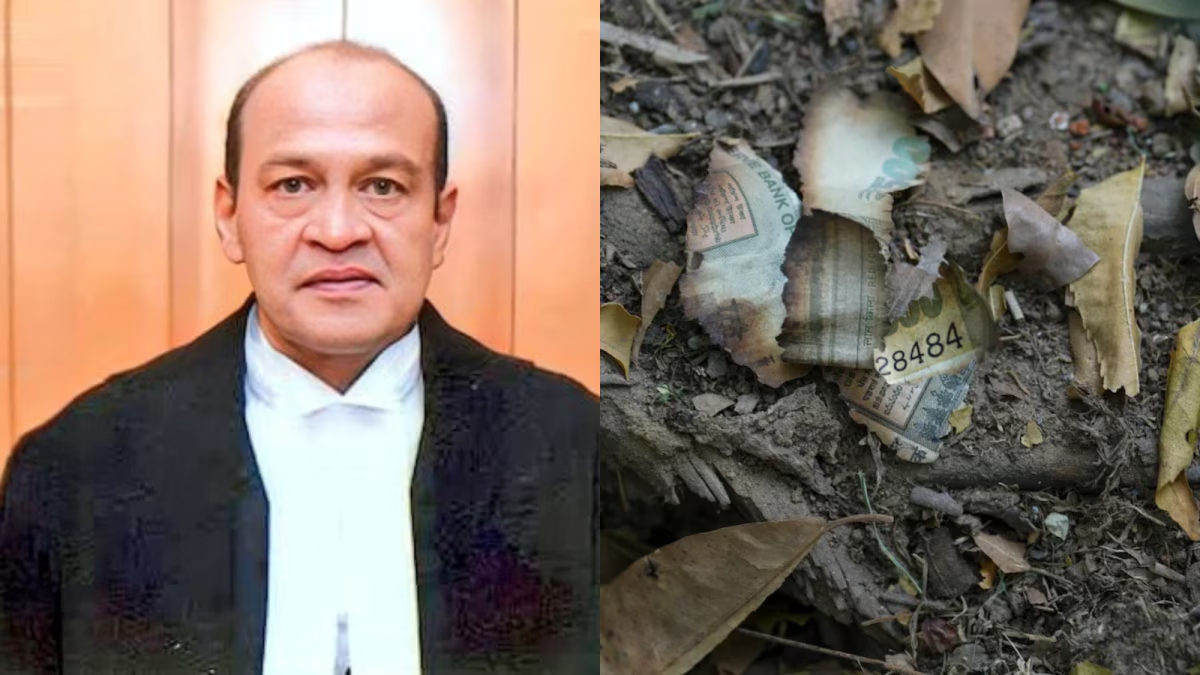
In an unprecedented move that stunned many, Justice Yashwant Varma resigned as a judge of the Allahabad High Court amid an impeachment process to remove him.




Justice Yashwant Varma resigns as Allahabad HC judge amid impeachment process over cash row
In an unprecedented move that stunned many, Justice Yashwant Varma resigned as a judge of the Allahabad High Court amid an impeachment process to remove him, following a massive row over a large stack of cash found at his Delhi-based home last year.
Varma has submitted his resignation to President Droupadi Murmu.
“While I do not propose to burden your august office with the reasons which have constrained me to submit this missive, it is with deep anguish that I hereby tender my resignation from the office of Judge of Hon’ble High Court of Judicature at Allahabad, with immediate effect,” his letter read.
News18 Also Covered: Justice Yashwant Varma Resigns From Allahabad HC After Cash Discovery Row
A TIMELINE OF THE EVENTS
The Cash Controversy
The resignation of Varma, a former Delhi High Court Judge, stems from a massive controversy after stacks of cash were found at his Delhi-based residence following a massive fire in March last year.
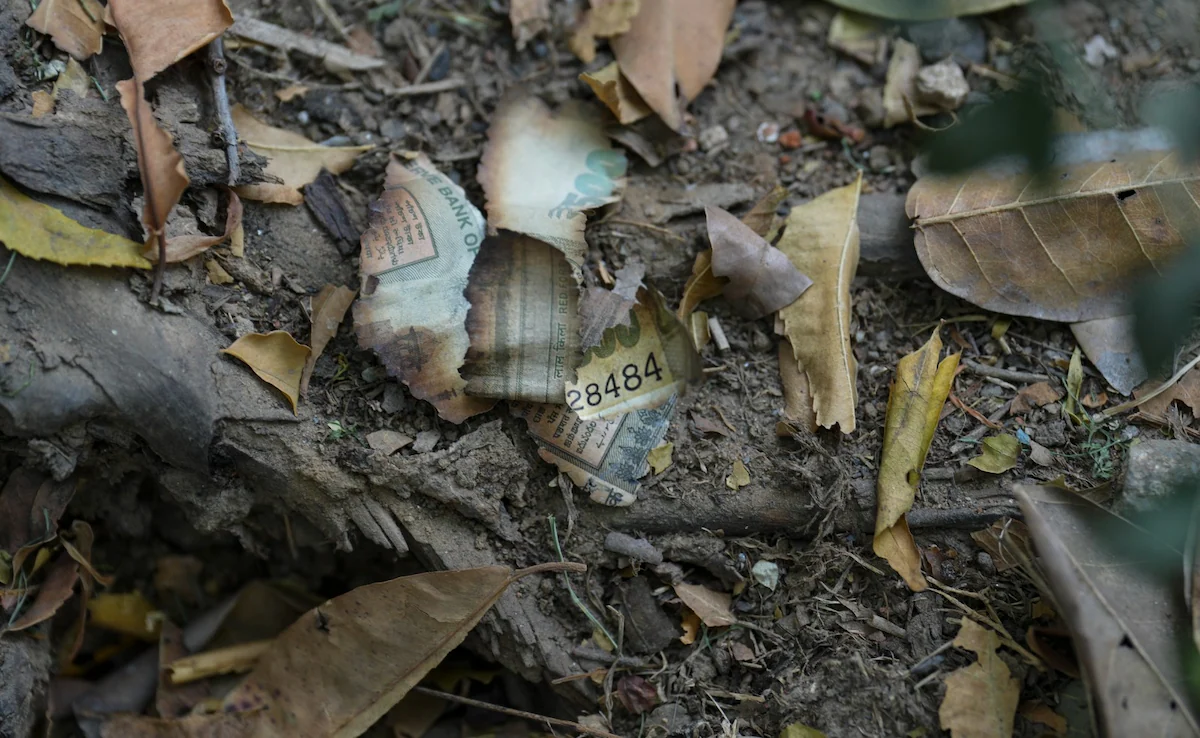 Image credit: PTI
On March 22, the then Chief Justice, Sanjiv Khanna, took cognizance of the matter and formed a three-member panel to investigate the allegations.
Justice Varma, however, denied allegations and maintained no cash was recovered from his house. He added that none of his family members was involved in moving anything from the gutted storeroom.
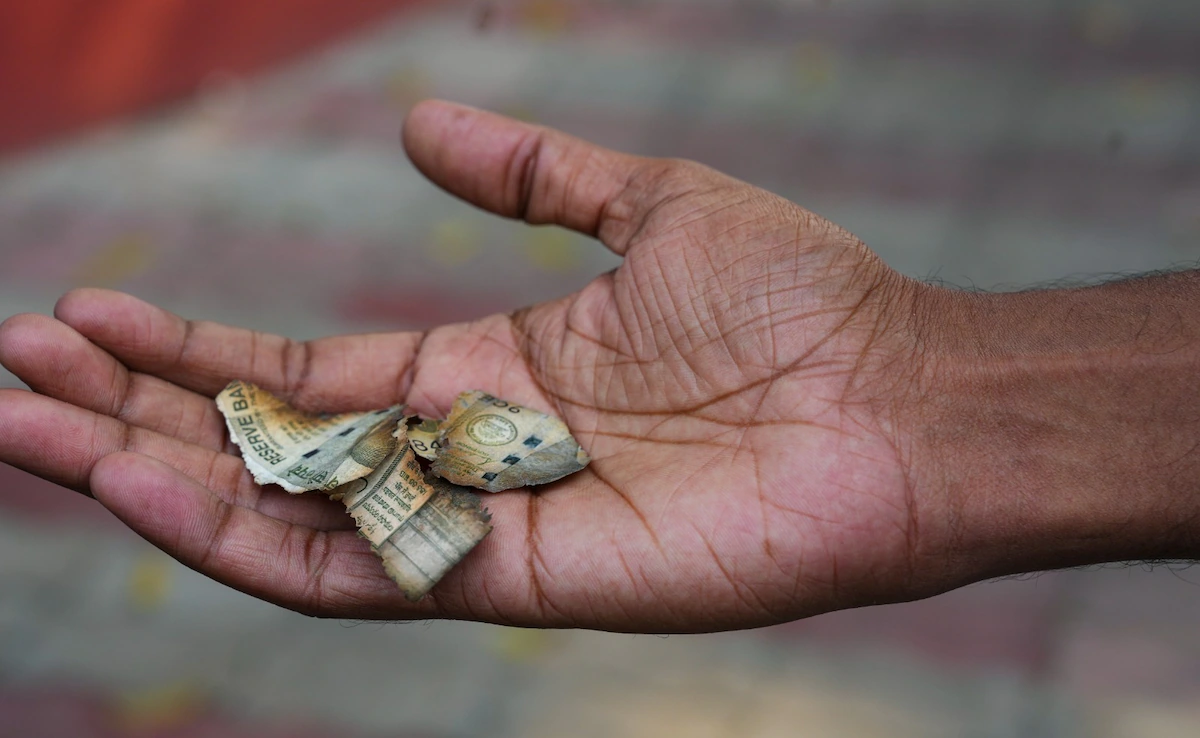 Image credit: PTI
On March 24, the Supreme Court transferred Justice Varma to the Allahabad High Court, issuing directions to its Chief Justice against assigning him any judicial responsibilities.
On May 3, the top court panel found Varma guilt of misconduct and recommended his removal. As Justice Varma refused to step down, the CJI wrote to President Droupadi Murmu and Prime Minister Narendra Modi, seeking his impeachment.
The Impeachment Process Begins
On July 3, 2025, the government initiated the process of collecting signatures for a motion to remove Justice Varma, as most of the prominent political parties have accepted to back the motion.
In August 2025, Lok Sabha Speaker Om Birla formed a three-member panel under the Judged (Inquiry) Act, 1968, to investigate the allegations. The committee includes ustice Aravind Kumar of the Supreme Court, Justice Maninder Mohan, Chief Justice of the Madras High Court, and senior advocate BV Acharaya.
Justice Varma challenged the validity of the panel before the Supreme Court. However, the apex court rejected his plea, directing the Parliamentary panel to proceed with the inquiry.
It is pertinent to note that no judge has been successfully impeached in India so far.
The Parliament committee was expected to submit its report in the upcoming monsoon session.
Why The 1991 Verdict Is In Focus
In India, judges enjoy high-level immunity from legal proceedings for their official actions to ensure judicial independence — even a Prime Minister or a Member of Parliament (MP) doesn’t enjoy such extensive protection while performing their official duties.
The 1991 Supreme Court verdict granted a virtual immunity to judges of constitutional courts, and ruled that “no criminal case shall be registered against Judge of the High Court, Chief Justice of High Court or Judge of the Supreme Court unless the CJI is consulted”.
“Due regard must be given by the Government to the opinion expressed by the Chief Justice. If the Chief Justice is of opinion that it is not a fit case for proceeding under the Act, the case shall not be registered. If the CJI himself is the person against whom the allegations of criminal misconduct are received the Government shall consult any other Judge or Judges of the SC”, it added.
In Justice Varma’s case, an FIR could be registered against him only when the government consulted with the CJI on the issue.
What Lies Next?
Justice Yashwant Varma’s resignation effectively brings the proceedings initiated under the Judges (Inquiry) Act, 1968 to a halt, bringing an abrupt close to a rare instance of impeachment proceedings against a sitting judge.
Justice Varma’s resignation as a judge at the Allahabad HC removes the constitutional immunity that prohibited direct criminal investigation into the cash row.
While as a sitting judge he was protected by judicial immunity and required Chief Justice of India (CJI) permission for an FIR, as a former judge, he can now be criminally prosecuted.
Handpicked stories, in your inbox
A newsletter with the best of our journalism
submit
First Published:
April 10, 2026, 13:46 IST
News india Yashwant Varma Resigns: Timeline Of the Case, Immunity For Judges And What Happens NextDisclaimer: Comments reflect users’ views, not News18’s. Please keep discussions respectful and constructive. Abusive, defamatory, or illegal comments will be removed. News18 may disable any comment at its discretion. By posting, you agree to our Terms of Use and Privacy Policy.
Read More