Interestingly, the levels of several cytokines changed in relation to how much body temperature rose during sauna bathing. No similar association was observed between white blood cell counts and changes in body temperature
Jari Laukkanen
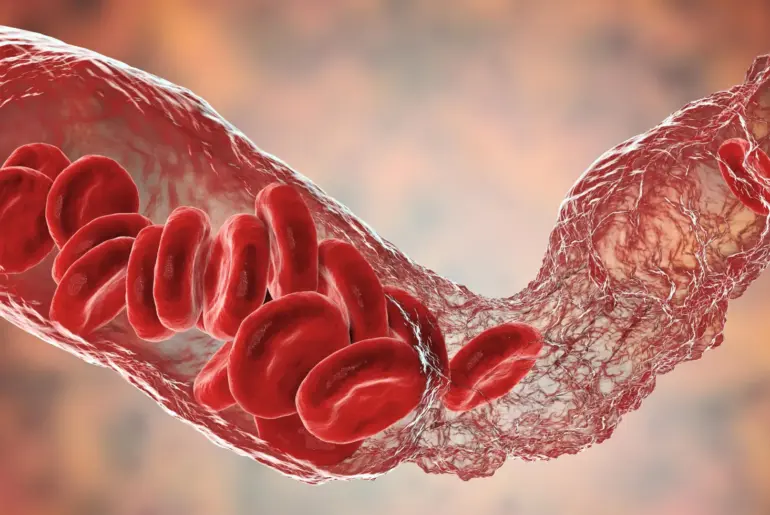
“This may indicate that sauna bathing mobilises additional white blood cells into the bloodstream from tissues, where they are then redeposited after the session. This kind of periodic release of white blood cells into the bloodstream is beneficial, as once they leave their storage sites, they are better able to patrol the body and respond to pathogens,” says Ilkka Heinonen, an Academy Research Fellow at the University of Turku.
The release of white blood cells into the bloodstream, which also occurs, for example, during physical exercise, is the body’s way of enhancing immune surveillance by white blood cells throughout the body, and boosting its immune defence.
In addition to immune cells, the researchers also measured the levels of numerous cytokines, which act as mediators in immune defence. On average, sauna bathing had little effect on circulating cytokine levels.
“Interestingly, however, the levels of several cytokines changed in relation to how much body temperature rose during sauna bathing. No similar association was observed between white blood cell counts and changes in body temperature,” says Professor Jari Laukkanen, who led the study at the University of Eastern Finland.
Regular sauna bathing has been associated with several beneficial health effects, and the new findings may, in part, help explain how these effects develop in the body. However, the researchers emphasise that the study was limited to a single sauna session and its immediate effects. Therefore, no definite conclusions can be drawn about the development of longer-term health effects.
The study involved 51 adults with a mean age of 50 years.
Source: University of Eastern Finland