Robert F. Kennedy Jr. tends to favor health choices he sees as natural — whether that means eating “real food” like meat and vegetables instead of ultra-processed food or suggesting, falsely, that nutrition and vitamins are a good alternative for fighting off measles instead of vaccines.
But there’s at least one area where the health secretary breaks with his own tradition. He’s among the many influential voices in health and wellness in favor of people injecting themselves with experimental drugs known as peptides — much to the concern of mainstream public health experts, who warn that these drugs haven’t been sufficiently studied for efficacy or potential side effects, including higher cancer risk.
With demand for peptides on the rise and would-be self-optimizers seeking out the drugs on gray and black markets, Kennedy said on Joe Rogan’s podcast in February that he thought the Food and Drug Administration would take action within a couple of weeks to make them more accessible. That means reclassifying around 14 drugs so that compounding pharmacies can once again offer them after a 2023 rule change under the Biden administration. “I’m a big fan of peptides,” Kennedy said, having “used them myself to really good effect on a couple of injuries.”
So what to make of the apparent disconnect between Kennedy’s embrace of still-unproven peptides and his constant demands for more research into well-studied vaccines? What might seem at first to be a contradiction is actually a consistent form of the medical libertarianism that has long characterized many Americans’ relationship with health, said Lewis Grossman, a professor of health law at American University’s Washington College of Law and the author of the 2021 book “Choose Your Medicine: Freedom of Therapeutic Choice in America.” (Grossman cites the popular pushback against vitamin regulation in the 1970s as one classic example.)
“Their goal isn’t necessarily to prevent vaccines from being approved in the first place, but rather to get rid of mandates,” said Grossman. “To me, that’s the other side of the coin of, ‘I should be allowed to take anything I want.’”
In that sense, the peptide craze is perfectly in keeping with the strains of individualism that have helped power the Make America Healthy Again movement — and an example of how the modern wellness industry continues to tap into the all-American belief that there is always a healthier, happier self we can optimize our way into.
The health risks of peptides
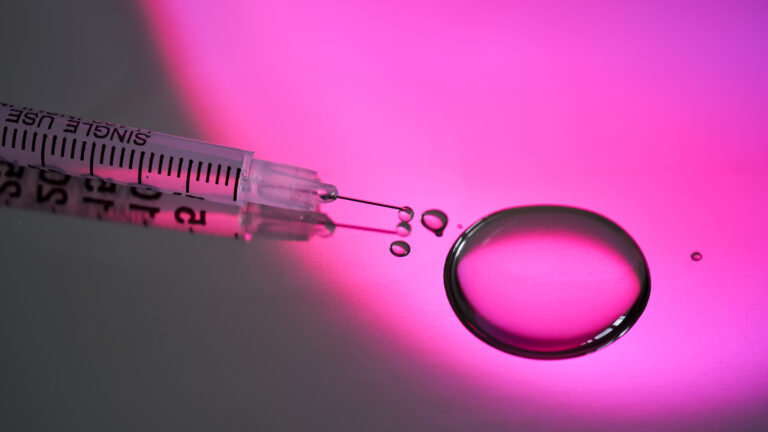
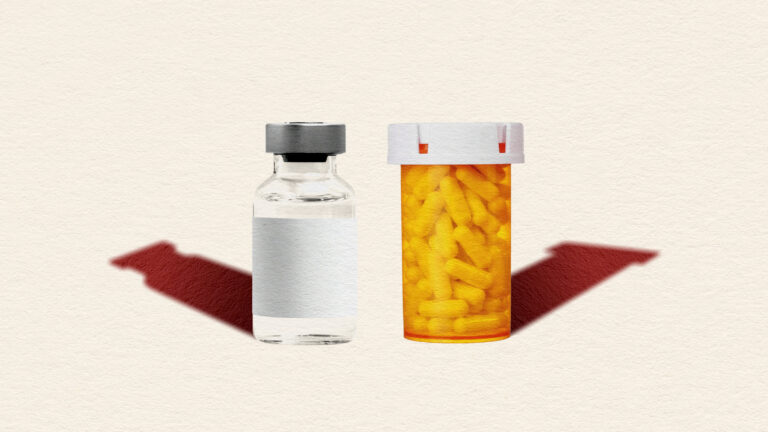
Synthetic peptides are a broad category of short-chain amino acids that includes familiar, well-studied items like insulin and GLP-1 weight loss drugs. But the people who toss the word around today are typically referring to a thicket of newer drugs with catchy names like BPC-157, TB-500, and CJC-1295, most of which have comparatively little research to support boosters’ claims that they can treat injuries and chronic pain, increase muscle, slow down the aging process, and boost energy, too.
Kennedy is just one of the many influential people in the health and wellness world singing their praises. Rogan uses peptides as well, as does biohacker and Kennedy ally Gary Brecka (who sells them in his online shop) and Stanford neurobiologist Andrew Huberman — a podcasting triumvirate that means that chances are good that if you’re a man in America who consumes any fitness and well-being content, you’ve probably heard plenty of peptide endorsements over the past couple years. (Women, including actress and wellness brand Goop founder Gwyneth Paltrow, are getting in on the peptide action too.)
The people touting peptides will say things like, “‘thousands of people have taken these peptides so if they were dangerous, we’d know by now,’” Paul Knoepfler, a professor of cell biology and human anatomy at UC Davis School of Medicine, said via email. “This is a big gamble. For many potential risks from peptide use, signals may not yet be clear. For example, cancer risk may emerge only 3-5 more years down the road or longer.” Most data come from lab studies with animals rather than human trials.
From Croatia to MAHA: How an unapproved drug became the next hot peptide
Cancer risk is one of the concerns frequently mentioned by researchers. “By virtue of inducing broad cell growth, growth hormone related peptides (CJC-1295, Ipamorelin, and Tesamorelin) carry the potential risk of cancer,” cardiologist and longevity expert Eric Topol explained in his Substack newsletter last year.
Other health problems may show up immediately. In one case reported by ProPublica, two women were hospitalized in critical condition after receiving peptide injections at a Las Vegas longevity conference last year. Regulators were unable to determine whether the cause of their illness was the peptides themselves or whether they had been contaminated.
Contamination is another big concern with drugs purchased on the gray and black markets, many of them from Chinese manufacturers, as well as whether the contents of those little vials match what their labels say. (Imports of hormone and peptide compounds from China doubled in the first three quarters of 2025 to $328 million, according to the New York Times.) New York magazine reported that 30% of the peptides tested by the startup Finnrick are “mislabeled, under- or overdosed, or contaminated with toxins or foreign bacteria.”
A brief history of peptides
Not so long ago, peptides were mainly associated with elite athletes. Researcher Luke Turnock first heard about them in the 2010s, when bodybuilders and power lifters scoured obscure websites to source drugs meant to help them heal from injuries or increase muscle.
But in 2020, he ran into a man at a gym who was taking injections of the peptide BPC-157 to treat tennis elbow. His source: Amazon.
“That’s when I realized, this is suddenly way more mainstream,” said Turnock, a senior lecturer in criminology at the University of Lincoln in the U.K. who published a study last year on the “folk pharmacology” of peptide users in online forums. (He notes that Amazon has since cleaned up injectables on its site, though oral BPC-157 is still available.)
Turnock traces the rise of peptides, which can cost anywhere from a couple hundred to thousands per month depending on particular protocols, to a few big changes within the last decade. Health and wellness influencers “really blew up” on social media in the late 2010s, he said, helping to spread the word about peptides and their potential benefits not just for hardcore gym rats but for anyone interested in fitness, anti-aging and well-being.


Sign up for Morning Rounds
Understand how science, health policy, and medicine shape the world every day
Meanwhile, GLP-1 weight loss drugs made people more comfortable with the idea of sticking needles into their bodies, and with getting drugs from compounding pharmacies. (The Biden administration made it illegal for compounding pharmacies to sell 19 peptides in 2023 — that’s the rule Kennedy is looking to change — but they’re still able to sell some other varieties.) And the Covid-19 pandemic also helped popularize self-experimentation with drugs, as hydroxychloroquine and ivermectin emerged as alternative (but ultimately ineffective) ways to counter the virus.
But while some people seek out peptides to treat particular problems like low energy or inflammation, they’re also marketed as a way for the corporeally curious to find out just how good they can feel. “They’re trying to sell this idea of, you take this, and you will be better than well,” said Turnock.
The people pursuing this route, he said, are the ones who engage in the perhaps riskier practices of stacking multiple drugs, which may interact with one another in unknown ways. One popular example is the supposedly healing combination of peptides BPC-157 and TB-500, known as the “Wolverine stack” after the X-Men superhero known for his ability to regrow body parts and recover from gunshot wounds in seconds. The U.S. Anti-Doping Agency banned BPC-157 in 2022, saying that it is “not approved for human clinical use by any global regulatory authority and it may lead to negative health effects.” And Topol notes that TB-500 has been shown to speed up the growth of dormant tumors in animal experiments.
Peptides and the right to self-determination
Part of the pull of “pop peptides,” as Knoepfler calls them, is their promise of autonomy; take the right blend of drugs, along with good nutrition and exercise, and it’s possible to DIY your way into optimal health.
That DIY mentality goes hand in hand with a tendency to prioritize anecdotal experiences — say, “people at the gym are taking BPC-157 and never had trouble” — over clinical trials and other research, he said. That helps explain why warnings about potential risks from peptides may not resonate if people aren’t sharing negative experiences on Reddit, while unfounded fears about links between vaccines and autism can quickly gain traction when worried moms post on social media.
Also of a piece with this attitude is the “right-to-try” philosophy summed up by physician Gabrielle Lyon, whose fan base has a lot of overlap with the MAHA movement, on celebrity fitness trainer Jillian Michaels’ podcast last year while discussing peptides. “I believe people should have physical autonomy. … As long as it doesn’t quote-‘hurt’ them, they should be able to choose.’”
The question, of course, is whether peptides could indeed be hurting people — and there’s not yet enough research to make definitive claims. But the risk-benefit calculations of right to try also depend on context, said Knoepfler. It’s one thing for people to take on unknown risks when they’re dealing with serious, often terminal illnesses; another when they’re in overall stable health. Under Kennedy, however, “the FDA is in the strange position of both having to still do its jobs such as properly enforcing regulations and laws, but also soon to open the door to unproven things like peptides and stem cells,” he said.
To be clear, Kennedy hasn’t dismissed all concerns about peptides out of hand. “They’re still looking at the science,” he told Rogan. He suggested his main motivation in letting compounding pharmacies distribute 14 peptides that are now off-limits is to improve the quality of the products people are using.
Before the 2023 Biden-era decision, Kennedy said, “compounding pharmacies were getting those peptides from FDA-inspected facilities,” including ones in India and China. The peptides offered on the black and gray market, on the other hand, are “very, very substandard.”

STAT Plus: Kennedy paves way for flood of wellness companies in white coats
So it’s true that reclassifying peptides might help clean up the supply. But the logic can falter when extended too widely, said Grossman. “If you applied that argument more generally, it would prevent the government from banning almost any substance that people widely demand.”
While health experts like Knoepfler remain unconvinced by the harm-reduction argument when it comes to making peptides more accessible, changing the FDA’s stance would serve the health department leadership’s attempts to brand the agency as pro-innovation and anti-bureaucracy. It would also counter the perception among many peptide users that “the FDA doesn’t really care about patients; what they care about is, is this going to be profitable for Big Pharma,” said Turnock. And it would lend peptides an aura of legitimacy that even supporters admit they currently lack, as was implied by Huberman’s recent post on X claiming that while “they entered the picture in supplement-like fashion,” they are “closer to medications.”
“I predict peptides will change everything re public health discourse for health & disease,” Huberman said.
Whatever research on their risks and benefits eventually shows, peptides are already changing one thing: They’re taking biohacking mainstream, one vial full of unproven potential at a time.
STAT’s coverage of chronic health issues is supported by a grant from Bloomberg Philanthropies. Our financial supporters are not involved in any decisions about our journalism.