In a first-of-its-kind initiative, the Sports Science Division (SSD) of the Sports Authority of India (SAI), in collaboration with the Indian Council of Medical Research–National Institute of Nutrition (ICMR-NIN), has launched a comprehensive multi-centric study to develop evidence-based supplement guidelines for adolescent athletes.
The study is the first multidisciplinary effort to simultaneously monitor key physiological and psychological markers-including muscle damage, serum electrolytes, hydration levels, recovery heart rate, and stress-in young athletes. It is also uniquely designed to address the specific physiological demands of training in India’s tropical climate.
Unlike conventional laboratory-based research, the study is being conducted in real-world training environments, aiming to bridge the gap between scientific findings and on-field athletic performance.
The initiative comes amid growing concerns over the widespread use of supplements among young athletes. Studies indicate that nearly 28 per cent of supplements in India may be contaminated, raising the risk of inadvertent doping and potential long-term health consequences.
Experts warn that adolescents are particularly vulnerable due to their ongoing physical development and the risks associated with unsupervised supplement consumption.
Currently, there are no standardised, evidence-based guidelines for supplement use in this age group, and data on long-term safety and effectiveness remain limited.
Most existing research on carbohydrate-electrolyte drinks (CEDs) has focused on adults, leaving a significant gap in understanding their impact on adolescent athletes. The optimal composition of such supplements for younger populations also remains under debate.
The project has entered its field execution phase with funding support from the Department of Health Research (DHR). It is being led by Brigadier (Dr) Bibhu Kalyan Nayak, Executive Director of SSD, with support from Dr Vani Bhushanam Golla, High Performance Director at Dr Karni Singh Shooting Range, along with scientists from ICMR and AIIMS.
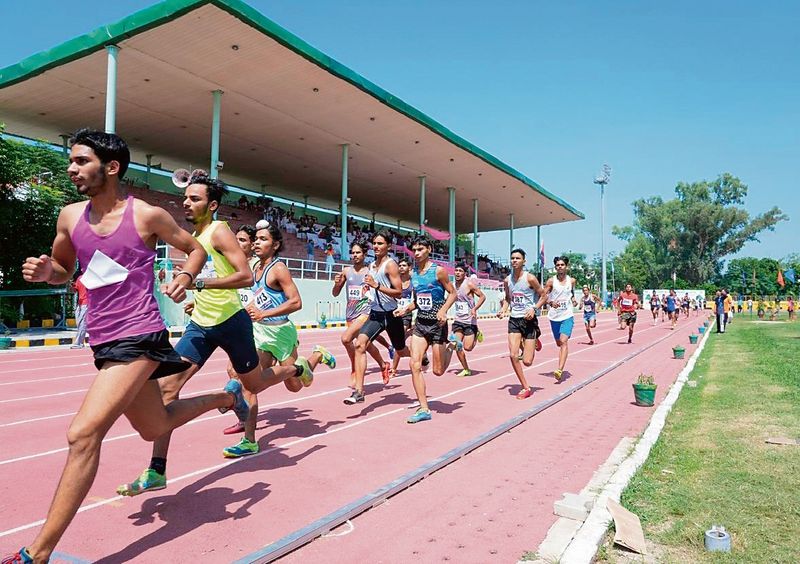
Preliminary findings from a cross-sectional study of 473 athletes aged 15-18, conducted across nine National Centres of Excellence (NCOEs), reveal concerning trends.
As many as 91 per cent of participants reported at least one adverse indicator, such as elevated muscle biomarkers, abnormal lactic acid levels, or high perceived exertion. Additionally, 54 per cent of athletes reported using supplements-including sports drinks, whey protein, and creatine monohydrate-often without age-specific guidance.
Officials highlighted that adolescent athletes face heightened physiological stress due to high energy demands, lower glycogen reserves, and still-developing motor skills. These factors increase the risk of injury and immune suppression. In India’s hot and humid conditions, dehydration further compounds these challenges, negatively affecting both performance and recovery.
Experts note that carbohydrate-electrolyte drinks can support hydration, energy balance, and thermoregulation, in line with recommendations from global bodies such as the International Olympic Committee (IOC) and the Australian Institute of Sport (AIS). However, the lack of adolescent-specific data underscores the need for targeted research.
By integrating expertise from nutrition, physiology, biochemistry, coaching, and recovery sciences, the study aims to generate robust evidence on hydration and recovery strategies for young athletes.
The findings are expected to inform national guidelines and help safeguard athlete health by reducing the risks associated with unsafe and unregulated supplement use.