By Jayne Cherrington-Cook | Published – 13 Apr 2026
There are few things more miserable than having a cold. A bunged-up nose, headaches and aching limbs can wipe out both your energy and your good mood in one fell swoop. And while we can get vaccinated against flu, there isn’t a similar jab that guarantees a cold-free year.
I’m relatively healthy. I eat well, exercise regularly and take the supplements I’m supposed to. Yet without fail, most springs, I come down with a properly nasty cold. Spring may look inviting, but those teasing warm spells followed by a sharp chill, what some are calling ‘false spring’, can catch us out, leaving us underdressed, run down and more vulnerable to the usual sniffles.
Experts say this may not be unusual. Research nutritionist Dr Pamela Mason, from the Health and Food Supplements Information Service, points out that deficiencies in key nutrients such as vitamin D and zinc are common in the UK and can increase susceptibility to infections.
“To prevent colds and reduce their severity, it’s important to maintain good immune function,” she says. “Consuming adequate amounts of key vitamins and minerals, including vitamin C, vitamin D and zinc, is vital, yet UK dietary surveys show that many people fall short, particularly during the winter months.”
After hearing this, and having experienced the same spring cold year after year, I wanted to know whether there were practical steps I could take to improve my chances.
So, over the past few months, I’ve been exploring a range of remedies – trying some at home and digging into the evidence behind others – to see which live up to their claims.
The cold remedies I tried
1. Vicks First Defence Nasal Spray
I began with a visit to my local chemist to ask whether there was anything I could do to prevent my annual cold. This nasal spray was suggested as a practical first line of defence. Rather than promising to boost immunity, it’s designed to work mechanically, forming a temporary barrier in the nasal passages that can reduce how easily cold viruses attach in the very early stages of infection.
Small clinical trials of nasal sprays containing iota-carrageenan – the active ingredient – have found that people who used them within the first day or two of symptoms recovered around one to two days faster, with milder overall symptoms compared with those using a placebo. The effects aren’t dramatic, but they are measurable, particularly when the spray is used early.
I love a bit of science, so the idea of a product that’s been tested in human trials, and works on a physical rather than immune-boosting level, made me quietly hopeful.
Did it work?
Personally, I struggled with this one. I found the stinging sensation uncomfortable and stopped using it after a few days. My husband carried on regardless, using it daily as recommended, but still developed a heavy cold a couple of weeks later. It’s only anecdotal, of course, but it didn’t inspire much confidence in our house.
2. Zinc lozenges
I’ve long known about the wonders of zinc and its role in supporting the immune system, but it was a trip to a local health food store that introduced me to zinc lozenges. The assistant there explained that while they won’t stop a cold in its tracks, they’re worth taking as soon as symptoms appear.
Dr Mason agrees: “Taking zinc lozenges or syrup within 24 hours of cold symptoms appearing can shorten the duration of the illness.”
That advice is backed up by studies, which suggest that zinc lozenges can reduce the length of a cold by around one to two days when taken early. Lozenges appear to work better than tablets because they dissolve slowly in the mouth, delivering zinc directly to the throat and nasal tissues where cold viruses tend to multiply, rather than being swallowed and dispersed through the bloodstream.
Did it work?
The mint flavour made these far more pleasant than some traditional medicated lozenges. I started taking four to five a day at the first sign of a sore throat and mild sniffles. While I did feel under the weather for a couple of days, the symptoms never progressed into a full cold. Based on that experience, they’re now a staple in my bathroom cabinet.
Getty Images/Xvision
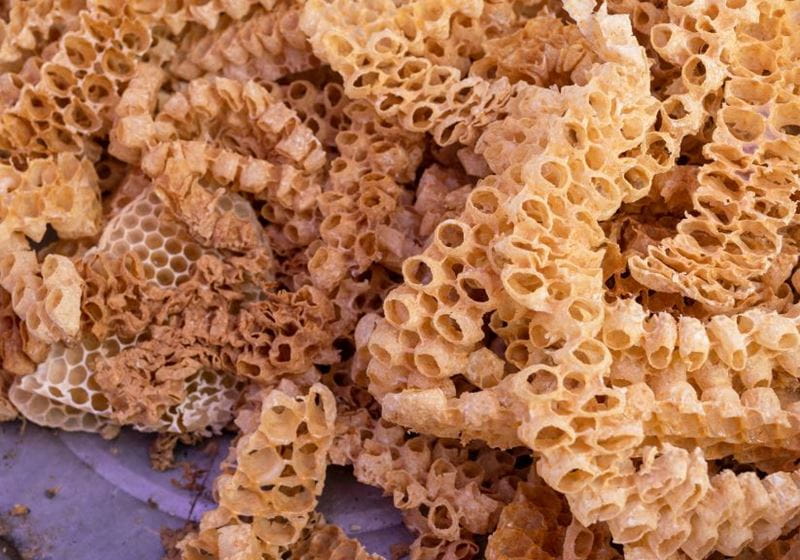
Bees create a special resin, called propolis, to protect their hives
3. Propolis
For my next DIY cold prevention treatment, I turned to bees and specifically the resin they make from tree sap to seal and protect their hives. Known as propolis, it’s been used in traditional remedies for centuries and has recently gained attention as a potential support during cold season.
“Propolis has anti-microbial, anti-viral, and anti-inflammatory properties,” explains Dr Mason. “It is rich in flavonoids and phenolic acids which help boost the immune system and soothe sore throats.”
Small clinical studies suggest propolis may help shorten the duration of cold symptoms, ease sore throats and reduce viral load in the mouth and throat, particularly when used early, and when taken as a spray or lozenge.
“It is commonly used to shorten the duration of cold symptoms, reduce respiratory infections, and to act as a preventative measure during winter months,” says Dr Mason. “More robust studies are needed but anecdotally it is found to be quite effective.”
Did it work
I chose a throat spray from Just Bee containing propolis and vitamins D, B6 and B12. I’ve been religiously spraying it at the back of my throat every day since November and, so far, not even a sniffle. The taste is pleasantly sweet and honey-like, and because I keep it by my bed, it’s easy to remember to use each morning.
I’ve also managed to dodge the fairly nasty cold my husband picked up, and generally I’ve felt pretty good. Whether that’s down to the propolis or the vitamin D is hard to say, particularly as Dr Mason points out that many of us in the UK are lacking vitamin D in winter.
“We all need to follow NHS advice to take a vitamin D supplement or a multivitamin and multimineral supplement with vitamin D in, especially from October through to March when sunshine is in short supply,” she advises.
This matters because vitamin D plays a role in regulating the immune response, particularly in the respiratory tract. Research suggests that people with low vitamin D levels are more susceptible to winter infections, and that supplementation can help reduce that risk, especially when taken consistently rather than as a short-term fix.
Either way, this has earned its place in my daily routine and I’ll be keeping my bee-resin spray firmly within arm’s reach.

Getty Images/Catherine Delahaye
Your local pharmacist is a good place to start when it comes to tackling colds
Unsure what to take? Ask your pharmacist
If you’re feeling overwhelmed by supplements or unsure what’s safe to take alongside other medication, expert advice is closer than you think.
“Always check with your pharmacist,” says Dr Mason “Pharmacies sell supplements and deal with over-the-counter and prescription medication, so are well placed to advise as they have the knowledge and experience.”
Pharmacists are also highly accessible. “You can pop into a pharmacy with no appointment,” Dr Mason adds. “They can also advise if you should see your GP.”
The ones I looked into but didn’t try – yet
1. Sea moss (Irish moss)
Sea moss, a type of red seaweed, has gone viral as a winter “immune superfood”, thanks to its impressive nutrient profile.
“Sea moss is rich in key vitamins and minerals, including iodine, magnesium, calcium and potassium, which help support immune function, energy levels, and overall well-being,” says Rhysa Phommachanh, health and personal care specialist at Landys Chemist.
Its antioxidant properties may also help reduce inflammation during cold and flu season, while the prebiotics it contains support gut bacteria, relevant, as gut health plays a role in immune function.
However, while sea moss is nutritionally dense, there’s currently no robust clinical evidence showing it prevents colds or shortens their duration. Most of the research focuses on seaweed’s nutrient content rather than direct antiviral effects in humans.
There are also cautions.
“Sea moss should not be taken with amiodarone as it can lead to dangerously high iodine levels,” says Phommachanh. “Irish sea moss is a powerhouse supplement, but like any health product, it should be taken with awareness.”
2. Pelargonium
Pelargonium isn’t as well-known as vitamin C or zinc, but it’s one of the more interesting botanical remedies when it comes to colds, largely because it’s been studied in human trials rather than just talked up online.
“Some evidence shows that pelargonium, a botanical supplement ingredient, reduces the severity and duration of common colds when taken within the first 48 hours,” says Dr Mason. “It is thought to work by inhibiting virus and bacterial attachment and stimulating the immune function.”
A review published in the British Journal of Clinical Pharmacology found that people taking pelargonium extracts recovered faster and reported milder symptoms than those given a placebo, with benefits most noticeable when taken early in the illness.
Like many remedies, timing seems key. Used at the first sign of symptoms, pelargonium may help shorten how long you feel unwell, but it’s not a guaranteed fix and it’s unlikely to prevent colds altogether.

Getty Images/Jacky Parker Photography
Pelargonium sidoides, a species of South African geranium, has been used for centuries in medicine
3. Elderberry
Elderberry isn’t a new remedy, but it’s enjoying a major revival thanks to syrups, gummies and immune support shots all over social media. Traditionally used for coughs and colds, it’s now one of the most popular natural remedies people reach for at the first sign of illness.
The science is modest but interesting. Several small randomised controlled trials suggest elderberry may help reduce the duration and severity of flu-like symptoms when taken early. One often-cited study found people with influenza recovered around four days faster when given elderberry extract compared with a placebo.
Evidence for preventing colds, however, is far weaker. Researchers think that elderberry’s high levels of flavonoids may help limit viral replication and support the immune response, but most studies are small, and results vary depending on the product and dose used.
The simplest defence of all – washing your hands
Before supplements, sprays or syrups, there’s one habit that consistently comes out top when it comes to preventing colds: washing your hands properly.
Cold viruses are most often picked up from contaminated surfaces – door handles, phones, keyboards – and transferred to the nose or mouth via our hands.
Studies show that regular handwashing with soap and water can significantly reduce the spread of respiratory infections, particularly in shared spaces and during winter months.
It doesn’t need to be obsessive, but it does need to be thorough: at least 20 seconds with soap, paying attention to fingertips and between fingers. Alcohol hand gel can help when you’re out and about, but it’s no substitute for soap and water when you’re at home.
It’s not glamorous, it won’t trend on TikTok, but if you’re looking for the most reliable way to dodge bugs, handwashing still beats almost everything else.
(Hero image credit: Getty)

Written by: Jayne Cherrington-Cook
Jayne cut her online journalism teeth 25 years ago in an era when a dialling tone and slow page load were standard. During this time, she’s written about a variety of subjects and is just at home road-testing TVs as she is interviewing TV stars.
A diverse career has seen Jayne launch websites for popular magazines, collaborate with top brands, write regularly for major publications including Woman&Home, Yahoo! and The Daily Telegraph, create a podcast, and also write a tech column for Women’s Own.