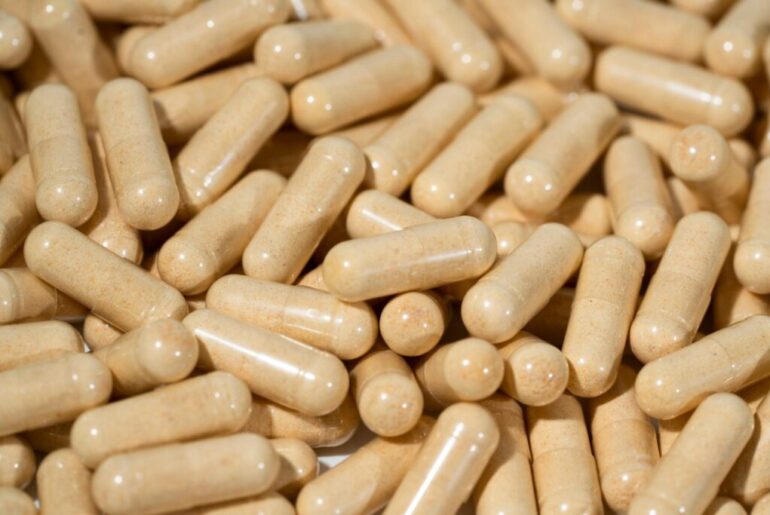
Once marketed only to serious athletes and those hoping to build muscle, creatine has become a popular supplement for a broader audience. You may have seen it touted by celebrities and others online as a means to support a variety of health goals.
What is creatine?
According to wellness coach and SSM Health Family Medicine Physician, Dr. Roopa Shah, “Creatine is a natural source of energy that helps your muscles flex. It helps create a steady supply of energy to your muscles so they can keep working – especially while you’re exercising.”
Dr. Shah notes that approximately half of your body’s supply of creatine comes from your diet. It’s found primarily in high protein foods like red meat, milk, and seafood. The rest is produced by your liver, kidneys, and pancreas.
“But some people take creatine supplements because they work out a lot or they don’t get enough creatine through their diet,” she added.
Who benefits from creatine supplements?
“For people who work out regularly, creatine supplements may help improve exercise performance and recovery from intense workouts,” said Dr. Shah. In addition, it can also help increase muscle mass, reduce dehydration and cramping, and minimize muscle tightness.
But it may offer benefits for others, including people dealing with certain medical conditions. “Those with muscular dystrophy, Parkinson’s disease, diabetes, osteoarthritis, and fibromyalgia may benefit from creatine supplementation.” she noted. And since it’s found mainly in animal products, the supplement can be a useful addition for those who prefer a plant-based diet.
Older adults may find that the benefits are twofold. In addition to possibly helping with age-related muscle loss, Dr. Shah noted, “Creatine may help promote brain health. Some supplement users claim creatine helps keep their mind sharp.”
Dealing with any downsides
“While taking creatine is considered safe, some people do experience side effects,” according to Dr. Shah. Those include:
Weight gain due to water retention
Dizziness
Nausea or vomiting
Diarrhea
Excessive sweating
She suggested that if you develop a side effect, divide the amount you take into smaller doses and take them throughout the day instead of all at once.
Dr. Shah also noted that it’s a good idea to talk to your doctor if you have side effects from taking creatine. “They can help you adjust how much you take to match your goals and help figure out if something more serious is going on with your health. And people who are pregnant, breastfeeding, or have kidney problems should speak to their physician before taking creatine supplements, “ she added.
Trying to get (or stay) healthy? Better health can start with healthy eating. SSM Health Sports Medicine specialists have created a simple guide to proper nutrition to help you on your journey.