We’ve all noticed the surge in food costs across the board, especially those of us with gym goals in mind. According to the Office for National Statistics, UK food and non-alcoholic drink prices rose by about 38.6% between 2020 and 2025. Within that rise, several foods that are major sources of dietary protein – including meat and dairy – have been among the items seeing the biggest price hikes. This means what we choose in our shopping basket really does count, especially for people focused on muscle gain.
Why the Protein Gap?
While it may seem as if all protein sources are taking the hit, that isn’t actually the case. Animal products are more exposed to rising feed, energy, labour and regulatory costs than other diet staples. Because animal proteins sit at the top of long supply chains, price increases tend to have a greater effect on them. This explains why meat, dairy and eggs have seen particularly prominent price inflation in recent years.
How to Close the Protein Price Gap
Many plant protein sources, such as beans and pulses, have not risen in price as sharply as animal products. There are also certain types of meat and dairy that aren’t so expensive. The key is choosing the right animal- and plant-based quantities and combinations so you’re saving money and still getting the full spectrum of amino acids needed to support muscle growth. You don’t need to hit every amino acid in every meal. Mixing and matching across the day, or week, does the job, and keeps food flexible, affordable and enjoyable. To help you on your way, we’ve listed the best-value protein sources to reach for on your next supermarket shop.
01. Greek yoghurt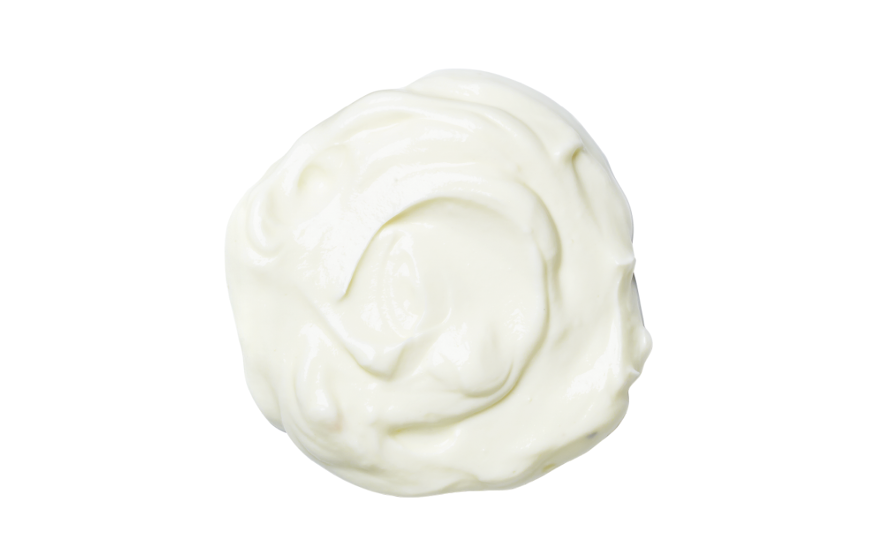
Approximate cost: 3p to 5p per gram of protein
Greek yoghurt offers a higher protein density than standard yoghurt because it is strained. Plus, as a complete protein, it’s a strong contender. It’s also very satiating, meaning you’re less likely to reach for additional food. Yoghurt works well as a breakfast base with fruit, or use it to add creaminess to curries and stews in place of cream.
02. Eggs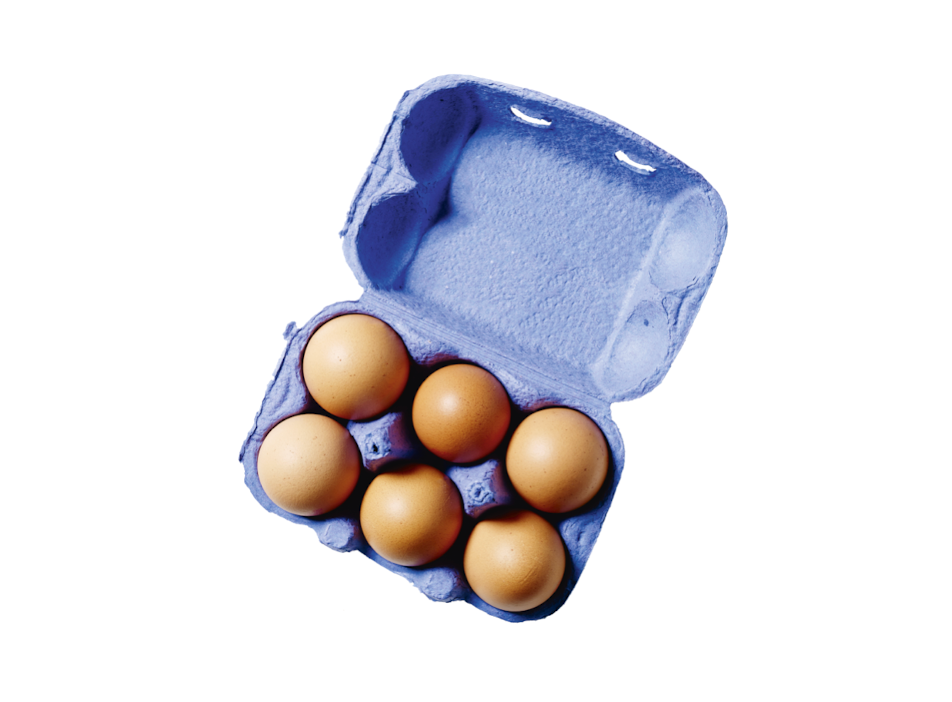
Approximate cost: 2p to 4p per gram of protein
A breakfast staple, eggs remain one of the best-value complete proteins available. They have a high leucine content, to support muscle-protein synthesis, and because eggs provide a full amino acid profile, they’re an easy on-the-go protein when you don’t wish to sacrifice your gains.
03. Lentils (dry or tinned)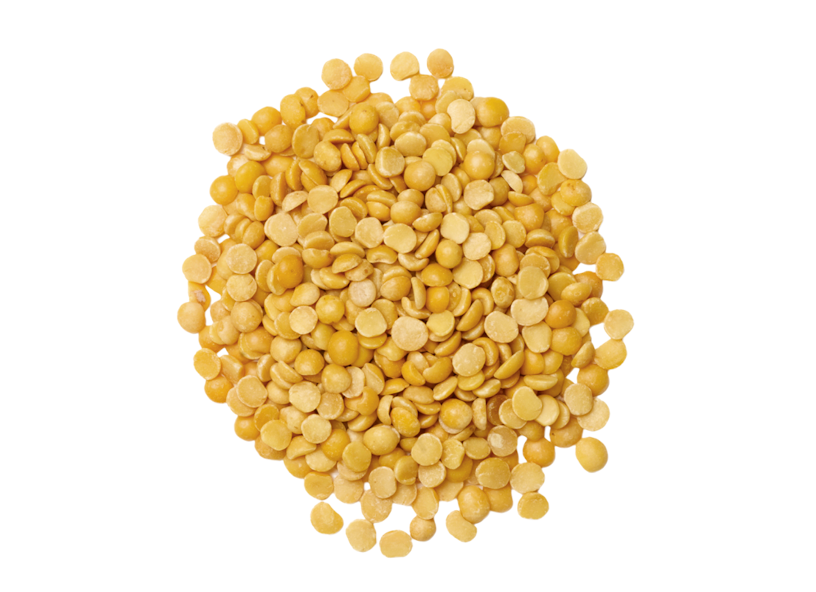
Approximate cost: 1p to 2.5p per gram of protein
Lentils are one of the cheapest protein sources, especially when cooked from dry. They also deliver considerable fibre and iron to support health. Cook them in curries, daals and batch-made stews, or add them to salads. Like other pulses, lentils aren’t a complete protein on their own, but combine them with grains or dairy to cover your amino acid needs.
04. Milk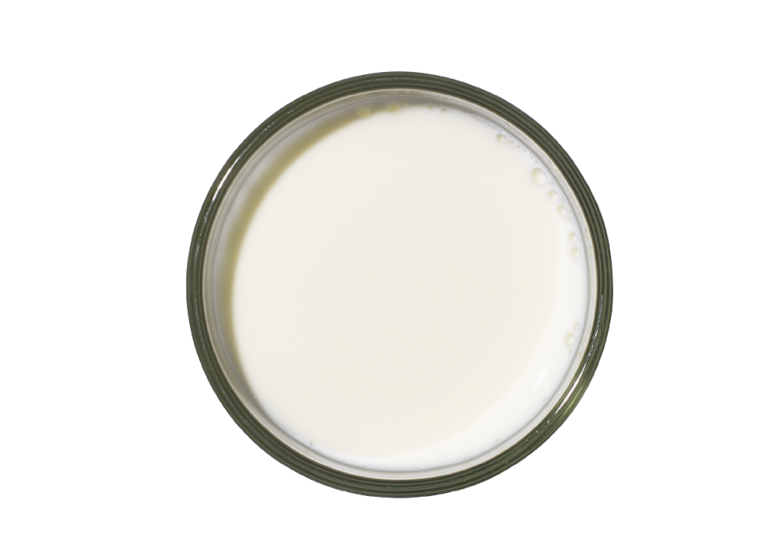
Approximate cost: 1.5p to 3p per gram of protein
The lifters of the Golden Era were on to something when they popularised the gomad diet (gallon of milk a day). While we don’t recommend such high quantities, milk is one of the cheapest sources of complete protein per gram and provides both whey and casein, supporting muscle repair and recovery. Add it to porridge, blend it into smoothies or simply drink it alone after a training session.
05. Chicken thighs and mince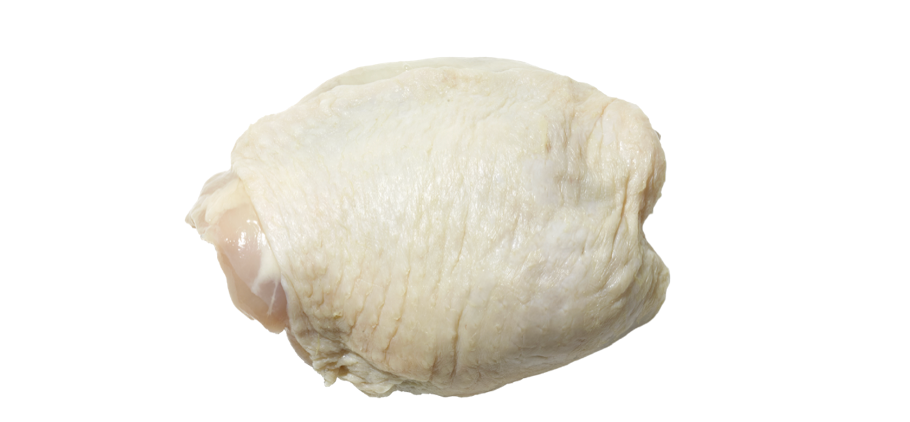
Approximate cost: 2p to 4p per gram of protein
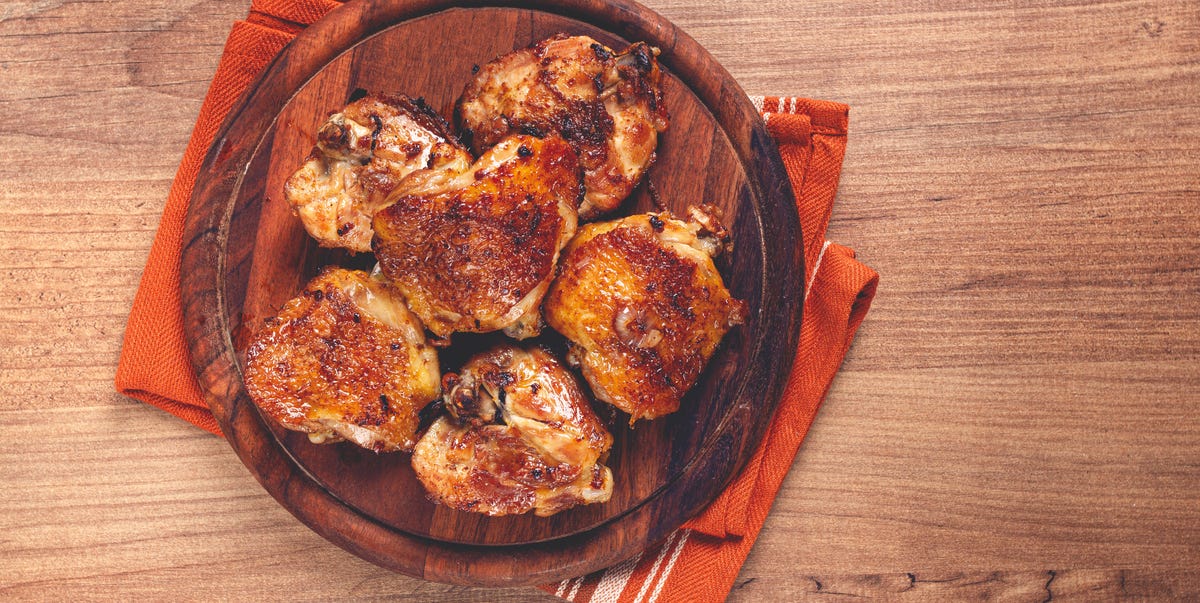
Chicken thighs and mince are cheaper than breast meat but still deliver high-quality protein, making them ideal for those who wish to cut costs. As complete proteins, they’re reliable diet staples for supporting muscle gain. Thighs are full of flavour, while mince works well in chillies, bolognese and batch-cooked meals.
06. Turkey (especially mince)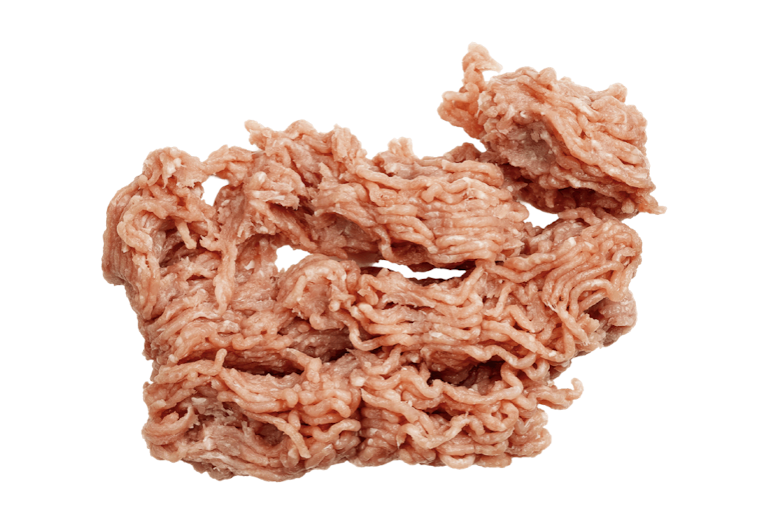
Approximate cost: 3p to 5p per gram of protein
Turkey is filling and high in protein, making it popular among people with body-composition goals. Use turkey mince as a substitute for beef in burgers, chillies, meatballs or pasta sauces, or add it to wraps and rice bowls. While it can be slightly pricier than chicken, it still offers pretty good value compared with many other meats.
07. Tofu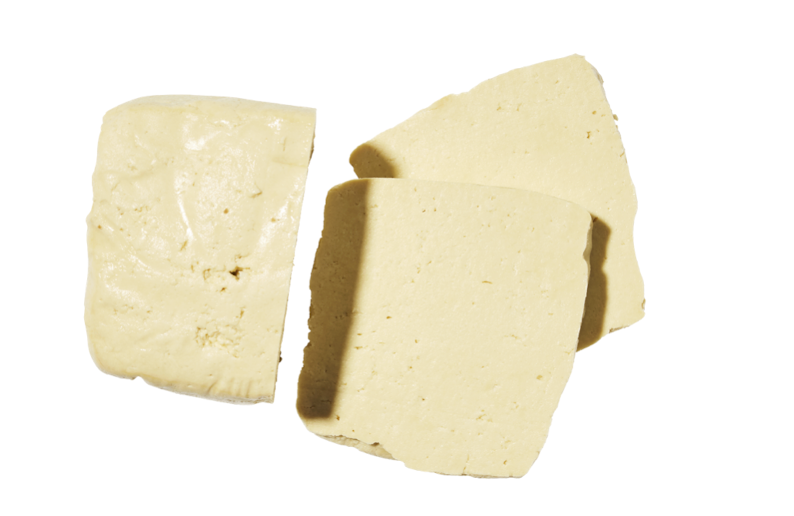
Approximate cost: 3p to 6p per gram of protein
Tofu is one of the most affordable plant-based proteins that provides a complete amino acid profile, thanks to its soya base. It absorbs flavour well, especially when fried, baked for meal prep or added to stir-fries and curries. Tofu is relatively price-stable compared with meat, plus you’ll also be choosing an eco-friendlier option.
08. Tinned beans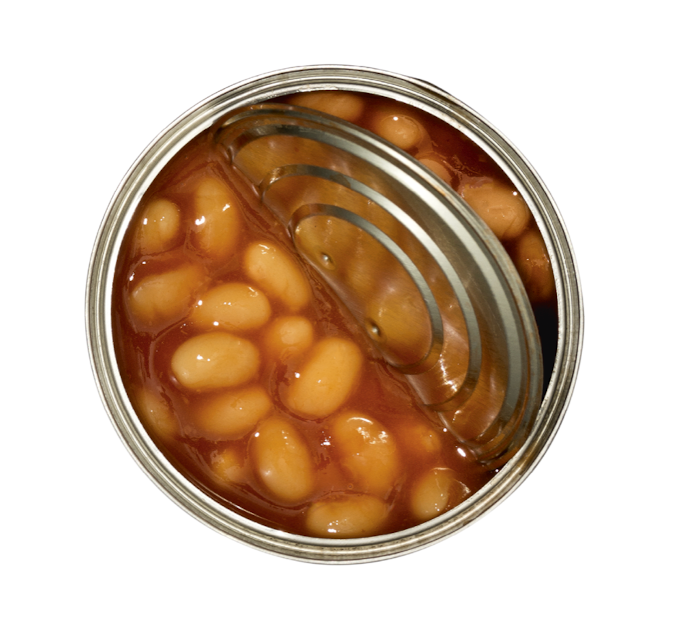
Approximate cost: 2.5p to 4p per gram of protein
Tinned beans are one of the most cost-effective ways to add protein to meals, while also delivering fibre, complex carbohydrates and key minerals. They last a while on the shelf and can be included in hearty soups and stews. While they don’t provide a full amino acid profile on their own, pairing them with grains or dairy across the day easily fills the gaps.
09. Chickpeas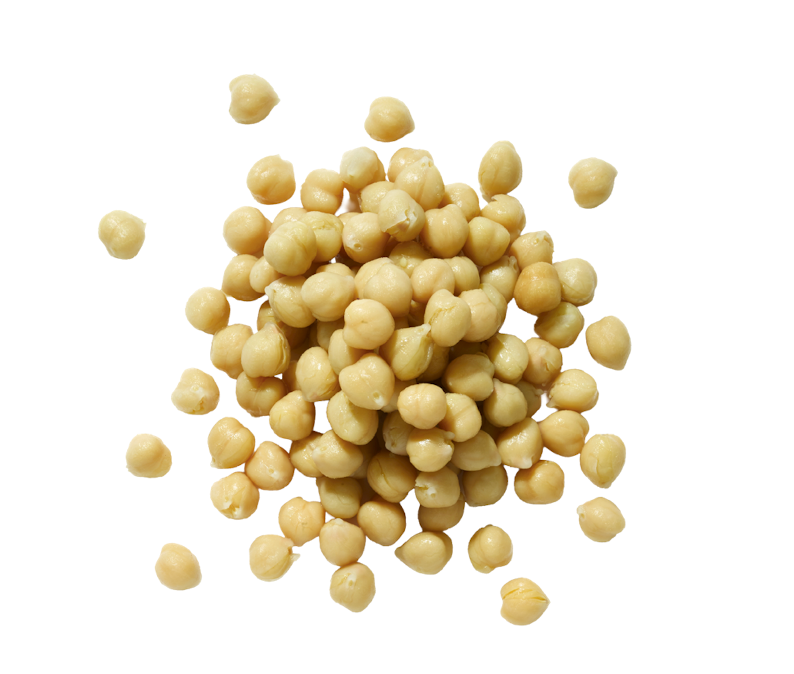
Approximate cost: 2.5p to 4p per gram of protein
Chickpeas are filling and it’s easy to build meals around them, so they’re a reliable budget protein. Use them roasted for salad toppings and snacks, or whizz them into hummus. They’re not a complete protein alone, but pairing them with grains or yoghurt makes them a solid option for supporting training.
10. Pork loin or pork mince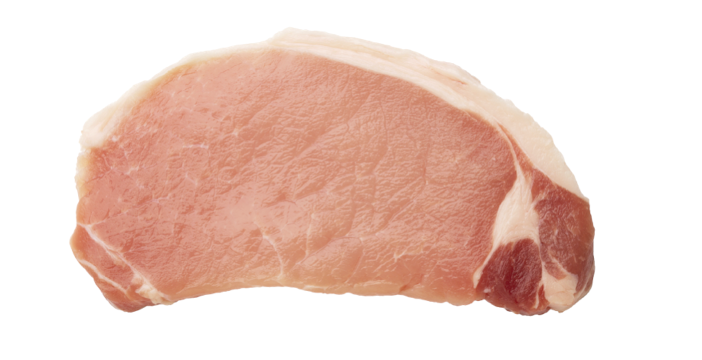
Approximate cost: 2.5p to 5p per gram of protein
Pork is another underrated protein source and provides a full amino acid profile with a solid protein hit. ‘Choose pork loin and lean mince to cut down on costs while keeping calorie content low. Pork loin can be added to stir-fries, wraps or subbed for your usual steak dinner. Pork mince can be used for meatballs, burgers or in a bolognese sauce.
11. Peas (fresh or frozen)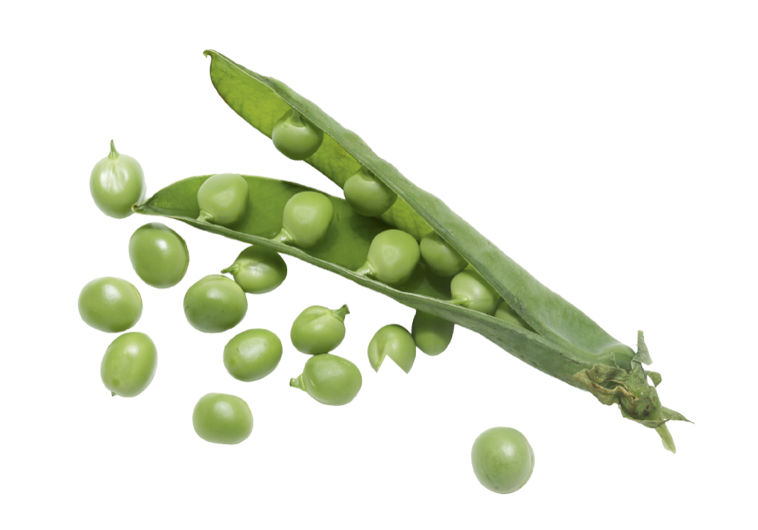
Approximate cost: 2p to 3p per gram of protein
Often overlooked and frequently underrated, peas are an inexpensive and convenient way to increase your protein intake while also adding fibre. Stir them into pasta, risotto or fried rice, blend into soups or add to omelettes. Peas aren’t a complete protein, but they work well alongside eggs, dairy or grains.
12. Tinned sardines or mackerel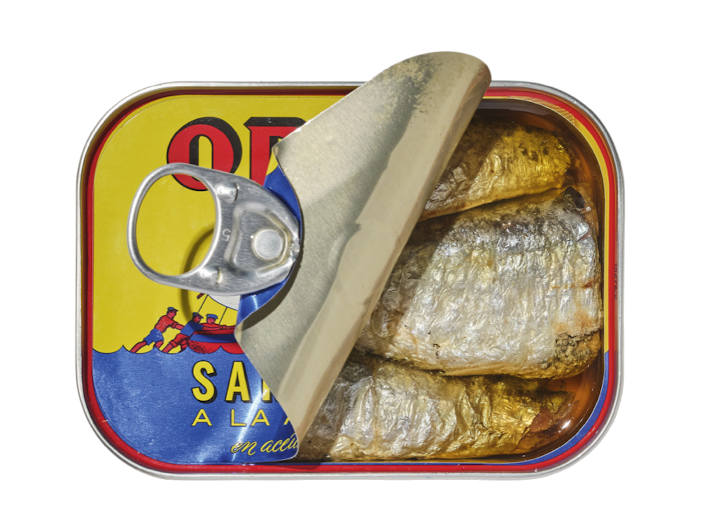
Approximate cost: 3p to 6p per gram of protein
Tinned sardines and mackerel are cheaper than fresh fish and deliver both high-quality protein and omega-3 fats. They’re complete proteins and a smart alternative to pricier fish options. Toss them through pasta with olive oil and garlic, or mash them on to toast with lemon and chilli for a quick protein hit.
13. Cottage cheese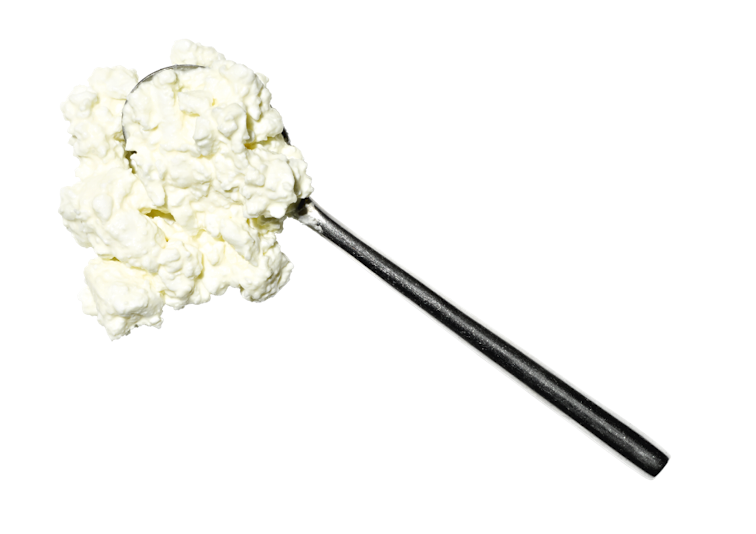
Approximate cost: 3p to 5p per gram of protein
Cottage cheese is a budget-friendly protein that will bolster your muscle gain goals. It’s particularly high in slow-digesting casein, making it useful between meals or before bed. Its complete amino acid profile makes it a highly efficient way to add protein without the high price. Spread it on toast, stir it through pasta sauces or eat it on its own for a quick snack.
Costs are approximate and based on typical UK supermarket pricing at the time of writing. Prices vary by retailer, region and promotions.
Related Stories
Kate is a fitness writer for Men’s Health UK where she contributes regular workouts, training tips and nutrition guides. She has a post graduate diploma in Sports Performance Nutrition and before joining Men’s Health she was a nutritionist, fitness writer and personal trainer with over 5k hours coaching on the gym floor. Kate has a keen interest in volunteering for animal shelters and when she isn’t lifting weights in her garden, she can be found walking her rescue dog.