Men’s fertility is coming into focus.
Status symbol. Impacted by weight, diet, environment, and genetics, sperm counts have declined 50%+ over the past 40 years, yet awareness of lifestyle-related risk factors remains low.
Catching on, 36% of men are concerned about reproductive health, and 55% say they’d change behaviors to improve sperm quality, fueling an influx of products and diagnostics.
New daily. Flipping the script on prenatals, SwimClub’s 90-day protocol and Bult’s upcoming stack target the other half.
Meanwhile, women’s health brands Perelel, Needed, Beli, and Bird&Be launched men’s lines — with the latter’s male supps outpacing female SKUs at Ulta Beauty.
Under the hood. With 91% of men interested in digital fertility tools, Posterity Health raised $13M for hormonal and reproductive care, while Fellow Health secured $48M to scale mail-in semen analysis.
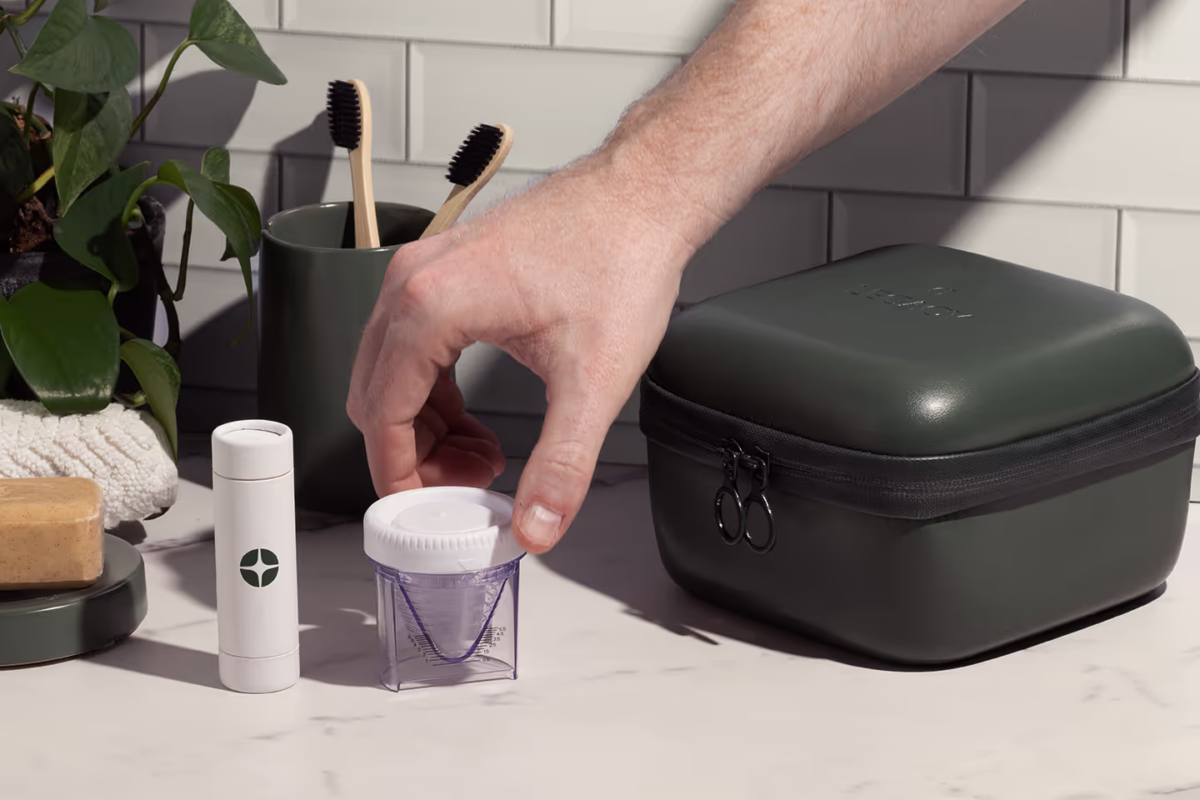
With sperm quality declining after 40, Legacy launched Sperm Score for longitudinal tracking, and Upstream targets root causes with a 10-week preconception protocol.
Viral virility. Tied to masculinity, longevity, and virility, sperm health is being reframed as a metric to optimize. Leaning in, Sperm Racing raised $10M for motility competitions, Nads sells nontoxic underwear, Megelin offers intimate red light devices, and Bryan Johnson’s sauna-safe testicular icing protocol inspired a crop of products like ChillNuts.
Punchline: Half the equation, male fertility has become big business. But outcomes depend on both sides — meaning reproductive health is a shared, system-level opportunity.