
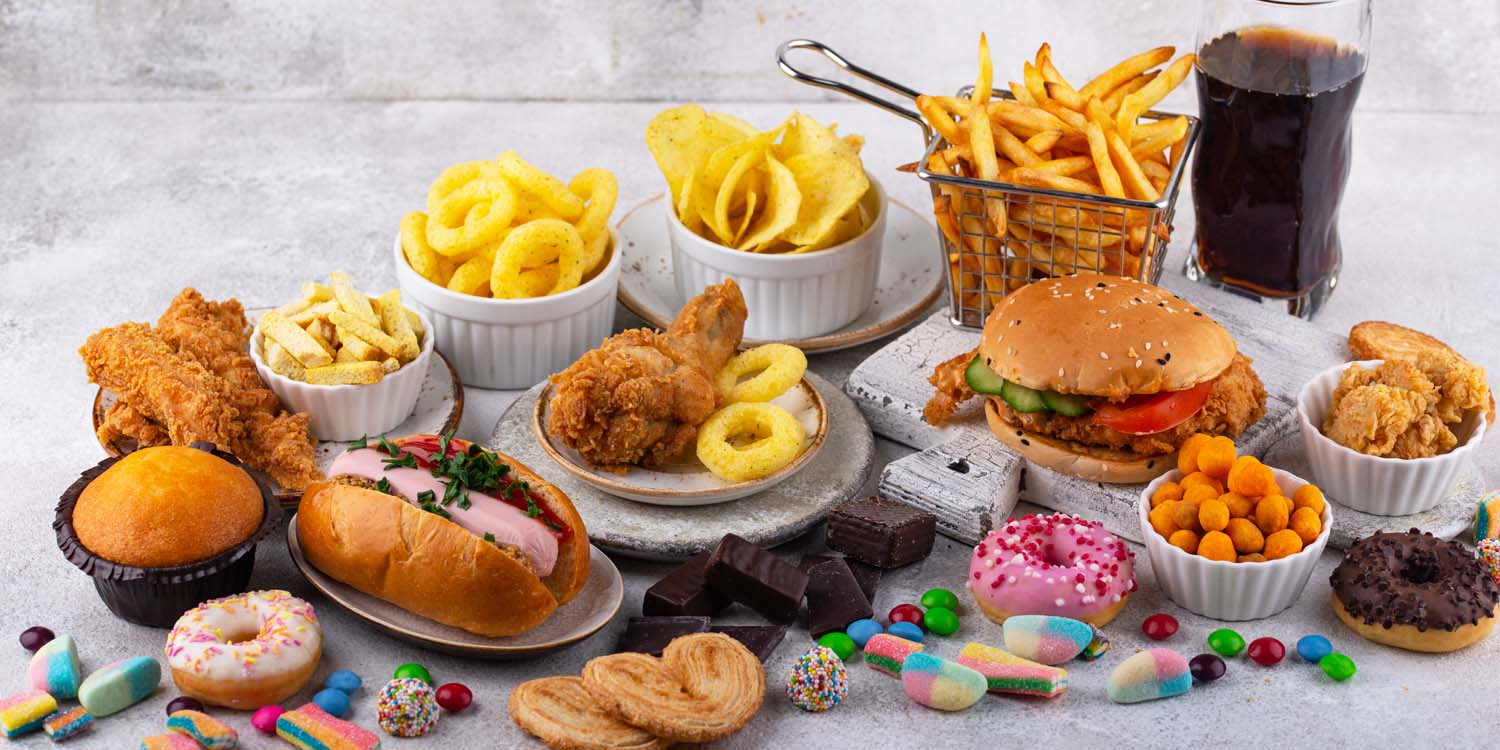
Ultra-processed foods (UPFs) are now increasingly easy to find and are often the go-to choice for children because they are convenient and taste appealing. However, excessive consumption of these foods can pose various health risks. This is a cause for concern as it can impact children’s growth and development, both in the short and long term.
Dr Karina Rahmadia Ekawidyani, a lecturer at the Faculty of Medicine and Nutrition at IPB University, explained that UPF refers to foods that undergo highly intensive processing.
“Ultra-processed foods are those that have undergone extensive processing, so their original form is no longer recognizable,” she stated in an IPB Pedia segment on IPB TV’s YouTube channel.
GGL, Low in Nutrition
Dr Karina noted that UPF generally contains high levels of sugar, salt, and fat (GGL), as well as various additives. “They are typically loaded with ingredients like sugar, salt, oil, and additives such as preservatives and colorings,” she explained.
Examples of UPF include sugary drinks, packaged snacks, and processed products like nuggets and sausages. She added that these foods tend to be high in calories but low in essential nutrients. “If consumed in excess, children risk consuming too many calories while lacking fiber, vitamins, and minerals,” she said.
Health Risks from an Early Age
The effects of consuming UPF can manifest in the short term or over the long term. In the short term, high-sugar foods can cause tooth decay and digestive issues like constipation due to low fiber content. Meanwhile, long term consumption habits can increase the risk of obesity, diabetes, and even hypertension.
“With risks like obesity and hypertension, over the long term, this can lead to degenerative diseases such as heart disease and stroke,” she added.
Nevertheless, Dr Karina emphasized that UPF doesn’t have to be completely avoided. “It’s okay once in a while, but not every day. We need to look at the overall diet and balance it with whole foods,” she said.
She encourages parents to get children into the habit of eating real food such as vegetables, fruits, and home-cooked meals from an early age. “Snacking is fine, but don’t overdo it with ultra-processed foods,” she advised. (Fj) (IAAS/PRO)