These days, there seems to be a supplement for every ailment under the sun. Supplements aren’t new, but social media can make them feel like novel and magical cure-alls for everything from a need to detox to perimenopause symptoms.
“Supplements are not all helpful to all people, simply because they may be available without a prescription,” says Dr. Jenn Batisti, MD, a gastroenterologist, transplant hepatologist and an assistant professor of medicine at the Yale School of Medicine.
She warns that different supplements can improve or harm certain bodily processes and the effects of medications, and another hepatologist echoes these sentiments.
“The FDA does not regulate supplements as strictly as prescription drugs, meaning their purity and ingredient levels may not be accurate,” adds Dr. Shalom Z. Frager, MD, the director of clinical hepatology and a staff physician in gastroenterology at Hackensack University Medical Center.
That can become a big-time issue when it comes to protecting your liver health. “The liver is a vital organ with over 500 functions,” Dr. Frager explains. “Its main roles include filtering toxins from the blood, aiding in digestion by producing bile and creating essential nutrients for the body. It also plays a crucial part in metabolism, immunity and the storage of vitamins.”
Many of the above (such as filtering toxins and boosting immunity) are reasons why people may take certain supplements unnecessarily. Two supplements in particular can harm the liver if you take them in excess. Hepatologists revealed which ones to avoid if you want to protect your liver.
🩺SIGN UP for tips to stay healthy & fit with the top moves, clean eats, health trends & more delivered right to your inbox twice a week💊
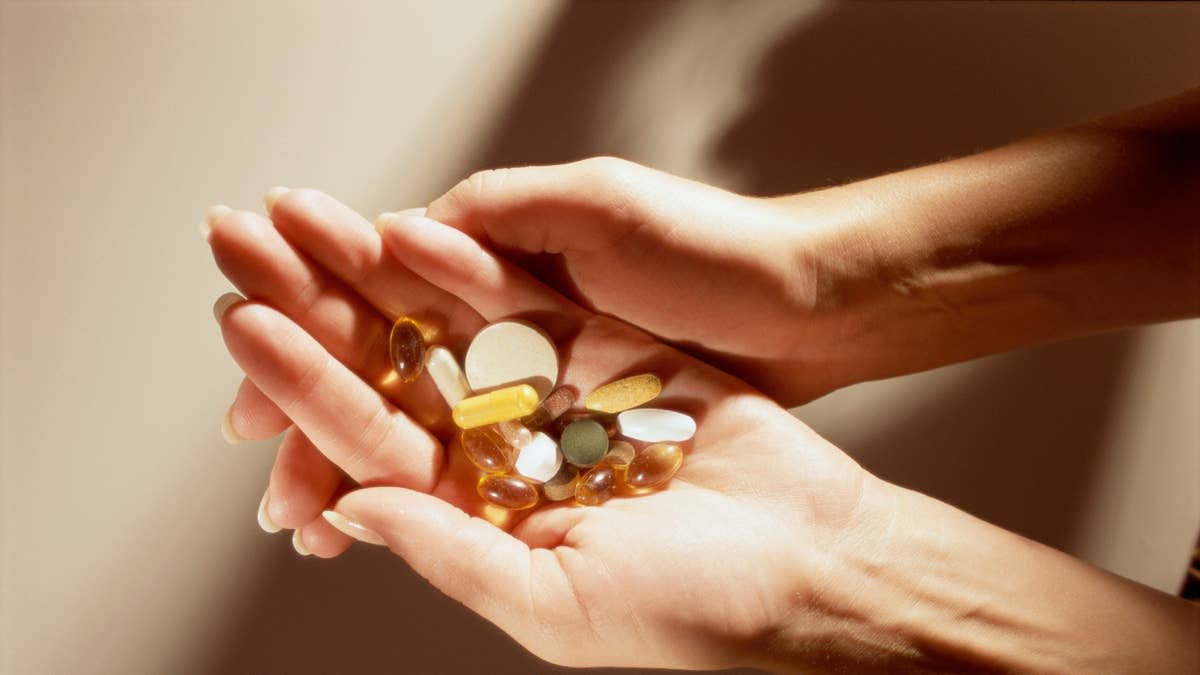
Strauss/Curtis/Getty Images
2 Supplements You Should Never Take if You Want To Protect Your Liver, According to Hepatologists
Hepatologists are begging people to avoid high-dose vitamin A and excessive iron supplementation because it can harm the liver.
“Excessive amounts of vitamin A…can be stored in the liver and overwhelm the organ’s normal storage [processes],” explains Dr. Batisti. “Unnecessary amounts of iron can build up within the liver over time, which can lead to scarring and even cirrhosis.”
Big yikes. Here’s a bit more about why high-dose vitamin A and iron can harm the liver.)
High-dose vitamin A can lead to liver failure
For starters, it might help to know what hepatologists even mean when they talk about high-dose vitamin A.
Dr. Batisti says high-dose vitamin A is defined as intake of more than “3,000 retinol activity equivalents.” Retinol activity equivalents are what’s used to measure your daily recommended allowance for Vitamin A. It takes into account the vitamins and provitamins that can be converted into vitamin A by the body.
“This includes the vitamin A and the provitamins that can be converted to vitamin A from foods,” she explains. “That said, the upper tolerable limit of vitamin A may vary from person to person, and it is much lower in children.”
Some people may benefit from vitamin A supplements. “People who have a vitamin A deficiency may be recommended to take vitamin A, which is important for the maintenance of normal vision, immune system function, and skin and membrane health,” Dr. Batisti explains.
Yet, Drs. Batisti and Frager warn that exceeding your body’s vitamin A needs is far from a “the more, the merrier” situation for your liver. Too much vitamin A can overwhelm your liver and interrupt its natural processes. It can trigger hypervitaminosis A, which can start as early as three months after taking a moderate or high dose of vitamin A.
“Hypervitaminosis A…can cause liver damage, inflammation and in severe cases, cirrhosis,” Dr. Frager explains.
Dr. Rucha Shah, MD, an HonorHealth gastroenterologist and hepatologist, suggests taking a food-first approach to vitamin A intake by eating:
Related: ‘I’m a Hepatologist, and This Is the Fruit I Swear by for Liver Health’
Iron toxicity is possible—and can hurt the liver
Dr. Shah says iron is a critical heavy metal that supports our blood cells and muscle tissues. “It can be quite common to hear about iron deficiency, which can lead to anemia,” Dr. Shah explains. “Yet iron is a common supplement in any vitamins. Iron is also stored in the liver.”
Dr. Shah warns that iron toxicity can occur more commonly than you think.
“Iron toxicity leads to cell damage by triggering collagen production with the liver cells, leading to a cascade of scarring that extends from the cells to the liver tissue itself,” she reports.
Dr. Frager also says that people may need to take an iron supplement (such as those with anemia, which can also arise in people without the condition during pregnancy). Yet, iron is readily available in foods, and people without anemia or other medical conditions can usually meet their needs through:
Lean red meat and poultry
Fortified breakfast cereals
Related: This 1 Vitamin May Reverse a Common Health Condition, According to a Hepatologist
5 Other Ways To Protect Your Liver Health
It’s important not to consume too much vitamin A or iron, which can happen if you are unnecessarily supplementing. But that’s not the only way to protect your liver. Hepatologists also recommend:
Maintaining a healthy diet. Dr. Frager suggests a balanced diet that’s low in processed foods, sugar and saturated fat. He says it can protect you from fat buildup in the liver, a risk factor for metabolic dysfunction-associated steatotic liver disease (MASLD), which we used to call non-alcoholic fatty liver disease (NAFLD).
Avoid alcohol. You’ve likely heard that alcohol can harm the liver. Dr. Batisti confirms that alcohol can irritate the liver cells and cause damage.
Stay hydrated. Bottoms up—but not with booze. “Drinking plenty of water helps the liver flush out toxins and function properly,” Dr. Frager notes.
Log regular exercise. It’s not just about what you put into your body. Moving it can also assist your liver health. “Physical activity helps maintain a healthy weight and can reduce liver fat,” Dr. Frager says.
Only take supplements under the direction of a physician. We know supplements are everywhere, but this is worth repeating: “Unnecessary supplements can be directly toxic to liver cells and can lead to liver failure,” Dr. Batisti warns.
Your care team and a registered dietitian can help you find the right eating plan (and maybe supplements) to support your liver and your entire body.
Up Next:
Related: One Common Habit That Could Be Damaging Your Liver, According to a Gastroenterologist
Sources:
Dr. Jenn Batisti, MD, gastroenterologist, transplant hepatologist and an assistant professor of medicine at the Yale School of Medicine.
Dr. Shalom Z. Frager, MD, the director of clinical hepatology and a staff physician in gastroenterology at Hackensack University Medical Center.
This story was originally published by Parade on Apr 17, 2026, where it first appeared in the Health & Wellness section. Add Parade as a Preferred Source by clicking here.