
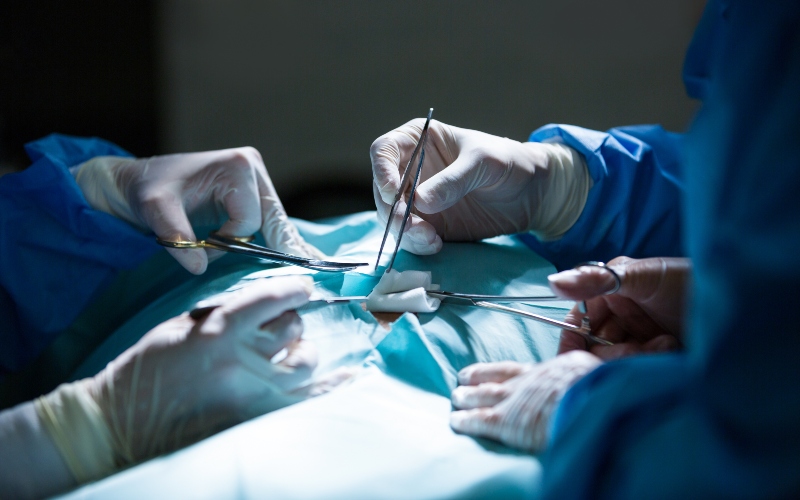
Liver transplantation has long been considered a high-risk procedure, with many patients fearing organ rejection even after successful surgery. In most cases, the body’s immune system treats the donated liver as foreign, making lifelong anti-rejection medication necessary.
According to the World Health Organisation (WHO), organ transplantation is a life-saving intervention for patients with organ failure, but it comes with major challenges, including rejection risks, limited donor availability, and long-term complications linked to immunosuppressive drugs.
While these medicines are essential to protect the transplanted organ, they can also weaken immunity and increase vulnerability to infections and other health problems, creating a difficult long-term balance for patients.
A pioneering immune therapy may be moving liver transplantation closer to a long-sought goal: helping some patients live without lifelong anti-rejection drugs.
A study published in Nature Communications suggests it may be safe and feasible to give liver transplant recipients special immune cells from their donor before surgery to train the body to accept the new organ.
The approach, known as immune priming, could reduce dependence on immunosuppressive drugs, which are currently essential to prevent organ rejection but carry significant long-term health risks.
The therapy uses donor-derived immune cells known as regulatory dendritic cells, which help guide immune responses. These cells are prepared from the donor before surgery and infused into the recipient about a week before transplantation. Researchers believe the cells may help “educate” the immune system to recognise the donor liver as safe tissue instead of a foreign threat.
As one researcher explained, “The aim is to reprogram immune responses so the transplanted organ is accepted rather than attacked”.
Another added, “If we can safely reduce or remove lifelong immunosuppression, we could transform the long-term experience of transplant patients.”
In the small first-in-human trial, 13 living donor liver transplant recipients were followed over time. One year after surgery, patients were evaluated to determine whether their immune profiles suggested they could safely begin reducing immunosuppressive drugs.
Eight participants met the criteria to start tapering treatment. Among them, four were able to completely stop immunosuppressive therapy, and three remained off the drugs for more than three years without rejecting their transplanted liver.
Although the numbers are small, the results have drawn attention because they point toward the possibility of immune tolerance, a state in which the body accepts a transplanted organ without continuous medication.
Tolerance has long been described as a major goal in transplantation medicine because it could eliminate many of the complications associated with lifelong drug use.
The liver may be particularly suited for this kind of approach. It has unique immune characteristics and a strong ability to regenerate, making living donor transplantation possible, where both donor and recipient can regrow functional liver tissue after surgery.
These features have made liver transplants a key testing ground for efforts to reduce or eliminate long-term immunosuppression.
The study is also part of a broader shift in transplantation science, from broadly suppressing immunity toward selectively reshaping it.
However, researchers emphasise that the findings are still early and exploratory. The trial was designed primarily to test safety and feasibility, not to confirm effectiveness on a large scale. The small sample size means more research is needed before the approach can be widely adopted.
Important questions remain, including why some patients respond well enough to discontinue drugs while others do not, and how different medication regimens might influence outcomes. Researchers are also exploring whether adjusting the timing of immune cell infusion or combining it with different drug protocols could improve results.
Future studies are expected to include larger, randomised trials comparing immune priming with standard care to better assess its effectiveness.
If confirmed, the approach could significantly reduce the long-term burden of transplantation, lowering risks linked to chronic immunosuppression and improving quality of life for patients.
For now, experts stress that the therapy remains experimental and is not part of routine clinical care.
Still, the early findings suggest a possible shift in direction for transplant medicine toward a future where the immune system may be guided to accept a new organ naturally, rather than being permanently suppressed.
In Kenya, liver disease is estimated to cause about 13,000 deaths annually, accounting for roughly 5 per cent of all deaths, with hepatitis B affecting nearly 8 per cent of the population. Globally, liver disease leads to about 2 million deaths each year, driven mainly by viral hepatitis, alcohol-related disease, and fatty liver conditions.
Despite the burden, liver transplants remain rare. Around 30,000 liver transplants are performed globally each year.
In Kenya, liver transplantation is still very limited, with most patients referred abroad due to a lack of specialised facilities and high costs, meaning many who need the procedure never receive it.