
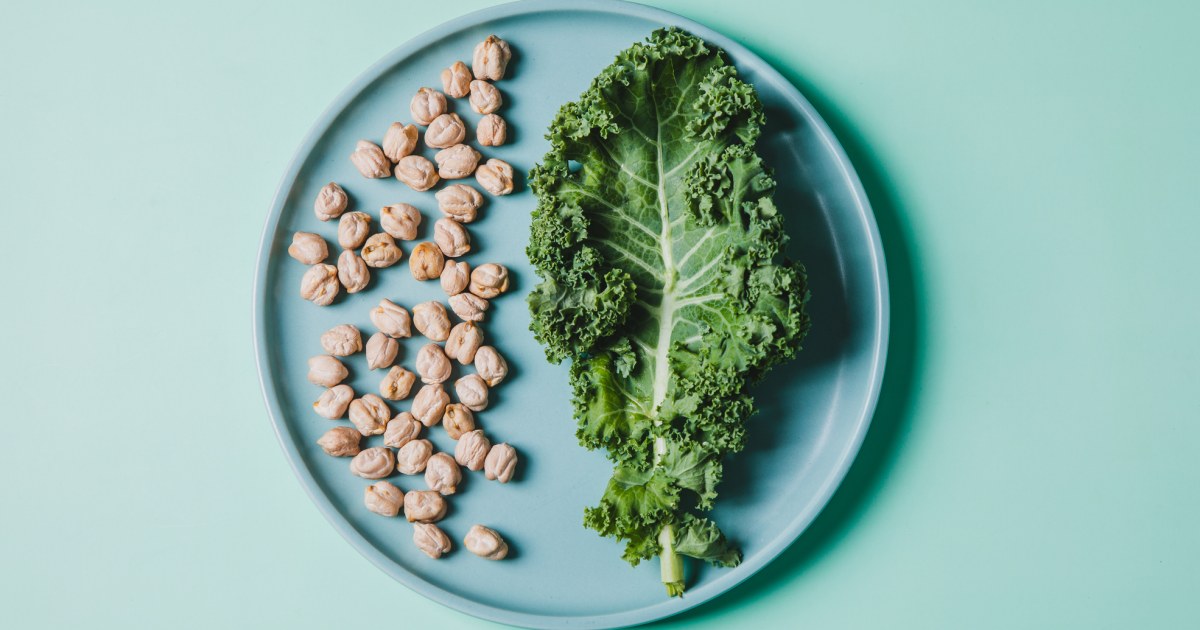
Protein and fiber are fighting for the nutritional spotlight on social media right now. And the truth is that both are essential nutrients that support your overall health. But should you prioritize one over the other?
“It’s a struggle for the ages,” Frances Largeman-Roth, registered dietitian and author of “Every Day Snack Tray,” tells TODAY.com.
Both of these nutrients are essential for optimal health, but hitting two daily nutritional goals is much harder than just one. And if you can only pick one, it’s understandable that muscle-building protein might take the top spot for you.
But rather than thinking of getting enough protein or fiber, dietitians say, it’s better to think of them as allies. They work better together and complement each other to help you reach and maintain your health goals more easily.
By making a little effort to get enough of both on your plate every day, you’ll find yourself feeling fuller longer with fewer blood sugar spikes.
Benefits of Protein
Protein is one of three macronutrients that we all need to eat a good amount of every single day to maintain proper function.
It helps “build and repair muscle and other tissues, and it also supports enzymes, hormones, immunity and overall cell function,” Erin Palinski-Wade, registered dietitian and certified diabetes educator, tells TODAY.com.
Made up of the amino acids we need to build and maintain muscle tissue, protein is especially important for older folks and those entering menopause who are looking to preserve lean muscle mass as they age, Grace Derocha, registered dietitian and spokesperson for the Academy of Nutrition and Dietetics, tells TODAY.com.
Protein also “keeps you full longer because it takes longer to digest,” Derocha explains, “and then there’s metabolic health benefits that comes with that.” In that way, meeting protein goals helps aid in weight management, too.
When Does It Make Sense To Prioritize Protein?
As much as dietitians are tired of us making a fuss over protein, there are some times when it makes sense to make this nutrient your biggest priority.
Adults should aim to get between 1 and 1.2 grams of protein per kilogram of body weight for most people, according to the latest official Dietary Guidelines, TODAY.com explained previously. That translates to 81 to 109 grams of protein a day for someone who weighs 150 pounds.
“Since protein can boost satiety after eating and support muscle health,” Palinski-Wade says, “it is especially important for those who are actively losing weight (especially when taking a GLP-1 medication), for athletes and for older adults.”
Getting adequate protein later in life can help reduce the risk of sarcopenia, which is the progressive, age-related loss of muscle mass and strength, Derocha explains. Protein is also crucial for post-workout recovery, especially if you’re working out frequently, she adds.
And if you’ve just had surgery or are healing from an injury, those are times when you should really focus on protein to support your recovery, Largeman-Roth says.
Benefits of Fiber
“Fiber benefits our health in so many ways,” Largeman-Roth says.
Technically, fiber is a part of carbohydrates alongside sugars and starches, Derocha explains. But it doesn’t get digested the same way those other carbs do.
There are two types of fiber that have crucial roles to play in your health. Soluble fiber dissolves in water, forming a gel that binds to cholesterol and helps your body get rid of it, TODAY.com explained previously. This type of fiber also slows your digestion, which helps regulate blood sugar and keeps you feeling satiated after a meal.
The other type of fiber, insoluble fiber, pushes things through your intestinal system and keeps you regular. Some types of fiber are also prebiotic, meaning they support the healthy bacteria in your gut.
In all these ways, fiber “helps keep bowel movements regular, supports a healthy gut microbiome and can help lower LDL cholesterol and improve blood sugar control by slowing digestion,” Palinski-Wade says. Plus, fiber reduces the risks for colon cancer, stroke and Type 2 diabetes, Largeman-Roth adds.
When Does It Make Sense To Prioritize Fiber?
Fiber tends to get less attention than protein, and most Americans are not eating the recommended amount of fiber, which is generally between 25 and 38 grams per day.
“People are usually not making this goal, but most people are making their protein goals,” Derocha says. So fiber should probably be a priority for a lot of us.
If digestive health, cholesterol or blood sugar control is your biggest concern, fiber should be your priority, Palinski-Wade says.
And you should definitely think about making fiber your major nutritional goal right now if you struggle with chronic constipation, Largeman-Roth says. “Loading up on protein means you’ll need to eat even more fiber to move the protein-rich foods through your digestive tract,” she explains.
Protein and Fiber Complement Each Other
Instead of pitting these two nutrients against each other, it’s best to think of them as working together synergistically, Derocha says.
“The real power is protein and fiber together,” she explains. “When combined, protein and fiber can really help slow the system down,” she continues, meaning slower digestion. That supports better blood sugar control, improved satiety and fewer energy crashes — plus, you’ll get the benefits of each nutrient individually.
“Don’t treat protein and fiber as rivals,” Palinski-Wade says. “Instead, build each meal around both.”
Ultimately, protein and fiber work best together, the dietitians agree. And even if you are focusing on one or the other for now, the healthiest eating pattern is one that includes both.
High-Protein and High-Fiber Meals That Dietitians Recommend
Because both protein and fiber are quite filling, it’s easy to see how one nutrient might “edge the other one out,” Largeman-Roth says. “But if you’re mindful about putting meals together, it is possible to achieve your fiber and protein goals at the same time.”
Palinski-Wade recommends thinking of protein as “the anchor” of your meal and then building around it with fiber-rich foods.
For instance:
Grilled chicken or salmon with a salad topped with lentils, nuts and strawberries.A quinoa bowl topped with roasted chicken or tofu and roasted vegetables.Cottage cheese or Greek yogurt with a sprinkling of berries and pumpkin seeds.
But it can also be as simple as a bowl of whole grain cereal with milk, Largeman-Roth says, or an apple and peanut butter, Derocha adds.
“Protein matters and is an important consideration, but it is not the only dietary consideration that matters,” Palinski-Wade often tells her clients. “Protein supports muscle and fullness, but a balanced plate with protein, high-fiber plants and enough total calories is usually more sustainable and better for long-term health.”