
LARGO, Fla., April 18, 2026 (Newswire.com)
–
Disclaimers: This article contains affiliate links. If a purchase is made through these links, a commission may be earned at no additional cost to you. This compensation does not influence the accuracy or integrity of the information presented. BreathiZen is a dietary supplement, not a drug, and is not intended to diagnose, treat, cure, or prevent any disease. This content is for informational purposes only and is not medical advice. Readers with respiratory or breathing concerns should consult a qualified healthcare professional before starting any new supplement.
BreathiZen Spray Complete 2026 Overview: Respiratory Wellness Supplement Guide, Ingredients, Pricing, and Consumer Considerations
What This Guide Covers
You saw the ad. Something about it landed – maybe it was the mention of breathing more deeply, the idea of waking up with clearer, more comfortable morning breathing, or simply the fact that it addressed something you’ve been quietly dealing with for a while. You didn’t immediately click buy. Instead, you came here to find out whether BreathiZen is worth your money, whether it actually works, and whether the company behind it is legitimate.
That’s exactly what this guide answers.
This guide covers the formula in full with every ingredient and dosage, what the peer-reviewed research says at the ingredient level, what the guarantee actually requires (including the fine print most reviews skip), who this supplement may be worth considering and for whom other options may be a better fit, how it compares to major alternatives in the respiratory supplement space right now, and what questions are worth asking before deciding.
If you want to skip to a specific section, the headers below take you directly there.
See current BreathiZen pricing and available packages
Disclosure: If you buy through this link, a commission may be earned at no extra cost to you.
This is a long guide because respiratory health is a High-YMYL category where incomplete information costs people money and, more importantly, leads them to wrong decisions about their health. Read what matters to your situation. Skip what doesn’t. Start where you are.
The Short Answer First
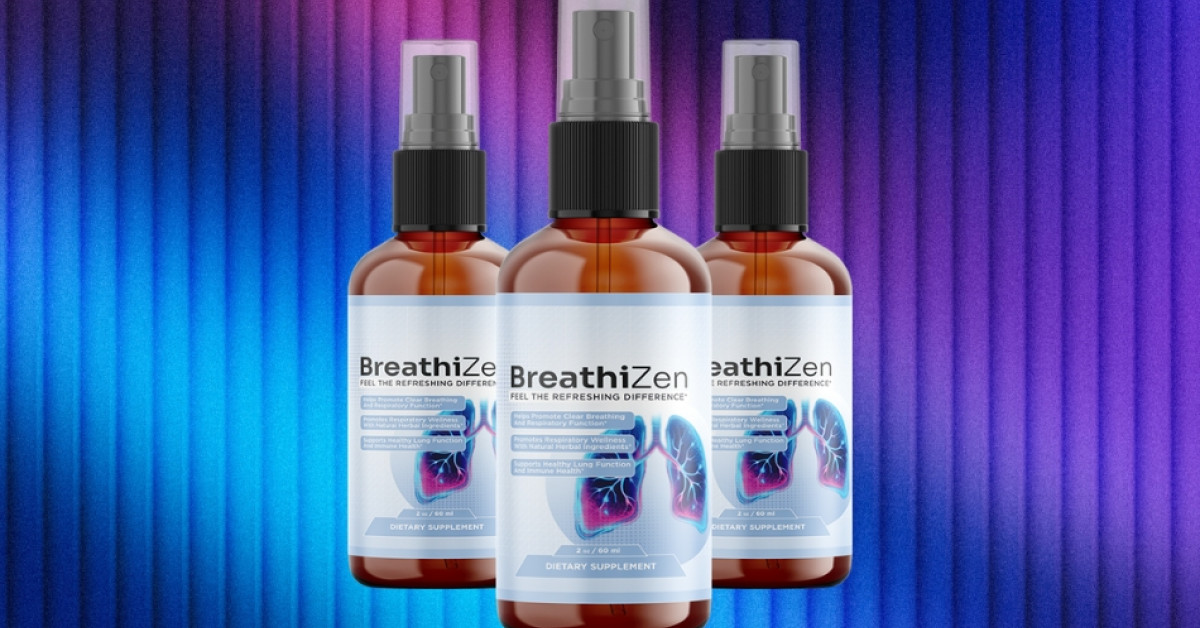
BreathiZen is a six-ingredient dietary supplement formulated around a cellular defense approach to respiratory wellness – meaning it supports antioxidant defenses against oxidative stress, promotes a healthy inflammatory response in airway tissue, and supports normal vascular function – rather than providing acute expectorant-style relief. Its formula includes green tea extract at 500 mg (98% polyphenols), citrus peel hesperidin at 300 mg, bacopa monnieri at 200 mg (45% bacosides), quercetin dihydrate at 150 mg, L-theanine at 100 mg, and pine bark proanthocyanidins at 100 mg – all at dosages that fall within ranges studied in peer-reviewed research.
It is not a lung cleanse. It does not treat, diagnose, cure, or prevent any disease or respiratory condition. It is a dietary supplement for adults who want to support everyday respiratory wellness proactively over weeks and months.
The company is BreathiZen Research 2026. It is sold through ClickBank. Returns require physical return of all bottles to a Florida address at the buyer’s expense within 60 days of delivery. The marketing says “no questions asked refund” – the legal terms say you pay to ship everything back.
Those are the facts. Everything below explains the reasoning behind them.
Is BreathiZen Legit? The Company and Product Verification
This is the question most people type into Google after seeing the ad, and it deserves a direct answer before anything else.
BreathiZen is a legitimate dietary supplement product. It is not a phantom brand, it does not redirect to a scam checkout, and its ClickBank distribution is standard and verifiable. ClickBank is a Delaware-based registered retailer and their name appears on the checkout page, which is how compliant ClickBank products operate.
The brand is BreathiZen Research 2026. The product’s official website is at breathizen-us.com. The product is manufactured in the United States in a facility that, according to the company’s published materials, is FDA-registered and GMP-certified. FDA registration refers to the manufacturing facility’s status in the FDA’s database – it does not mean the product itself has been reviewed or approved by the FDA. GMP certification means the facility follows current Good Manufacturing Practices, which is the federal standard for dietary supplement production. These are legitimate quality markers, not marketing fabrications.
The product sells through an affiliate marketing model, which is why you’re seeing it in ads across Facebook, Instagram, and YouTube simultaneously. Affiliate-distributed supplements are not inherently less legitimate than retail supplements – many well-known brands operate this way. What matters is whether the underlying product, company, and purchasing terms are verifiable and transparent. Based on the contact page, returns page, and terms of service published on the company’s legal subdomains, BreathiZen meets the standard verification tests.
Customer support can be reached at +1 (507) 448-8190 and at contact@customercs.com. The returns address is 11870 62nd St N, Largo, FL 33773. These are verifiable contact points, not dead links or generic contact forms with no response.
The one discrepancy worth flagging: the Terms of Service list Barbados jurisdiction and arbitration, which is a common offshore legal structure for some supplement brands. This does not indicate fraud, but it is worth knowing if legal disputes ever arose. For most buyers, the practical question is whether the refund process works – and that is addressed in the guarantee section below.
Bottom line on legitimacy: BreathiZen passes the standard verification checks. It is a real product sold by a verifiable company with real contact information and a returns process that, while not frictionless, is documented and reachable.
Why So Many People Are Searching for Respiratory Supplements Right Now
If you’re reading this in April or May 2026, your timing is not coincidental.
Spring 2026 has been documented across multiple climate and allergy tracking sources as one of the more aggressive pollen seasons in recent years. Tree pollen peaked simultaneously across the eastern United States in mid-April – oak, birch, and cedar releasing at the same time rather than in the staged sequence typical of prior years. Grass pollen season is building behind it. The allergy season started earlier and is running longer.
A quarter of American adults have a diagnosed seasonal allergy according to 2024 CDC data. A much larger number notice changes in their everyday respiratory comfort they don’t formally attribute to allergies – morning congestion, afternoon fatigue, the feeling of not quite getting a full deep breath, or a sense that daily activity feels more effortful than it once did.
These experiences are what drive people to respiratory supplement ads. And they’re also what determine which supplement approach actually makes sense for a given person.
The respiratory health supplements market was valued at approximately $9.46 billion in 2026 according to industry research, growing at a projected 7.75% annually through 2035. The category is large and legitimate. It is also crowded, with products ranging from scientifically grounded multi-mechanism formulas to herbal teas in capsule form with impressive-sounding marketing.
Understanding where BreathiZen fits in that landscape requires understanding what the different approaches actually do – which is what the next section covers before getting into the formula itself.
The Two Schools of Respiratory Supplement Design
If you’ve shopped this category before, you’ve probably encountered both camps without necessarily recognizing the distinction. It matters enormously for setting expectations.
School One: Herbal Expectorant / Lung Cleanse
Products like mullein supplements, eucalyptus capsules, and branded “lung detox” drops fall into this category. Their primary mechanism is expectorant and mucolytic – they help loosen and clear mucus from airways, creating a noticeable sensation of easier breathing relatively quickly. Mullein, peppermint, thyme, and oregano oil are the typical active ingredients. These products work through an acute surface-level mechanism. If you want to feel something quickly and your primary complaint is congestion or excess mucus, this category is often more appropriate for a short-term experience.
The limitation of herbal expectorants is that they address the sensation of obstruction, not the cellular and inflammatory environment that produces that obstruction over time. They are not designed to support antioxidant defenses, healthy mast cell function, or normal vascular circulation.
School Two: Cellular Defense / Antioxidant-Mechanism
This is where BreathiZen sits. Products in this category use antioxidant compounds, bioflavonoids, and adaptogenic herbs to work at the cellular level – supporting antioxidant defenses in lung tissue, promoting a healthy inflammatory response in the airways, supporting normal vascular function, and in BreathiZen’s case, supporting calm, relaxed breathing patterns through the autonomic nervous system component. These products operate over weeks to months. The effects are subtler and harder to attribute with certainty, but the mechanisms are better supported by peer-reviewed research in most cases.
The limitation of cellular defense supplements is that they require patience and consistent use. People who want to feel something in the first week are often disappointed, even when meaningful physiological support is occurring.
BreathiZen is a School Two product. This is not a criticism – it is the most important single fact for setting accurate expectations. If you’re looking for a product that produces a noticeable airway-opening sensation in 48 hours, this is not the right tool. If you’re looking for a formula designed to support your respiratory system over a consistent 60 to 90-day period, the ingredient profile is scientifically credible and the formula design covers more mechanisms simultaneously than single-ingredient or herbal-expectorant products in this market.
The Complete BreathiZen Formula: Every Ingredient, Every Dosage, What the Research Says
The serving size for BreathiZen is two capsules daily. The full formula per serving is listed below. All research cited in this section is ingredient-level research – studies examining these compounds individually or in combination. None of this research examines BreathiZen as a finished product. BreathiZen as a completed formula has not been independently studied in clinical trials. Ingredient-level research does not establish that any finished product produces a specific outcome.
Green Tea Extract (98% Polyphenols) – 500 mg
At 98% polyphenol standardization, this is one of the most concentrated green tea extracts available in the supplement market. The primary bioactive compound is epigallocatechin gallate (EGCG), a catechin that has generated substantial research interest for its effects on oxidative signaling and inflammatory pathways in lung tissue.
From a pulmonary research standpoint, EGCG has been studied for its effects on cytokine balance in airway tissue – cytokines being the signaling proteins that coordinate immune and inflammatory responses. Dysregulated cytokine activity in the respiratory tract is associated with the chronic low-grade airway inflammation many people experience as background respiratory friction rather than acute illness.
The antioxidant activity of green tea polyphenols is among the best-documented in the supplement research literature. Multiple decades of human population studies have examined associations between green tea intake and markers of pulmonary antioxidant status.
At 500 mg standardized to 98% polyphenols, BreathiZen’s green tea dose falls within ranges used in published human studies examining antioxidant outcomes – most of which used 400 to 800 mg daily of standardized extract.
This is ingredient-level research. These findings do not establish that BreathiZen as a finished product produces any specific antioxidant outcome for any individual.
Safety note for this ingredient: Green tea extract contains naturally occurring caffeine. At polyphenol-standardized rather than caffeine-standardized dosing, the actual caffeine content will be significantly lower than raw tea, but individuals with caffeine sensitivity should be aware. Those on blood thinners should consult their physician, as green tea compounds have mild anticoagulant properties in some research contexts.
Citrus Peel Extract (Hesperidin) – 300 mg
Hesperidin is a flavanone glycoside concentrated in citrus peel and pith, classified as a bioflavonoid – a category of plant compounds extensively studied for effects on vascular integrity and inflammatory regulation.
From a respiratory standpoint, hesperidin research has focused on two primary mechanisms. First, its effects on bronchial and capillary wall integrity – the tissue through which oxygen exchange occurs and where inflammatory processes can compromise membrane function. Second, its documented anti-inflammatory properties, with published studies examining hesperidin’s effects on airway inflammation markers.
Hesperidin has also been studied in the context of seasonal respiratory challenges, where flavonoid supplementation has been associated in some research with modulated immune responses relevant to everyday breathing comfort during high-pollen periods.
As with all ingredients in this section, these are ingredient-level research findings only. BreathiZen as a finished product has not been studied in clinical trials. At 300 mg, BreathiZen uses a dose within commonly researched ranges. Human studies on hesperidin have used 200 to 500 mg daily in vascular and anti-inflammatory investigations.
Bacopa Monnieri (45% Bacosides) – 200 mg
Bacopa is an adaptogenic herb from Ayurvedic medicine, most widely known for cognitive and stress-response research. Its inclusion in a respiratory formula reflects an emerging area of research connecting the autonomic nervous system directly to airway tone.
The physiological basis for this is well-documented: smooth muscle surrounding bronchial passages responds to autonomic nervous system signals. Bacopa’s studied effects on cortisol modulation and stress-response regulation represent the mechanism by which it may indirectly support calm, comfortable breathing patterns.
The brand’s framing of this as a “gut-lung-brain axis” effect is scientifically credible as a conceptual framework, though direct respiratory clinical trials for Bacopa at this specific dose are limited. The autonomic-respiratory connection is well-documented; Bacopa’s effect on that connection specifically is emerging science rather than settled consensus.
At 45% bacoside standardization and 200 mg daily, this dose is consistent with published adaptogenic and cognitive research (150 to 300 mg of standardized extract).
This ingredient-level research does not establish that BreathiZen produces stress-response or respiratory outcomes in finished-product form.
Safety note: Bacopa may cause mild gastrointestinal effects in some individuals. Taking BreathiZen with food is generally advisable.
Quercetin Dihydrate – 150 mg
Quercetin is the ingredient in this formula with the most directly relevant published research for the respiratory wellness use case as of 2026.
Its mast cell stabilization properties are the primary mechanism. Mast cells are immune cells concentrated throughout the respiratory mucosa that, when activated by allergens, pollutants, or other triggers, release histamine and other inflammatory mediators. Research has examined quercetin’s capacity to support healthy mast cell function and normal histamine response through its effects on the mast cell degranulation process and histamine receptor signaling.
A 2026 study published in Frontiers in Pharmacology examined quercetin’s effects on inflammatory signaling pathways in airway tissue models, finding associations with reduced inflammatory markers and modulation of PI3K/Akt/mTOR signaling. Separately, research at the NIH found that more than 25% of absorbed quercetin is localized in lung tissue – a distribution profile that supports respiratory-specific antioxidant applications. These are ingredient-level findings and do not establish finished-product outcomes for BreathiZen.
Quercetin sales in the United States increased approximately 229% between 2020 and 2022 according to industry data, making it one of the most rapidly growing supplement ingredients in the market. The clinical research base has strengthened accordingly.
Quercetin Dihydrate specifically is a water-solubilized form with superior bioavailability compared to standard quercetin, which is poorly absorbed from the GI tract in many individuals.
At 150 mg, BreathiZen uses a moderate dose. Clinical studies have used 500 mg to 1,000 mg for intensive effects, while 150 to 500 mg has appeared in histamine-related and antioxidant studies. For the mast cell stabilization mechanism specifically, this dose range is consistent with the lower end of research applications.
This ingredient-level research on quercetin does not establish finished-product efficacy for BreathiZen.
Safety note: Quercetin may interact with cyclosporine, quinolone antibiotics, and certain drug-metabolizing enzyme substrates. Discuss with your pharmacist if you are on any of these medication categories.
L-Theanine – 100 mg
L-Theanine is an amino acid found primarily in tea leaves, researched extensively for its effects on alpha brainwave activity and what researchers describe as alert relaxation – a calm, focused state without sedation.
In a respiratory context, its inclusion addresses the well-documented relationship between physiological tension and breathing patterns. Shallow, upper-chest breathing is associated with elevated sympathetic nervous system activation. People who notice their breathing worsens with stress – tighter chest, inability to get a full breath, conscious awareness of breathing – often benefit most from interventions that address the autonomic dimension, not just the structural airway.
L-Theanine’s documented effects on cortisol response and physiological stress markers, combined with Bacopa’s adaptogenic effects in the same formula, may create a synergistic approach to the autonomic-respiratory connection.
At 100 mg, this falls within the lower range of published research (studies have used 100 to 400 mg), and 100 mg has been used in multiple human studies examining relaxation and stress-response outcomes.
Pine Bark Extract (Proanthocyanidins) – 100 mg
Pine bark extract proanthocyanidins have been studied primarily for their effects on nitric oxide production and microvascular function. This is the ingredient in the formula most relevant to supporting normal vascular function as part of overall respiratory wellness, rather than focusing on the airway or inflammatory dimension.
Nitric oxide plays a key role in maintaining normal pulmonary vascular tone and is produced by endothelial cells lining blood vessels throughout the body, including those in the lungs. Pine bark proanthocyanidins have been studied for their effects on endothelial nitric oxide synthase activity. Studies on standardized pine bark extract have found positive associations with NO bioavailability and endothelial function markers in human populations.
For people whose everyday experience includes reduced stamina during activity or a general sense of lower energy, the vascular support component of this formula may be worth considering.
At 100 mg, this is within the range used in several published human studies on vascular outcomes.
As with all ingredients described in this guide, these are ingredient-level findings separate from any claims about BreathiZen as a finished product.
Safety note: Pine bark proanthocyanidins may have mild effects on vascular tone and platelet aggregation. Those on blood thinners or blood pressure medications should consult their physician.
How the Formula Works as a System
Looking at these six ingredients together rather than individually, the formula addresses four distinct mechanisms simultaneously – something almost no other respiratory supplement in this market segment attempts.
The first layer is antioxidant defense. Green tea polyphenols, quercetin, and pine bark proanthocyanidins each contribute antioxidant protection through distinct mechanisms, collectively targeting the oxidative burden lungs face from daily environmental exposure. This broad-spectrum approach reduces the risk that any single antioxidant pathway becomes a bottleneck.
The second layer is the regulation of inflammatory tone. Hesperidin and quercetin work through complementary anti-inflammatory mechanisms – hesperidin focusing on vascular membrane integrity, and quercetin adding mast cell stabilization and modulation of the histamine pathway. The overlap is intentional and supportive rather than redundant.
The third layer supports normal vascular function. Pine bark proanthocyanidins and hesperidin both contribute to capillary and vascular function, supporting everyday circulation and normal blood flow. This layer may be most relevant for people who notice energy and stamina changes alongside their respiratory wellness goals.
The fourth layer is the autonomic-respiratory bridge. L-Theanine and Bacopa Monnieri address the physiological tension component of breathing patterns – the relationship between stress response and airway tone that conventional respiratory supplements do not touch at all. This is the most distinctive and least widely understood aspect of the BreathiZen formulation.
None of this establishes what BreathiZen as a finished product does for any individual. These are ingredient-level mechanisms. Individual results depend on baseline respiratory status, environmental exposure, genetics, consistency of use, and numerous other variables.
BreathiZen Versus the Competition: What You’re Actually Comparing
The respiratory supplement space in 2026 has several distinct categories. Here is an honest comparison across the main alternatives you’re likely to encounter.
BreathiZen vs. Mullein-Based Products (LungClear, Betterbrand Mullein, generic Amazon mullein)
Mullein products operate through an expectorant mechanism – saponins and mucilage compounds that soothe the bronchial lining and assist natural mucus clearance. They are appropriate for acute congestion and mucus complaints. They do not address antioxidant defense, healthy mast cell function, or normal vascular support. If your primary complaint is congestion and mucus, a mullein product may produce more noticeable short-term relief. If your everyday respiratory wellness goals are deeper – supporting antioxidant defenses, a normal inflammatory response, and calm breathing patterns – mullein products address a different layer than BreathiZen.
BreathiZen vs. Breathe Drops / Herbal Tea Therapy Products
Breathe Drops are formulated for acute mucolytic and expectorant relief, using mullein, oregano oil, thyme, and manuka honey in liquid form. The liquid delivery system absorbs differently from capsules and may produce faster perceptible effects. The trade-off is that the formula lacks the antioxidant, mast cell, and vascular mechanisms present in BreathiZen. These products target different readers – someone seeking acute relief versus someone seeking cellular defense and long-term support.
BreathiZen vs. Quercetin Standalone Supplements (Thorne Quercetin Phytosome, Pure Encapsulations)
High-quality standalone quercetin products from clinical brands like Thorne often use superior bioavailability forms (quercetin phytosome) at higher doses (250-500 mg). If quercetin’s mast cell and histamine mechanism is specifically what you’re targeting, a dedicated quercetin phytosome product at higher dosage may deliver more targeted support than the 150 mg quercetin dihydrate in BreathiZen. The trade-off is that you lose the multi-mechanism formula coverage – you’d need to stack additional supplements to replicate BreathiZen’s other layers.
BreathiZen vs. Pulmo Balance (Quercetin + Pine Bark + Mullein + Tiger Milk Mushroom)
Pulmo Balance is an emerging competitor in the antioxidant-mechanism lane that shares pine bark proanthocyanidins and quercetin with BreathiZen. Its distinguishing features are a higher tiger milk mushroom focus (a traditional Southeast Asian respiratory herb in early research) and mullein for acute support alongside the cellular defense ingredients. It does not include the L-Theanine and Bacopa autonomic-respiratory components. If the stress-breathing connection is relevant to your situation, BreathiZen’s formulation addresses it; Pulmo Balance’s does not.
BreathiZen vs. Prescription Respiratory Treatments
This comparison is not meaningful from a clinical standpoint and should not influence decisions about prescribed medication. If you have asthma, COPD, or another diagnosed pulmonary condition requiring prescription medication, no supplement comparison is relevant. Prescribed respiratory therapies operate through pharmacological mechanisms that dietary supplements cannot replicate, and this distinction must never be blurred when making health decisions.
BreathiZen Pricing, Packages, and What You Actually Pay
According to the official BreathiZen checkout page, the following packages are currently available. All pricing information was accurate at the time of publication (April 2026) and is subject to change. Verify current pricing directly on the official page before purchasing.
The two-bottle package provides a 60-day supply. According to the company, this is priced at approximately $79 per bottle, totaling approximately $158. Standard shipping of $9.99 applies. The company’s checkout lists this as saving approximately $200 from the regular listed price.
The three-bottle package provides a 90-day supply. According to the company, this is priced at approximately $69 per bottle, totaling approximately $207. Free shipping is included with this package.
The six-bottle package provides a 180-day supply and is the best-value option. According to the company, this is priced at approximately $49 per bottle, with a total of approximately $294. Free shipping is included.
The checkout processes through ClickBank’s secure payment system, which accepts major credit and debit cards. ClickBank’s role as retailer is disclosed on the checkout page.
See current pricing and available packages on the official BreathiZen page
The brand’s recommendation for the six-bottle package is framed around giving the formula adequate time to demonstrate effects – respiratory antioxidant and anti-inflammatory mechanisms typically operate over weeks to months, and a six-month supply supports consistent long-term use without needing to reorder.
The 60-Day Guarantee: What It Really Means
The marketing headline says “100% satisfaction or your money back, 60 days, no questions asked.” That is accurate in its broad strokes but incomplete in its specifics. Here is what the company’s published returns policy actually requires.
The 60-day window begins from the date of delivery, not the date of purchase. If your shipping takes several days, those days count against your window.
To initiate a return, send an email to contact@customercs.com with “Refund Request” in the subject line.
All bottles must be physically returned to 11870 62nd St N, Largo, FL 33773. This includes empty bottles. You must include the packing slip. The company does not cover return shipping costs, so the buyer pays for shipping the bottles back.
After the company receives the returned items, refunds are typically processed within a few days. Final credit to your account takes 5 to 10 business days depending on your bank.
The practical implication: this is not a “keep the bottles if you’re unhappy” guarantee. It is a full-return guarantee that requires you to ship everything back at your expense. For someone who purchased two bottles, that cost is minimal. For someone who purchased the six-bottle package, return shipping could run $15 to $25 or more depending on the carrier and packaging. This should factor into your purchase decision, particularly for the larger packages.
The guarantee is real and the mechanism works – but “no questions asked” with no return shipping requirement is not what this policy provides. Transparency about this is important.
Who BreathiZen Is Most Likely to Help
BreathiZen May Align Well With People Who:
Are proactively managing age-related respiratory changes. Lung function begins a measurable, gradual decline after reaching a peak in young adulthood. For adults in their 40s through 60s noticing reduced exercise tolerance, slightly longer recovery from respiratory illnesses, or increased sensitivity to environmental triggers, consistent antioxidant and vascular support is scientifically logical. This is the primary demographic BreathiZen’s formula design serves.
Experience respiratory sensitivity during high-pollen seasons. With 2026 allergy season documented as earlier, longer, and more intense than prior years, the quercetin and hesperidin components targeting mast cell stability and histamine regulation are particularly relevant for people who notice their breathing worsens predictably every spring and summer. Starting consistent supplementation before peak pollen exposure – rather than after symptoms have already escalated – aligns with how these compounds are typically studied.
Live or work in high-pollution urban environments. People in cities with documented air quality challenges – Los Angeles, Houston, New York, Chicago, Atlanta – face elevated daily oxidative burden on lung tissue. The multi-layer antioxidant design of BreathiZen’s formula is directly relevant to this population. This is not a treatment for air pollution exposure, but the cellular defense mechanisms are logically suited to higher environmental oxidative load.
Notice a clear stress-breathing connection. If you observe that your breathing gets noticeably worse during periods of stress, anxiety, or high cognitive load – chest tightening, inability to take a satisfying deep breath, shallow breathing during demanding workdays – the L-Theanine and Bacopa Monnieri combination in this formula addresses a dimension of respiratory wellness that almost no other product in the market attempts. This is the most underserved sub-population in the respiratory supplement space.
Are former smokers seeking long-term lung wellness support. Former smokers face elevated oxidative damage accumulation in lung tissue and benefit most from consistent antioxidant support over extended periods. BreathiZen is not marketed or designed specifically for smoking recovery, and no claims are made about reversing smoking-related damage. However, the antioxidant and anti-inflammatory mechanisms are reasonably applicable to this population’s broader respiratory wellness goals, and the six-bottle package structure supports the extended timeframe most relevant for former smokers.
Prefer a consolidated multi-mechanism supplement over stacking individual products. To replicate BreathiZen’s six-ingredient coverage using clinical standalone products – a dedicated quercetin phytosome, a standardized green tea extract, a pine bark proanthocyanidins product, Bacopa, L-Theanine, and hesperidin – would require purchasing and managing six separate supplements with a combined cost likely significantly exceeding BreathiZen’s price point. For people who value formula consolidation and simplified daily dosing, this represents genuine practical value.
Other Options May Be Preferable for People Who:
Have a diagnosed pulmonary condition currently under medical management. If you have asthma, COPD, chronic bronchitis, pulmonary fibrosis, or any other diagnosed respiratory condition with an active treatment plan, any supplement decision needs to happen in conversation with your physician. BreathiZen does not replace, support, or interact with prescribed respiratory medications in any documented way, but the decision to supplement alongside prescription treatment belongs with your healthcare provider.
Are you looking for acute or immediate airway relief? If your primary goal is relief from active congestion, mucus, or an airway that feels actively obstructed right now, a herbal expectorant product in the mullein or eucalyptus tradition will produce more perceptible short-term results. BreathiZen is not designed for this use case.
Take cyclosporine, quinolone antibiotics, blood thinners, or blood pressure medications. Several ingredients in BreathiZen – quercetin, green tea extract, and pine bark proanthocyanidins – have potential interactions with specific pharmaceutical categories. This conversation must happen with your pharmacist before starting.
Are you pregnant or nursing? No adequate safety studies exist for this formula in pregnancy or lactation, which is the standard limitation across essentially all dietary supplements. Consult your physician.
Are significantly caffeine-sensitive. Green tea extract at this dose contains naturally occurring caffeine. The polyphenol standardization reduces relative caffeine content compared to raw tea extract, but individuals with significant sensitivity may experience stimulant effects.
Questions to Ask Yourself Before Deciding
Before committing to any respiratory supplement – BreathiZen or otherwise – these questions help clarify whether the product approach aligns with your actual situation.
Is your primary goal long-term cellular defense and resilience, or are you seeking relief from an active acute symptom? These are different goals that call for different products.
Have you had a medical evaluation for your breathing concerns? If not, that should come before a supplement purchase, particularly for symptoms that have been present for months or have worsened recently.
Are you taking any medications that could interact with antioxidant bioflavonoids or green tea compounds? Check with your pharmacist if uncertain.
Do you notice a clear stress-breathing connection – does your breathing feel worse when you’re tense, anxious, or overwhelmed? If yes, BreathiZen’s L-Theanine and Bacopa components may be particularly applicable to your situation.
Are you prepared to use this consistently for 60 to 90 days and evaluate honestly at that point? The cellular defense mechanisms in this formula do not produce perceptible changes in the first week. If you’re not willing to commit to a consistent 90-day trial, the shorter two-bottle package is a more appropriate starting point than the six-bottle package.
Does the return requirement – physical return at your shipping expense – change your risk calculus for the larger packages? For many people, the guarantee provides sufficient protection. For others, the logistics of returning six bottles reduces the practical risk protection below what the marketing implies.
What to Expect: A Realistic Timeline
BreathiZen does not publish a guaranteed week-by-week outcome timeline. What follows is based on how ingredient research is generally framed for these mechanism types, not on BreathiZen’s finished-product clinical data specifically. Individual timelines vary widely.
During the first two to three weeks, the antioxidant and anti-inflammatory compounds are accumulating to steady-state tissue levels. The most likely experience during this phase is nothing perceptible – or at most, a subtle change in morning respiratory comfort for people with significant baseline environmental exposure. The cellular support work is operating below the threshold of ordinary perception.
Between weeks three and six, people who do respond to formulas like this tend to notice directional changes. Common early indicators in this research area include reduced frequency of throat-clearing in the morning, somewhat improved breathing during light aerobic activity, and for people with the stress-breathing pattern, a reduction in the frequency or intensity of that chest-tension response. These are modest, directional changes – not dramatic transformations.
From weeks six through ninety days and beyond, people who continue consistent use through an environmental challenge period – a high-pollen spring, a summer with elevated ozone days, wildfire smoke events – sometimes report that their respiratory experience during those periods was milder or shorter-duration than in prior seasons. This kind of outcome is inherently difficult to attribute with certainty to any supplement, but it represents the experience profile that generates continued long-term use in this category.
Some people notice changes earlier. Some notice nothing during a full 60-day trial. Biological variability between individuals – in baseline inflammatory status, genetics, environmental exposure, and gut absorption – is substantial enough that population-level ingredient research cannot reliably predict your individual response.
The Problem Most Respiratory Supplements Don’t Solve
There’s a gap in this market that explains why so many people who try respiratory supplements come away disappointed even when the product is legitimate.
Most respiratory supplement buyers are not dealing with a single, clearly defined problem. They’re dealing with a constellation of related experiences that together add up to “my breathing isn’t right and I don’t know why.” Let’s name those experiences precisely, because which ones apply to you determines which supplement approach actually makes sense.
Morning lung heaviness. Waking up with a chest that feels thick, tight, or congested – sometimes producing a need to clear the throat or cough – then gradually loosening over the first hour or two of the day. This pattern is associated with overnight mucus accumulation and inflammatory overnight tone that normalizes with morning activity.
Reduced everyday breathing comfort during activity. Climbing a flight of stairs, walking uphill, or engaging in light aerobic activity and noticing that it feels more effortful than it once did. This experience is often attributed solely to age and fitness level when it may also have a respiratory wellness component – and the vascular support mechanisms of pine bark proanthocyanidins and hesperidin in BreathiZen address this dimension specifically.
Seasonal breathing deterioration. A reliable pattern of worsening respiratory comfort during specific seasons – spring pollen, fall ragweed, summer ozone and smoke days – that doesn’t fully resolve at the end of the season but leaves a slightly elevated baseline for the next one. This cumulative pattern is what researchers sometimes describe as the “ratchet effect” of repeated seasonal inflammatory exposure.
The feeling of not being able to take a full breath. The sensation of air hunger – needing to consciously breathe more deeply to feel satisfied – that occurs without any structural obstruction. This experience is frequently tied to the autonomic-respiratory connection that most supplements do not address: shallow breathing patterns established by chronic tension or stress that become habitual even when the triggering stress is absent.
Low-grade persistent congestion. Not a cold, not a diagnosed sinus condition, just a persistent mild blockage that seems to live year-round in the background with seasonal fluctuations. This experience often correlates with chronic low-grade airway inflammation that the anti-inflammatory and mast cell-stabilizing components of a formula like BreathiZen are designed to support.
Low energy during environmental respiratory challenges. Feeling noticeably fatigued during high-pollen periods, smoky days, or illness recovery – a fatigue that tracks closely with respiratory wellness and may reflect the cumulative demands that elevated environmental exposure places on the body.
Not everyone has all of these experiences. Most people have two or three. The specific pattern you’re experiencing matters for determining which supplement approach is most relevant. BreathiZen’s multi-mechanism cellular defense design covers multiple patterns simultaneously, which is why it’s positioned as a comprehensive formula rather than a targeted single-mechanism product.
The Autonomic-Respiratory Connection: Why the Nervous System Affects Breathing
This section addresses one of the most underserved and underdiagnosed patterns in adult respiratory wellness, and it’s the primary reason L-Theanine and Bacopa Monnieri are included in BreathiZen’s formula.
A significant portion of adults who experience everyday breathing that feels less comfortable or relaxed than it once did – difficulty getting a deep, satisfying breath, or a sense of chest tension – may be experiencing something strongly influenced by the nervous system rather than airway structure alone. Their physicians may have confirmed normal lung function. The nervous system dimension is often underaddressed.
What’s happening in many of these cases is a learned pattern of upper-chest, shallow breathing driven by sustained sympathetic nervous system activation – the physiological state associated with chronic sympathetic nervous system activation. When the body is in a low-level threat state, the breathing pattern shifts: more rapid, shallower, higher in the chest, with less diaphragmatic involvement. This is adaptive in the short term and profoundly inefficient for extended periods.
The problem compounds: shallow breathing reduces effective oxygen exchange, creating mild physiological discomfort that reads to the brain as a breathing problem, which increases vigilance and shallow breathing further. This self-reinforcing cycle can persist indefinitely without any structural respiratory issue at all.
The research on Bacopa Monnieri and L-Theanine addresses this cycle from two angles. Bacopa’s cortisol-modulating and adaptogenic effects support the underlying stress response that drives sustained sympathetic activation. L-Theanine’s alpha brainwave effects support a state of alert calm that research associates with more relaxed, diaphragmatic breathing patterns.
This is not a quick fix for this pattern. The autonomic nervous system and its associated muscle tension patterns are slow to change. But consistent supplementation with compounds that support the nervous system’s natural downregulation – alongside conscious attention to breathing patterns – represents a physiologically coherent approach to a problem that antihistamines, expectorants, and even pulmonary rehabilitation programs often fail to address.
If you recognized yourself in the description above – “doctor said I’m fine but I still can’t breathe deeply” – this dimension of BreathiZen’s formula may be the most relevant to your specific situation.
Understanding the BreathiZen Buyer’s Journey: What Other People Like You Did
One of the most practically useful things a supplement review can do is map the experience of people who are most like you – not testimonials, but behavioral patterns that help you recognize where you are in the decision process and what that implies.
The person who buys the two-bottle package is typically someone who is skeptical but curious. They have never tried a respiratory supplement before or have been disappointed by something in the category. They want to test the experience without committing to an extended trial. Two bottles give them 60 days – exactly the window the guarantee covers. This is the right choice for anyone who is uncertain about the product’s fit for their situation and unwilling to pay shipping costs for a full return on a six-bottle order if it doesn’t work.
The person who buys the three-bottle package has typically either done more research before buying or has a history with wellness supplements and is accustomed to giving new formulas a 90-day window. The free shipping at this tier versus the $9.99 shipping on the two-bottle package represents better cost-per-bottle pricing for people who are fairly confident they’ll see the trial through, based on the per-bottle price differences published on the checkout page.
The person who buys the six-bottle package falls into two categories. The first is someone who has already identified that cellular-defense respiratory supplementation is something they want to do consistently – perhaps they’ve used standalone quercetin or pine bark products before and see the formula consolidation value clearly. The second is someone who was persuaded by the per-bottle discount and the brand’s recommendation without fully thinking through the return logistics. For this second group, the guarantee’s return-at-your-expense terms are the wake-up call that comes after the purchase rather than before it.
This is not a criticism of any of these choices. It is information that helps you identify which profile fits your situation before you click buy.
Air Quality, Environment, and Who Needs This Most in 2026
The respiratory supplement category exists at the intersection of individual health and environmental reality. Understanding the environmental context of 2026 helps explain why this category is growing at 7.75% annually and why the ads you’re seeing are reaching you right now.
Urban air quality in the United States remains a meaningful daily stressor for tens of millions of adults. The EPA’s AQI data shows that a significant percentage of Americans live in counties that exceed recommended exposure limits for at least some pollutants on a regular basis – ground-level ozone in summer, particulate matter year-round in heavily trafficked urban corridors, wildfire smoke increasingly affecting regions far from active fires.
Each of these exposures generates reactive oxygen species in lung tissue. The accumulation over years and decades of this oxidative burden – combined with the natural decline of endogenous antioxidant production with age – creates the background condition that cellular defense supplements are designed to address.
Former smokers face a more acute version of this: years of direct oxidative damage to bronchial epithelium and alveolar tissue that the body’s natural repair processes work on indefinitely after quitting. The most recent estimates put nearly 31 million Americans in the former smoker category – people who have made the right health decision by quitting and who may be in a particularly relevant window for long-term antioxidant respiratory support.
Indoor air quality is the underappreciated dimension. Americans spend approximately 90% of their time indoors, and indoor air can contain elevated concentrations of VOCs from cleaning products, off-gassing from building materials, dust particulates, and mold spores – particularly in older buildings and in regions with significant humidity variation between seasons. The average office worker or remote employee is getting meaningful indoor air exposure alongside their outdoor pollution exposure, not instead of it.
BreathiZen’s antioxidant and anti-inflammatory formula design is not a solution to air quality problems – the only solution to those is reducing the exposure. It is a support tool for the physiological consequences of unavoidable exposure, for people who want to give their lungs the nutritional backup to handle what they can’t always control about the air they breathe.
How to Get Started With BreathiZen
For people who have decided to try BreathiZen, the purchase process is straightforward.
Navigate to the official BreathiZen page using the link in this article. Select your preferred package – two, three, or six bottles – based on your confidence level and budget. Complete the checkout through ClickBank’s secure payment processor, which accepts major credit and debit cards. Verify the order summary carefully before confirming, including that no subscription or auto-renewal has been added without your consent. Save your order confirmation email.
The brand recommends two capsules daily. Taking with food supports tolerability, particularly for the Bacopa Monnieri component. There is no specific time-of-day requirement – morning dosing is most common for consistency and for alignment with daily routines.
Give the formula a meaningful evaluation period. The cellular defense mechanisms require weeks of consistent intake before the tissue levels relevant to their effects are established. Evaluating at one week is not a valid test. Evaluating at 60 to 90 days with attention to specific everyday experiences – morning respiratory comfort, how breathing feels during activity, and comfort during high-pollen periods – is a more useful framework.
If you decide the product is not working for your situation within the 60-day window, email contact@customercs.com promptly, ship all bottles back to the Florida address at your expense, and allow 5 to 10 business days for the refund to process.
Check current BreathiZen availability and pricing here
The Transparency Section: What This Review Is and Is Not
This review is affiliate-compensated advertorial content. The affiliate relationship is disclosed at the top of this article and in the disclaimer bundle at the bottom. A commission is earned if you purchase BreathiZen through the links provided.
That relationship does not change what this article has done: verified pricing and guarantee terms from the brand’s legal pages rather than just marketing copy, disclosed the return shipping requirement that the “no questions asked” marketing language omits, noted the Barbados jurisdiction clause in the Terms of Service that most reviews ignore, described the two-bottle package as the appropriate choice for skeptical first-time buyers rather than pushing the six-bottle option for a larger commission, and identified the specific medication interaction risks relevant to this formula.
What this review cannot do is independently verify the formula’s efficacy in finished-product form, audit the manufacturing facility, or confirm that what’s in the bottle matches the label. Those validations require third-party lab testing resources that are beyond the scope of editorial content. Buyers who want that level of verification should request a current Certificate of Analysis from the brand directly before purchasing.
The standard applied throughout this article: what information does someone who saw the BreathiZen ad actually need to make an honest, informed decision about whether this product fits their situation? That standard – not the standard of maximum conversion – is what this guide is built around.
Frequently Asked Questions
Is BreathiZen FDA-approved?
No. Dietary supplements in the United States are not FDA-approved before going to market. They are regulated as a food category under DSHEA. The FDA monitors post-market for safety issues but does not review supplement products for safety and efficacy before they are sold. According to the company’s materials, BreathiZen is manufactured in an FDA-registered, GMP-certified facility. FDA registration applies to the manufacturing facility, not to the product itself.
How long before I notice a difference?
The honest answer is that this depends heavily on your baseline situation and the specific mechanisms most relevant to your respiratory experience. The cellular defense mechanisms in this formula operate over weeks to months. People with significant baseline environmental exposure sometimes report changes in their everyday respiratory comfort in the three-to-six-week range. Others report no noticeable difference within a 60-day trial. Individual timelines vary widely and cannot be predicted from ingredient research alone.
Can I take BreathiZen with my existing supplements or medications?
For supplements, most standard multivitamins should not present category-level conflicts, though specific overlaps depend on what your multivitamin contains. For medications – particularly blood thinners, blood pressure medications, cyclosporine, and quinolone antibiotics – this is a question for your pharmacist, not a review article. Several ingredients in BreathiZen have documented potential interactions with specific pharmaceutical categories.
Is there a hidden subscription?
According to the brand’s published materials, BreathiZen is a one-time purchase with no automatic renewals or hidden fees. Always verify this at the checkout page and review your order confirmation before finalizing the purchase.
What is the serving size and how should I take it?
The serving size is two capsules daily. Taking with food is generally advisable, particularly to support tolerability of the Bacopa Monnieri component.
I have a diagnosed respiratory condition – is BreathiZen appropriate for me?
BreathiZen is a dietary supplement. It is not designed, studied, or approved for the management of any diagnosed pulmonary condition, including COPD, asthma, chronic bronchitis, or pulmonary fibrosis. If you have a diagnosed respiratory condition, your treatment plan is managed by your physician and any supplement decision belongs in that conversation. Do not use any supplement as a substitute for prescribed respiratory treatment.
Is there caffeine in BreathiZen?
Yes, naturally occurring caffeine is present through the green tea extract. The polyphenol standardization of the extract means actual caffeine content is lower than an equivalent dose of raw green tea extract, but it is not caffeine-free. Individuals with significant caffeine sensitivity should discuss this with their physician.
What if I want to return it?
Email contact@customercs.com with “Refund Request” in the subject line within 60 days of delivery. Return all bottles including empties to 11870 62nd St N, Largo, FL 33773 at your expense. After the company receives your return, refunds typically process within a few days and appear on your statement within 5 to 10 business days depending on your bank.
Why does the formula include Bacopa Monnieri in a respiratory supplement?
Bacopa is included for what the brand describes as the autonomic-respiratory connection – the relationship between the nervous system’s stress-response state and bronchial smooth muscle tone. This mechanism is scientifically credible. Whether it produces meaningful effects at this dose for a given individual is an open question, but the inclusion rationale goes beyond the typical single-herb expectorant logic and addresses a distinct physiological mechanism.
Does BreathiZen help with snoring or sleep apnea?
No claims are made and no evidence is available for these specific applications. Sleep apnea is a medical condition requiring diagnosis and treatment by a physician. Some users of respiratory wellness supplements in general report improved sleep quality attributed to reduced nighttime respiratory friction, but this is anecdotal and not a product claim.
The Seasonal Context: Spring and Early Summer 2026
If you’re reading this during spring or early summer 2026, the timing aligns with the period when environmental pollen and allergen load is typically at its highest for most of the continental United States.
Pollen from deciduous trees peaks across the eastern United States in late April according to data from Climate Central and NOAA. Birch pollen surged explosively in the Northeast and Midwest in mid-April 2026 following a rapid temperature spike, according to multiple allergy tracking sources – releasing simultaneously rather than in the staged sequence that typically allows people to adapt gradually. Grass pollen season is building through May and June behind it. And the 2026 allergy season is documented as earlier and longer-lasting than recent prior years due to warmer-than-average temperatures extending the growing season.
For the mast cell and histamine dimension of the BreathiZen formula, timing of supplementation relative to allergen exposure matters. Research on mast cell-stabilizing compounds like quercetin is generally framed around consistent pre-exposure intake – maintaining membrane stability before high-allergen conditions rather than managing reactivity after it has already escalated. People who begin supplementation at the start of allergy season rather than in the middle of it are giving the formula its most realistic chance of demonstrating effects.
According to Climate Central’s 2026 pollen season analysis and reporting from the American Academy of Allergy, Asthma, and Immunology, tree pollen typically peaks across the eastern U.S. in late April, with grass pollen season building from late April through June. For people considering a mast cell-stabilizing respiratory supplement, starting consistent use ahead of this window – rather than after seasonal reactivity has already escalated – is consistent with how researchers typically frame preventive supplementation timing. This is an educational observation about seasonal timing, not a guarantee of any product outcome.
For people in the Southeast and South, who are dealing with simultaneous tree, grass, and early mold exposure simultaneously in April and May, the multi-mechanism anti-inflammatory and antioxidant design of BreathiZen is particularly relevant to the environmental challenge profile of this specific season.
Final Verdict
BreathiZen is a six-ingredient formula with each ingredient dosed within ranges found in published research, addressing four distinct mechanisms simultaneously – antioxidant defense, healthy inflammatory response support, vascular function support, and the autonomic-respiratory connection. The formulation logic is coherent and each mechanism is supported at the ingredient level.
The company is legitimate and verifiable. The return process is real but requires physical return at the buyer’s expense. The timeline for seeing any effects is weeks to months, not days. The formula is designed for consistent long-term use, not acute relief.
The case for considering BreathiZen is strongest for adults proactively managing age-related respiratory wellness, dealing with seasonal pollen periods, living in high-pollution urban environments, or experiencing a clear stress-breathing connection. For these use cases, the formula’s ingredient profile addresses mechanisms that are directly relevant to each situation.
The considerations to weigh before buying: this is not a quick fix, the return process requires more effort than the marketing implies, and no supplement replaces medical care for anyone with a diagnosed respiratory condition. If your goal is immediate relief from active congestion or mucus, a different product category – herbal expectorants – is more appropriate.
If the formula’s approach and timeline align with your goals and you are using this as a complement to appropriate medical care and basic respiratory lifestyle practices, BreathiZen represents a defensible choice with a scientifically grounded rationale.
Important note: The dietary supplement category, and the respiratory wellness segment specifically, has attracted increasing regulatory and editorial scrutiny in recent years. Readers are encouraged to review the most current information about any supplement’s compliance standing and verify published ingredient information against current product labels before purchasing.
Get started with BreathiZen on the official product page
Contact and Support Information
For questions before or after purchasing, the following contact information is published on BreathiZen’s official support pages. Always verify current details on the official website before reaching out, as contact information is subject to change.
Company: BreathiZen
Phone: +1 (507) 448-8190
Email: contact@customercs.com
Returns Address: 11870 62nd St N, Largo, FL 33773
Disclaimers
FDA Health Disclaimer: These statements have not been evaluated by the Food and Drug Administration. This product is not intended to diagnose, treat, cure, or prevent any disease. Always consult your physician before starting any new supplement, especially if you have existing health conditions, take medications, or are pregnant or nursing.
Professional Medical Disclaimer: This article is educational and does not constitute medical advice. BreathiZen is a dietary supplement, not a medication. If you are currently taking medications, have existing health conditions, are pregnant or nursing, or are considering changes to your health regimen, consult your physician before starting BreathiZen or any new supplement. Do not change, adjust, or discontinue any medications or prescribed treatments without your physician’s guidance and approval.
Results May Vary: Individual results will vary based on factors including age, baseline respiratory health, environmental exposure history, lifestyle factors, consistency of use, genetic factors, current medications, and other individual variables. While some customers report improvements, results are not guaranteed.
FTC Affiliate Disclosure: This article contains affiliate links. If you purchase through these links, a commission may be earned at no additional cost to you. This compensation does not influence the accuracy, neutrality, or integrity of the information presented. All descriptions are based on published ingredient research and publicly available information from the brand’s official materials.
Pricing Disclaimer: All prices, discounts, and promotional offers mentioned were accurate at the time of publication (April 2026) but are subject to change without notice. Always verify current pricing and terms on the official BreathiZen website before making your purchase.
Publisher Responsibility Disclaimer: The publisher of this article has made every effort to ensure accuracy at the time of publication. We do not accept responsibility for errors, omissions, or outcomes resulting from the use of the information provided. Readers are encouraged to verify all details directly with BreathiZen and their healthcare provider before making decisions.
Ingredient Interaction Warning: Some ingredients in BreathiZen may interact with certain medications or health conditions. Green tea extract contains naturally occurring caffeine and has mild anticoagulant properties in some research contexts. Quercetin Dihydrate may interact with cyclosporine, quinolone antibiotics, and certain drug-metabolizing enzyme substrates. Pine Bark Extract proanthocyanidins may have mild effects on vascular tone and platelet aggregation. Bacopa Monnieri may cause mild gastrointestinal effects in some individuals. Always consult your healthcare provider before starting any supplement, especially if you take blood thinners, blood pressure medications, immunosuppressants, or have any chronic health conditions.
SOURCE: BreathiZen
Source: BreathiZen