
Reviewed by Dietitian Alyssa Pike, RDN
Credit: Photographer: Greg DuPree. EatingWell design.
Key Points
Adding fiber-rich foods like oats can lower the risk of age-related diseases and support longevity.
A balanced diet, stress management and regular exercise are key to aging well.
While aging is inevitable (and a gift if we really think about it), most of us want to feel good as we do so. Adding more fiber to your diet is one habit with a big potential payoff in long-term health benefits. Fiber doesn’t just support gut health and regularity, it can also lower your odds of many age-related health conditions like heart disease, stroke, type 2 diabetes, and cancer—which can help you live a longer and healthier life. The only problem is that most of us aren’t getting enough fiber in our diet on a regular basis to take advantage of those age-related benefits.
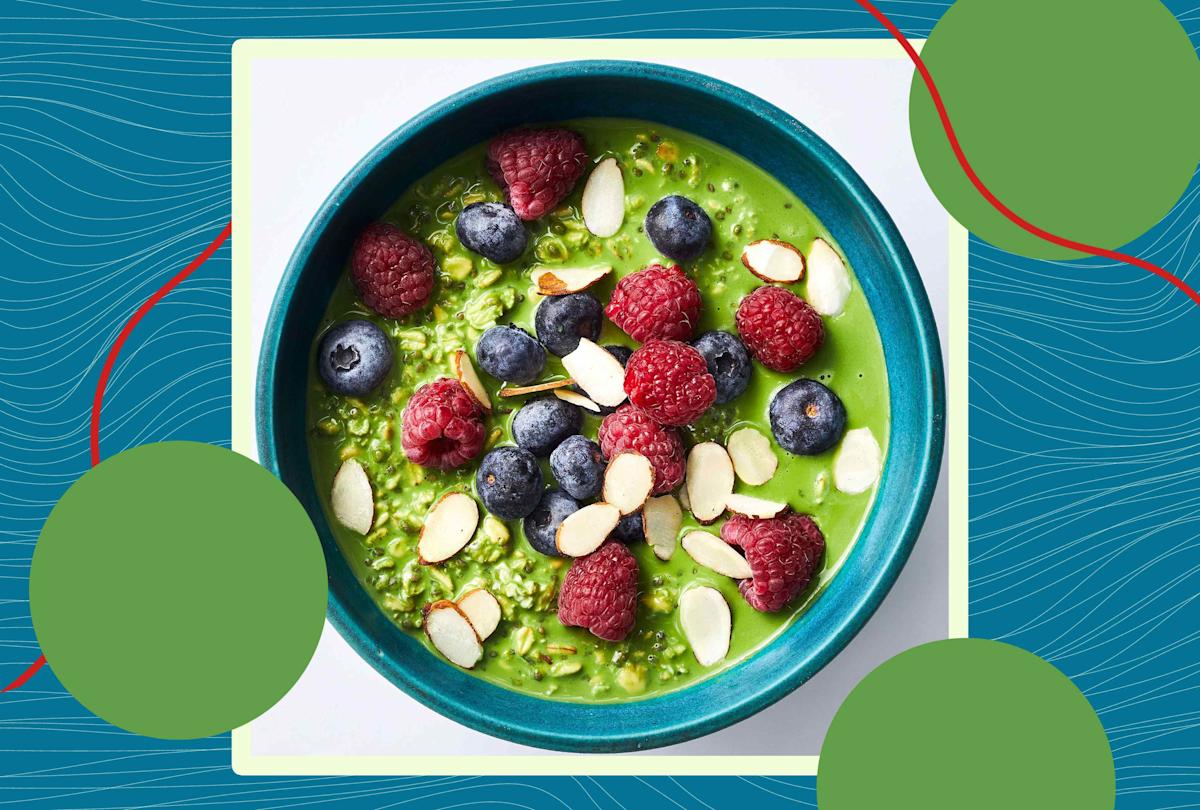
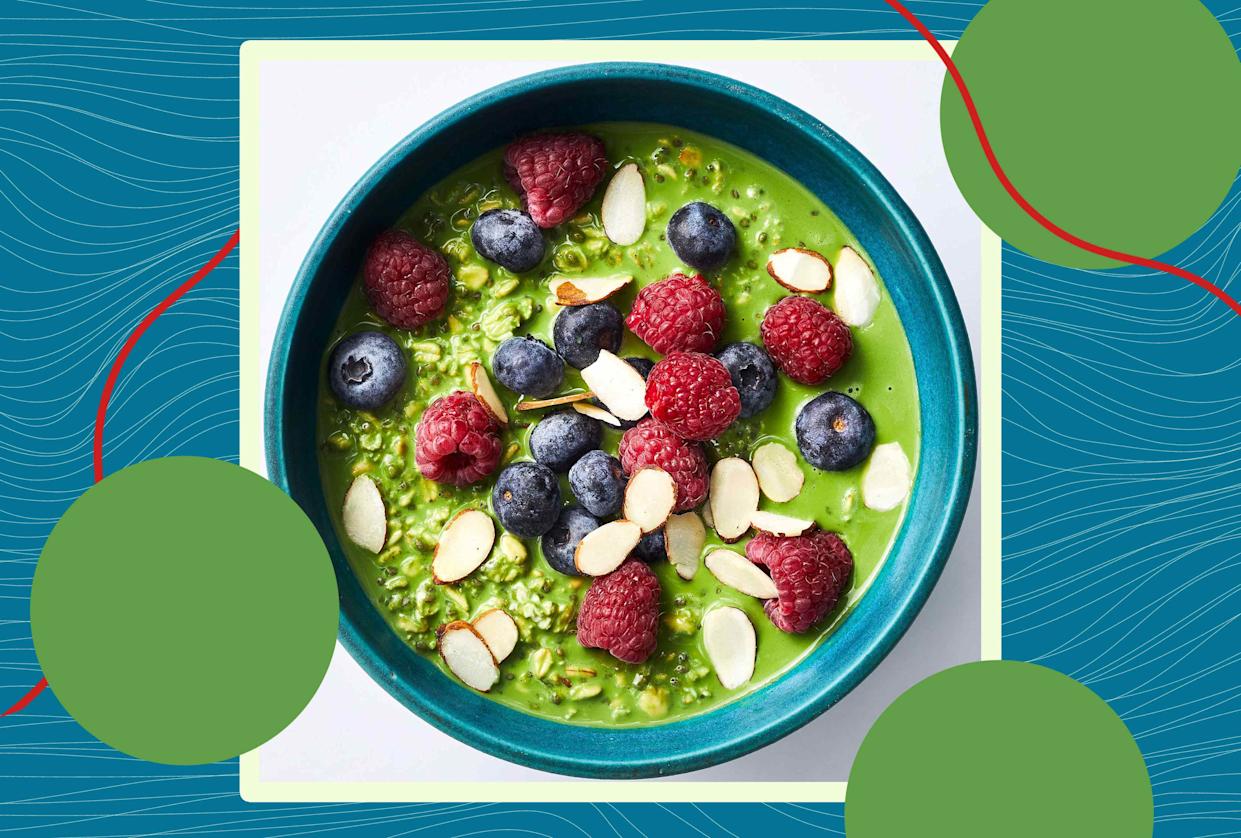
Breakfast is a great place to start when you’re looking to add more fiber to your diet and get closer to meeting the recommended 25 to 38 grams of fiber per day. So what’s the best high-fiber breakfast to slow aging? We spoke to dietitians and, no surprises here, oats were a key ingredient. Read on to find out why these overnight matcha oats with berries were the top high-fiber breakfast pick, according to dietitians.
Filled with Fiber
Prep a bowl of these overnight matcha oats for your breakfast and you’ll knock out a whopping 11 grams off your daily fiber goal—but you’ll also reap plenty of added benefits. “The base of this bowl (oats and chia seeds) is rich in both soluble and insoluble fiber, which supports gut microbiome diversity, helps lower cholesterol and stabilizes blood sugar,” says Jaime Shelbert, RDN, LDN. Research suggests that the overall health of your gut microbiome may be a key driver in longevity, since it plays an active role in preventing inflammation and keeping your immune system in top-top shape.
High in Protein
Eggs and yogurt aren’t the only breakfast foods with protein: Oats actually provide 5 grams of protein per half-cup serving (just 1 gram shy of the protein in one egg). Plus, there are plenty of ways to give your oats a protein boost. In this recipe, the oats are combined with chia seeds and soaked overnight in nonfat milk, giving the finished recipe an impressive 27 grams of protein per serving.
Staying on top of your protein intake can help curb the loss of muscle mass, which decreases 3% to 8% per decade after the age of 30. Here’s why it’s so important to be proactive. “Muscle helps your insulin work better, strengthens bones and joints, makes it easier to maintain a healthy weight, and improves balance, helping you stay more mobile, even into old age,” explains Anne Danahy, M.S., RDN.
Abundant in Antioxidants
Berries and matcha, a powder made from finely ground green tea leaves, don’t just add color to this pretty bowl of overnight oats; they’re packed with antioxidants too. “Antioxidants help fight free radicals, or natural compounds that build up and negatively affect the body as we age,” explains Amy Henderson, M.S., RDN, LD. “When we keep inflammation lower, our body feels better and we age more gracefully.”
In fact, these oat add-ins may be two of the best foods you can eat to keep your heart, blood vessels and brain healthy, per Danahy. “Both are rich in polyphenols, antioxidant compounds that protect blood vessels and keep them flexible so they dilate easily as blood pumps through. Evidence suggests that when eaten regularly, berries can help reduce blood pressure in people with hypertension,” she adds. Plus, Danahy explains that berries are a top Mediterranean–Dietary Approaches to Stop Hypertension (DASH) Intervention (MIND) diet food that protects brain health and reduces dementia risk thanks in part to their antioxidants. To double down on the brain benefits, green tea polyphenols like those found in matcha also help support working and long-term memory, especially in middle-aged and older adults.
Tips for Healthy Aging
“Aging isn’t just about living longer; it’s about feeling good and enjoying your life,” says Henderson. “The right foods help your body stay strong and energized, so you can truly enjoy the years ahead,” she adds. So in addition to adding this high-fiber breakfast to your routine, here are some other diet and lifestyle habits that can help you feel your best now and for years to come.
Eat more plants: “Fruits, vegetables, whole grains (like oats), nuts, seeds and plant oils like olive oil are full of nutrients and compounds that nourish and protect every cell in your body. By adding more of these foods at each meal, you’ll leave less room for ultra-processed foods that can accelerate the aging process and increase your risk of chronic health problems,” says Danahy.
Manage stress: “Stress plays a bigger role in aging than most people realize,” says Henderson. “In fact, chronic stress has been linked to a higher risk of heart disease and impacts your sleep, mood and immune system. Find time to build in moments of calm throughout your day, whether you’re getting outside to enjoy a walk or doing some deep breathing before your meal,” she says.
Don’t stop moving: “It’s common to want to slow down and sit more as you age, but everyone needs at least 150 minutes of moderate-intensity physical activity each week” says Danahy. That physical activity can be as simple as a daily walk. “Research shows regular walking can reduce the risk of chronic disease, support brain health and improve overall well-being and longevity,” says Shelbert. Adding on strength training exercises two to three times per week can do even more to help maintain muscle and support bone density.
Our Expert Take
You can’t go wrong starting your day with a bowl of these overnight matcha oats with berries. “This tasty overnight oats recipe is a powerhouse prescription that checks all the boxes for healthy aging,” says Danahy. “Each ingredient has health benefits supported by research, so it’s a perfect example of using food as medicine to help prevent and manage some of the most common health problems that tend to pop up after 40.” With this tasty make-ahead breakfast, you’ll be tackling inflammation, supporting your gut health and helping to preserve muscle mass so you can feel your best for years to come.
Read the original article on EatingWell