
The six groups of wellness tourists can be divided as follows:
Group 1: Health-Conscious Individuals
They show strong habits in caring for both physical and mental health, exercise regularly, are interested in nutrition and healthy food, and focus more on prevention than treatment.
Group 2: Working Adults & Millennials
They want to escape the stress of urban life or work and are looking for experiences that help reset their lives.
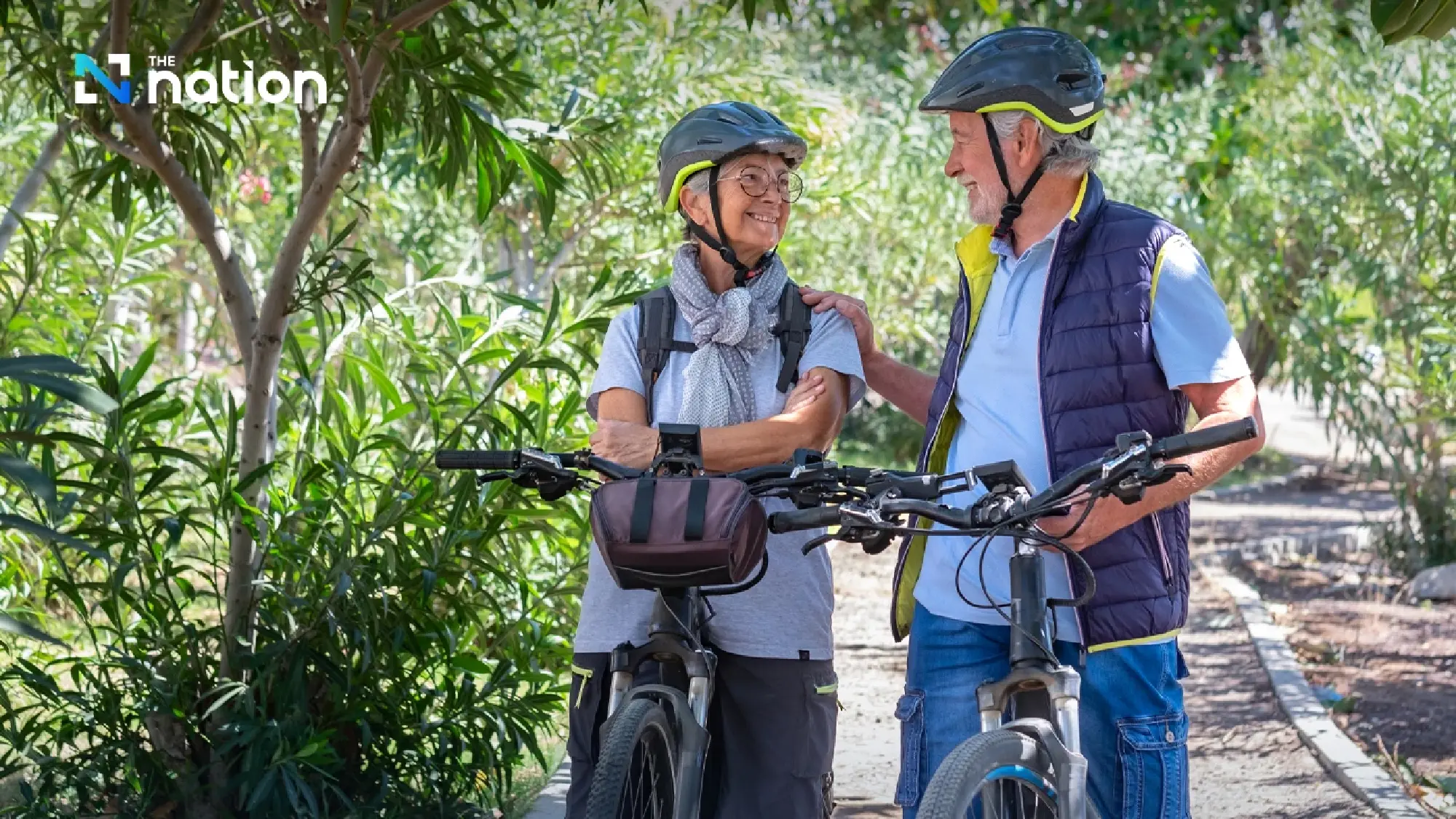
Group 3: Older Adults & Retirees
They seek healthcare, physical recovery and anti-ageing support, and look for quiet places and long-stay restorative services.
Group 4: Life Reboot Seekers
These are people who have recently gone through stress or burnout and need time to restore or reset both body and mind.
Group 5: High Spending Wellness Seekers
They are willing to pay for quality and special services, value time and health more than price, and usually choose certified or well-known destinations.
Group 6: International Travellers
They often travel to combine leisure with health care (Leisure+Health) and are interested in local culture, herbs, Thai traditional medicine, and the unique identity of wellness tourism in Thailand.
Wellness highlights across Thailand
An in-depth study of the behaviour of international wellness tourists in Thailand will help support the development of wellness products and services that match travellers’ needs more appropriately.
The distinctive features of Thailand’s wellness tourism and the wellness activities that travellers from different countries are interested in can be summarised as follows:
“Upper North” stands out for Lanna medicine and indigenous herbs, temples and meditation centres suited to meditation and mental restoration, healthy local food with medicinal qualities, and soaking in natural hot springs.
“Lower North” is notable for historical parks and World Heritage sites suited to meditation for mental renewal, Mindfulness Hiking or walking meditation in forests, local wellness rituals such as Yam Khang, and herbal spas and Thai herbal steaming.
“Upper Northeast” stands out for meditation centres, temples and natural attractions suited to meditation, healthy local cuisine rich in herbs and indigenous vegetables, and health farms and organic agriculture that support the farm-to-table concept.
“Lower Northeast” is known for natural attractions and national parks suited to recovery through nature therapy, meditation centres and old temples suited to mental healing through meditation, and ancient Isan massage or Khid Sen massage.
“Upper Central” stands out for meditation centres and old temples suited to meditation, nature walks and forest bathing, Thai herbal steaming and herbal spas.
“Lower Central” is known for premium wellness resorts or wellness retreats, organic tourism sites and health farms that support the farm-to-table concept, and healthy food made from local ingredients.
“South” is notable for beaches and islands with world-class wellness resorts and seaside yoga, as well as hot springs and natural mineral waters suited to hydrotherapy.
“Southern Gulf Coast” stands out for organic agriculture sites and herbal gardens that support the farm-to-table concept, and natural spa experiences.
“Southern Andaman Coast” is notable for beaches and islands with wellness resorts and seaside yoga, healthy local food made with herbs, and organic agriculture sites and organic farms.
“East” is known for beaches and wellness resorts with wellness retreats and seaside yoga services, herbal centres and Thai traditional medicine, indigenous medicine centres, organic health farms that support the farm-to-table concept, and sound healing activities.
“Bangkok” offers world-class hospitals and wellness centres with wellness check-ups and anti-ageing therapy, premium fitness and yoga centres in five-star hotels, healthy food and nutritional therapy such as vegan and keto restaurants, and high-standard spas and Thai massage centres.
Meanwhile, wellness activities that attract travellers from individual countries include the following:
German travellers prefer meditation, yoga, onsen, hot springs and high-end fitness.
The United Kingdom market favours spas and herbal spas, as well as Thai massage.
French travellers are interested in herbal steam therapy, forest therapy and organic food.
US travellers prefer yoga, nature therapy and wellness resorts.
Russian travellers are drawn to wellness and medical spas.
Chinese travellers prefer onsen, Thai traditional medicine and anti-ageing therapy.
The Japanese market favours Thai herbs, onsen and hot spring bathing, and Thai traditional medicine.
Travellers from Scandinavian countries prefer yoga and nature therapy.
Developing wellness products that genuinely respond to travellers’ needs is therefore important in driving Thailand’s wellness hub ambitions.
Meanwhile, wellness activities that attract travellers from individual countries include the following:
German travellers prefer meditation, yoga, onsen, hot springs and high-end fitness.
The United Kingdom market favours spas and herbal spas, as well as Thai massage.
French travellers are interested in herbal steam therapy, forest therapy and organic food.
US travellers prefer yoga, nature therapy and wellness resorts.
Russian travellers are drawn to wellness and medical spas.
Chinese travellers prefer onsen, Thai traditional medicine and anti-ageing therapy.
The Japanese market favours Thai herbs, onsen and hot spring bathing, and Thai traditional medicine.
Travellers from Scandinavian countries prefer yoga and nature therapy.
Developing wellness products that genuinely respond to travellers’ needs is therefore important in driving Thailand’s wellness hub ambitions.