
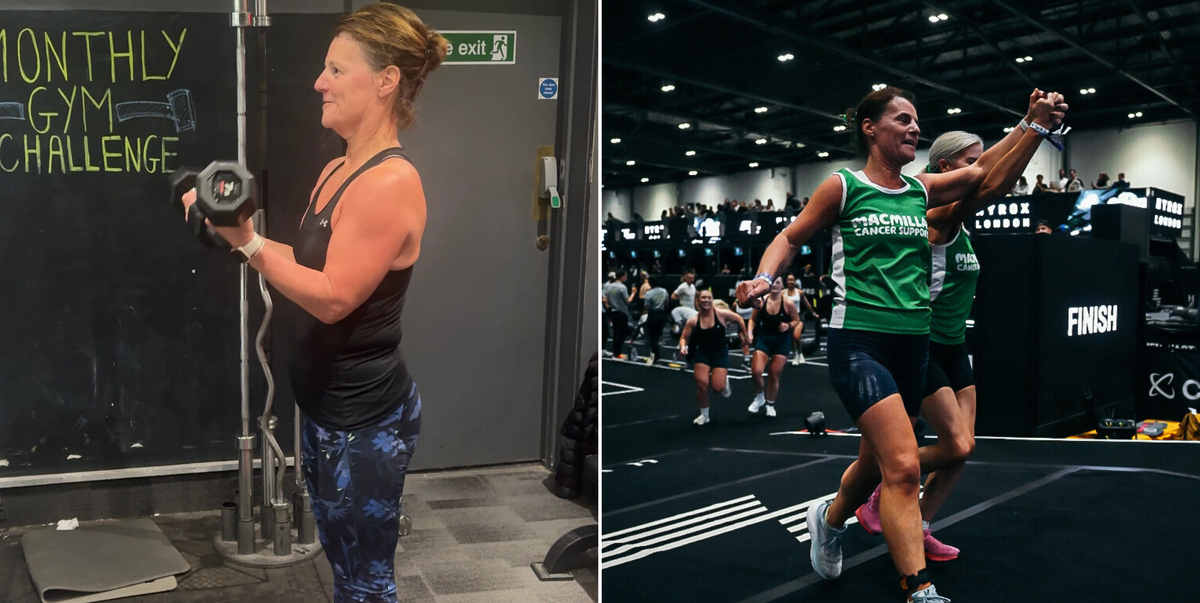
In her early 50s, cabin crew member Julie Moody, now 56, was feeling a bit lost with fitness. ‘I used to be a member of a gym but found the routine boring and no one was around to help or coach me to do the correct exercises for me,’ she tells Women’s Health. ‘So, I ended up just doing cardio exercises as I wasn’t confident using the weights, and didn’t know how to use them to get the best out of them.’
Unmotivated to continue with the gym, Julie cancelled her membership and started running outside instead. She enjoyed this, but says that she ‘still felt as though I needed to do something more – but I wasn’t sure what’. Continuing her cardio-only exercise routine, Julie attended a local HIIT class run by personal trainer Alice Jordan, who specialises in strength for (peri)menopausal women.
‘Alice suggested I start coming to her sessions as running for my age and menopause wouldn’t be enough for my bone density etc,’ says Julie. After attending a strength class, Julie says she’s never looked back and now understands ‘how important weight exercises are coupled with cardio’ for body recomposition. ‘My body shape has changed, my arms and legs are so much stronger and I can see muscles now that I never knew I had,’ she says.
In just five weeks, Julie lost 4.2kg and four inches around her waist, and she’s worked with Jordan ever since to sustainably maintain her body recomposition, even competing in Hyrox just 12 months after adding strength training to her routine.
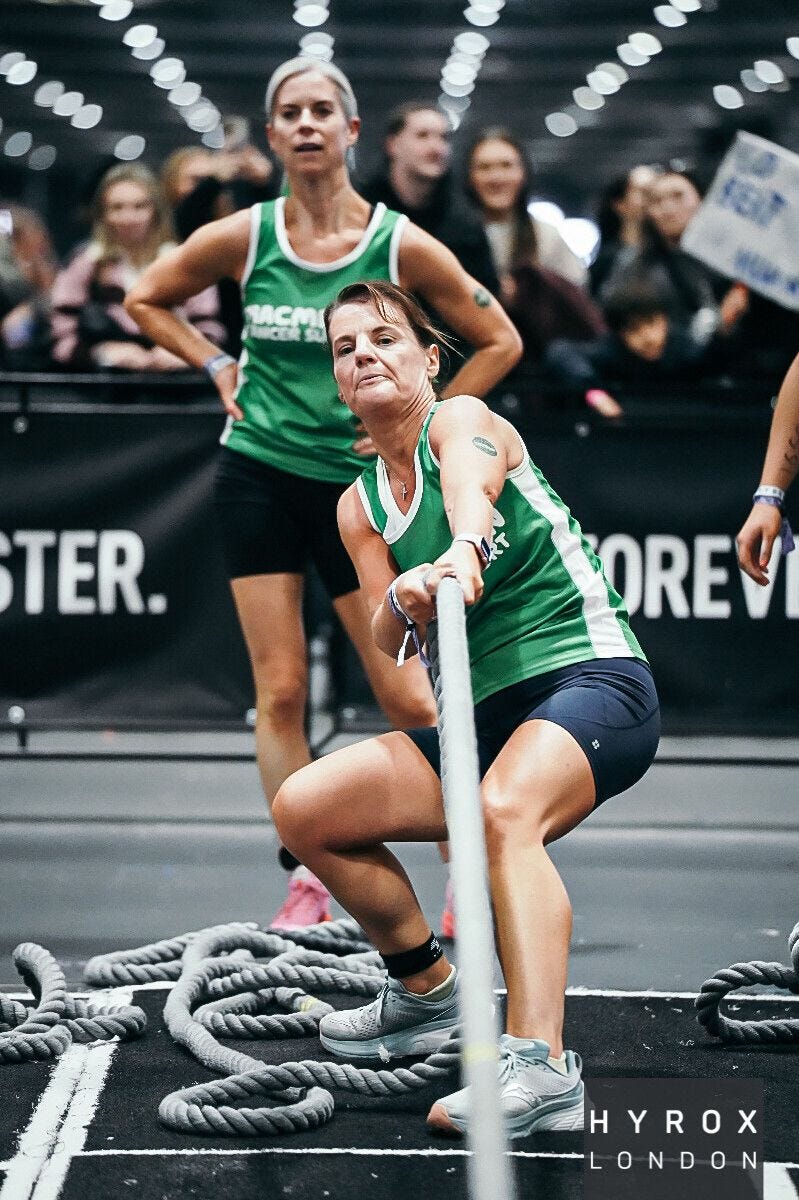 HYORX / Sportograf
Julie completed a Hyrox just 12 months after adding strength training to her routine
Below, the pair outline the six-step reset Julie used to get (and stay) strong – and the exercises she now never skips.
Julie’s 6-step reset1. Planning workouts in advance
Julie schedules sessions into her week in advance so that they became a non-negotiable.
2. Allowing 2-3 rest days every week
Julie prioritises recovery rather than always trying to do more.
3. Staying flexible
Having some flexibility means Julie doesn’t get disheartened if work or life gets in the way of a session.
4. Balancing running with strength training
Julie now fits cardio around her strength work, rather than replacing it.
5. Focusing on full-body strength workouts
All of Julie’s strength sessions are full-body as keeping things simple and effective helps her stay motivated and see results.
6. Progressively increasing weights over time
Julie ensures her workouts remain challenging – and motivating – by gradually progressing the weights she’s using over time.
Related StoryJulie’s typical workout weekTwo to three full-body strength sessions (around 45-60 minutes each)Two to three cardio sessions (running)Two to three rest or recovery days
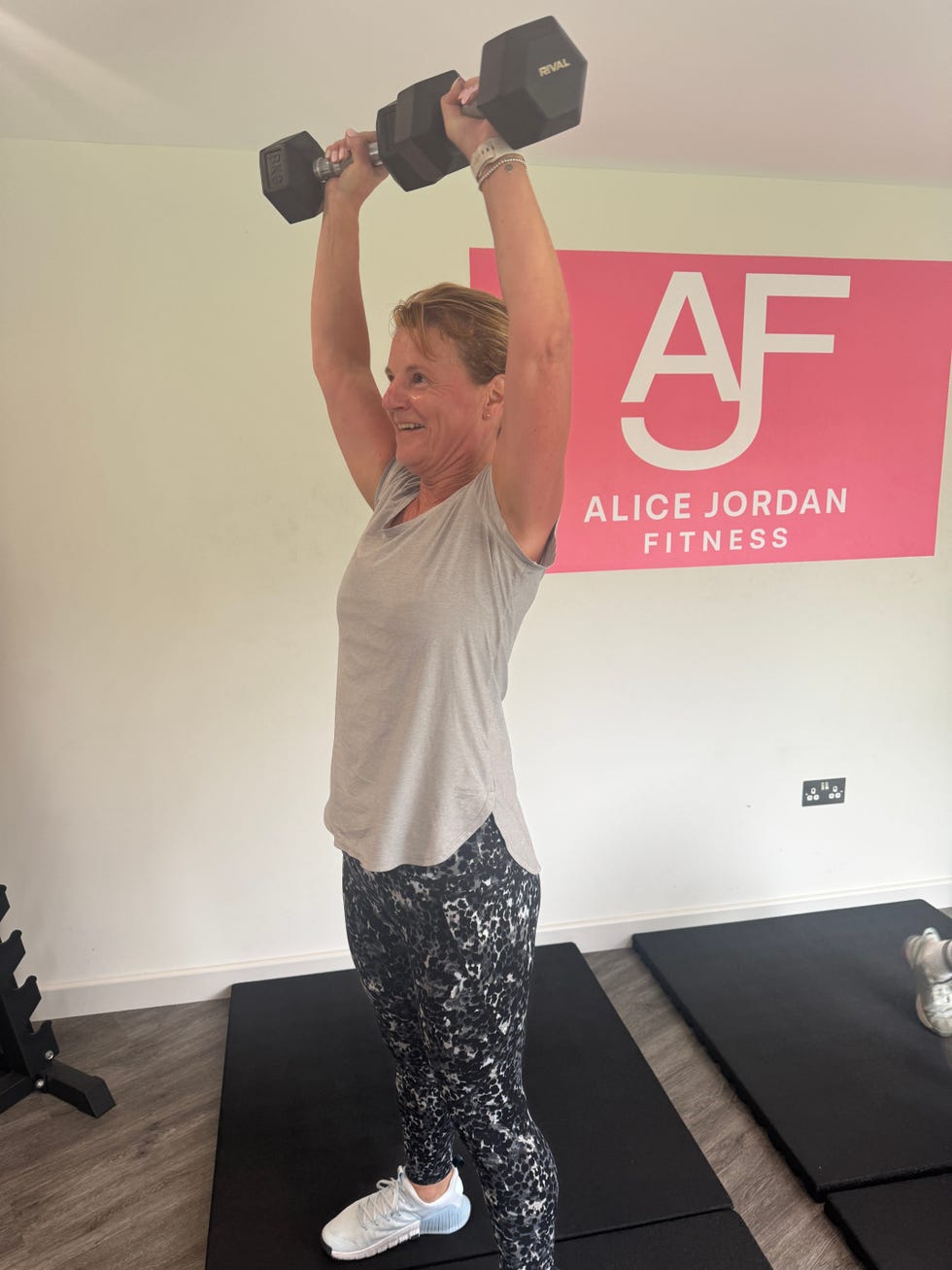
‘Each strength session [being] full body ensures all major muscle groups are trained regularly,’ says Jordan.
For the upper body aspect, she adds, they includes a mix of weighted and bodyweight exercises such as:
Arnold press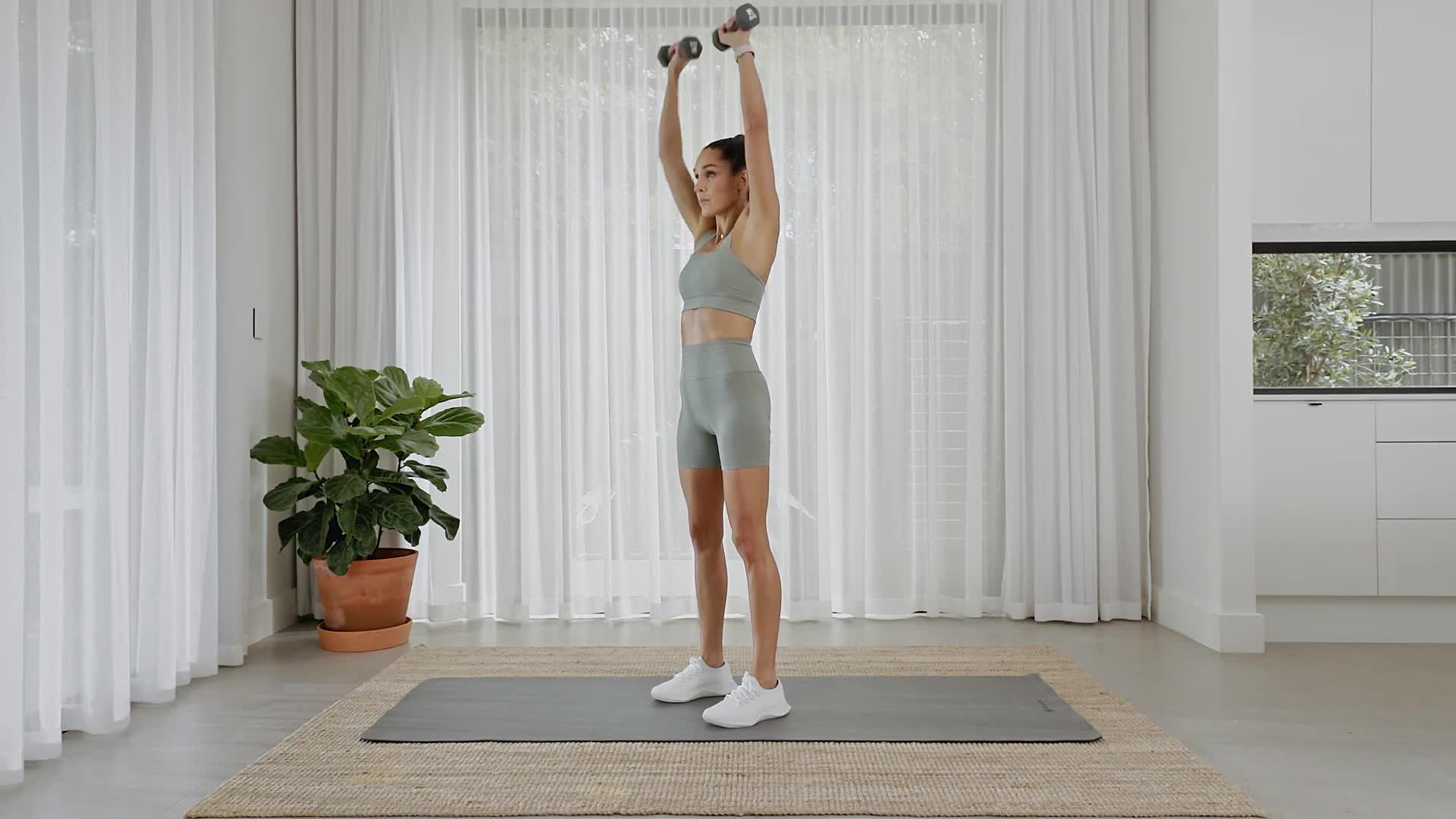
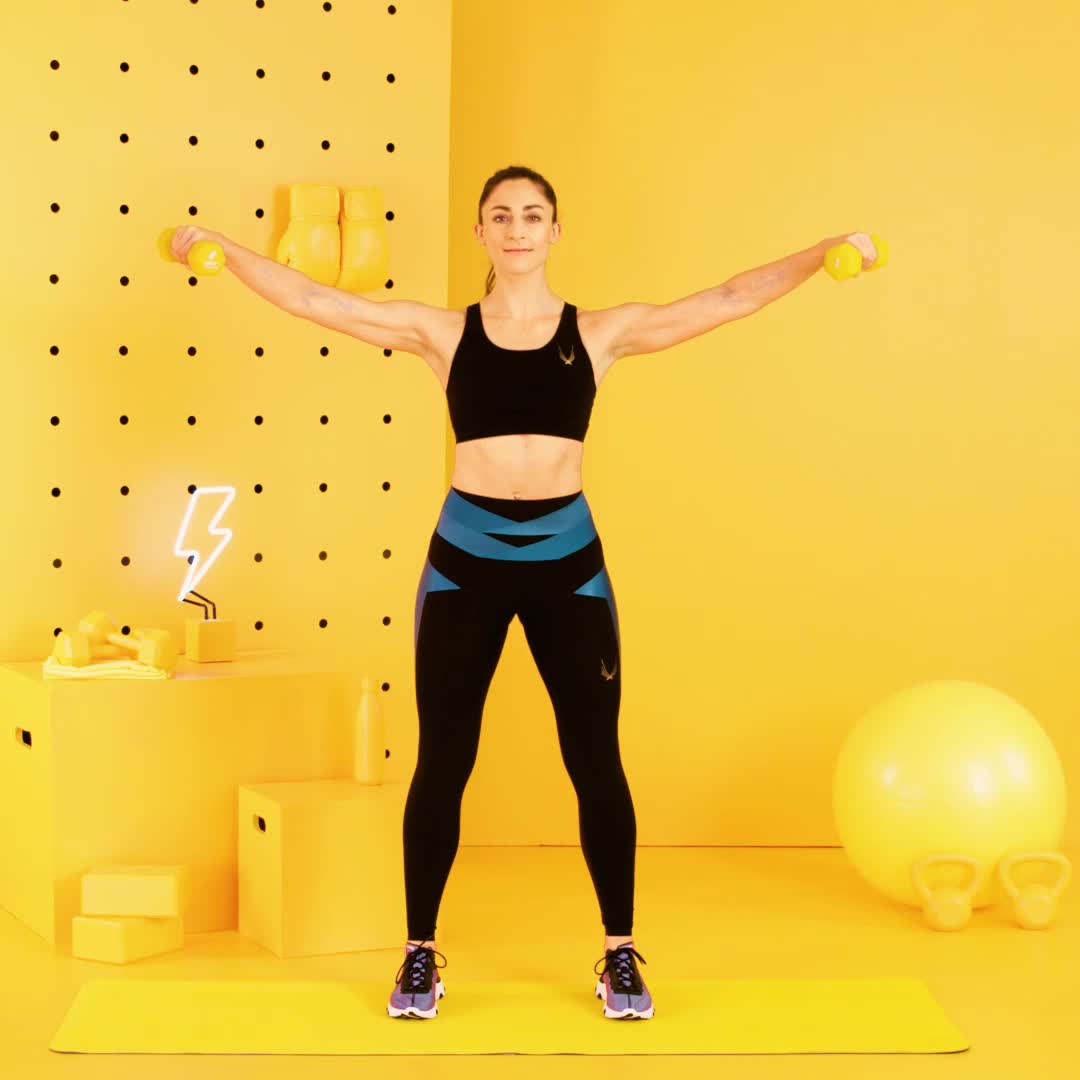 Shoulder press
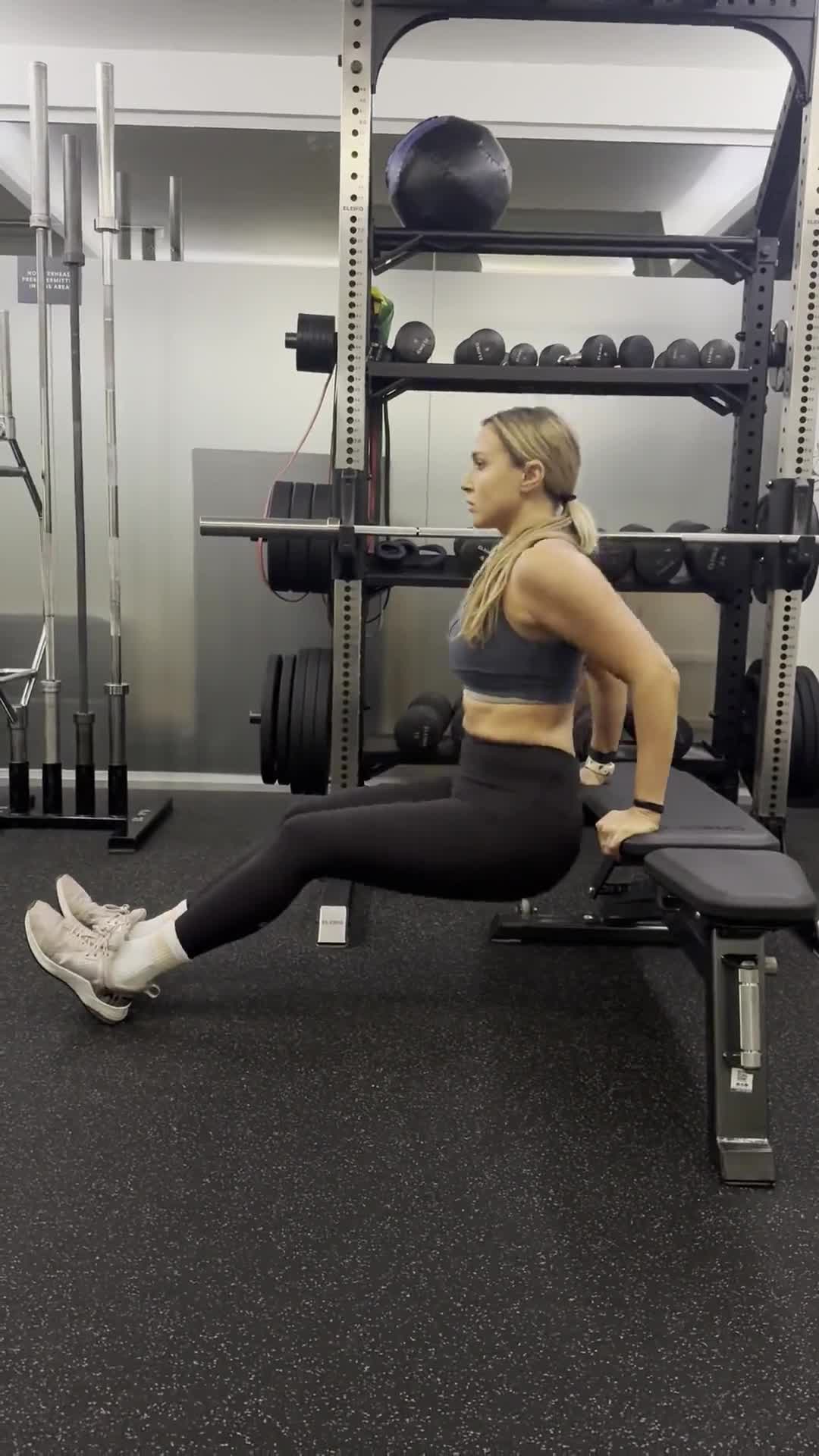
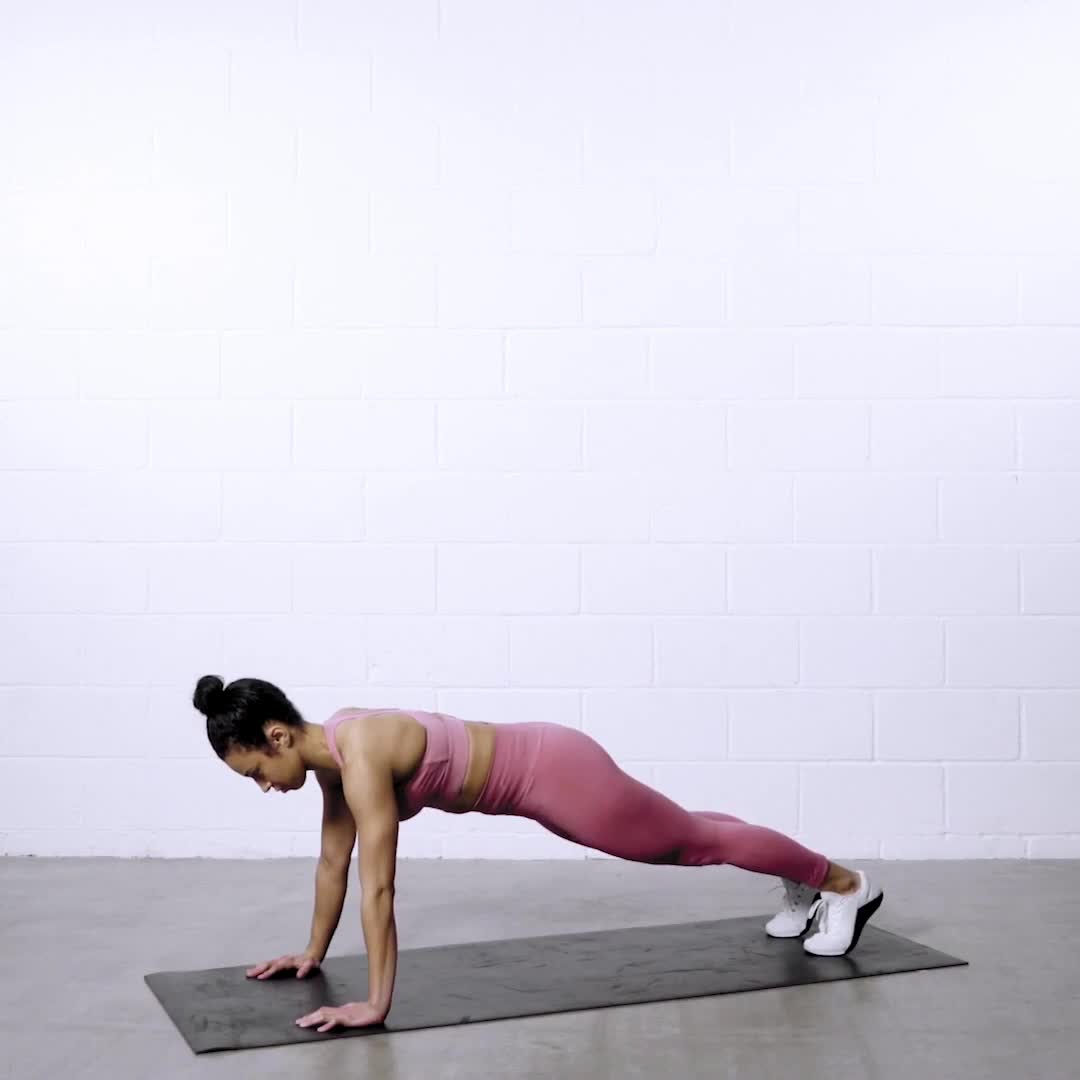
Lower-body and compound movements include:
Squat (or variations such as goblet squats)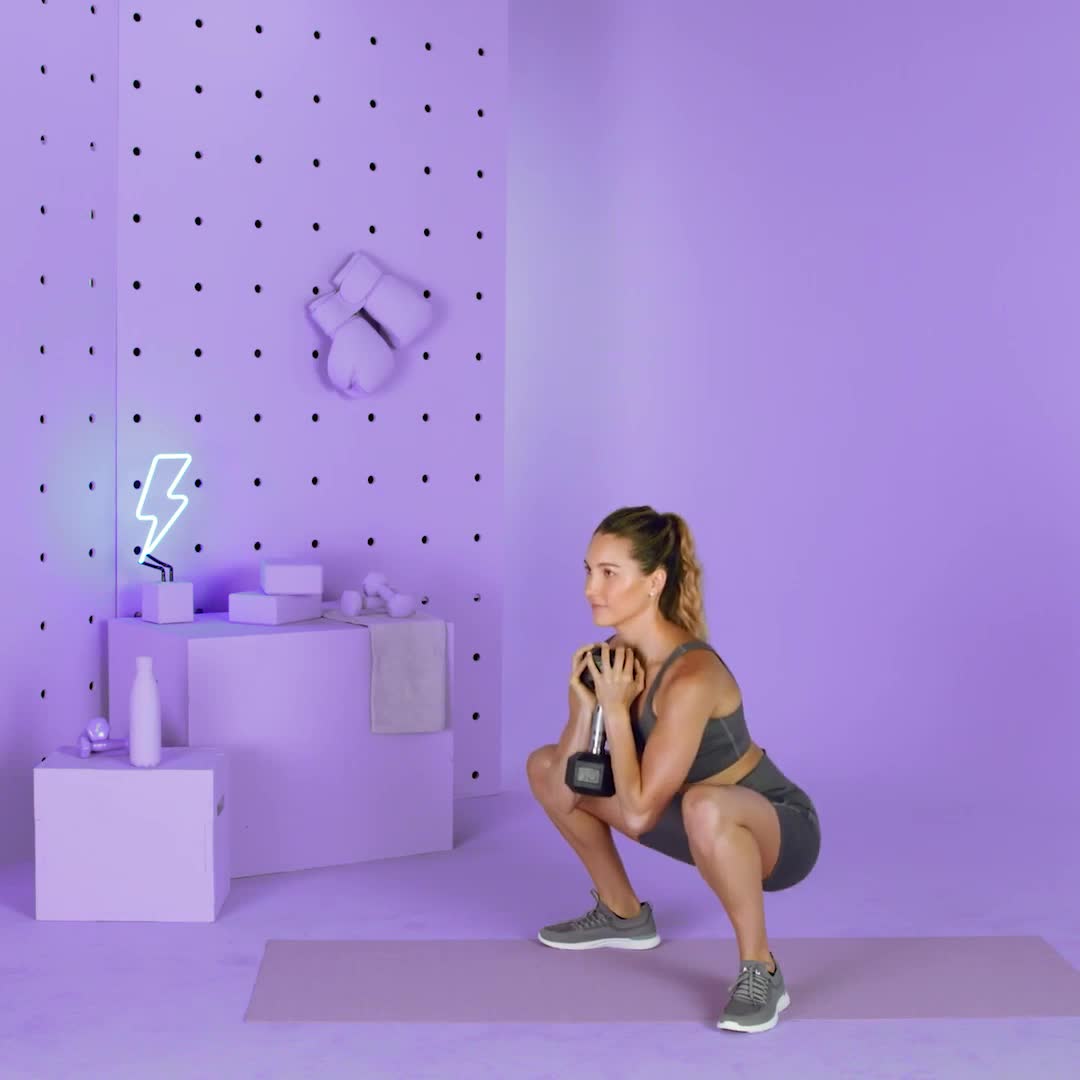 Deadlift (eg, Romanian deadlifts)
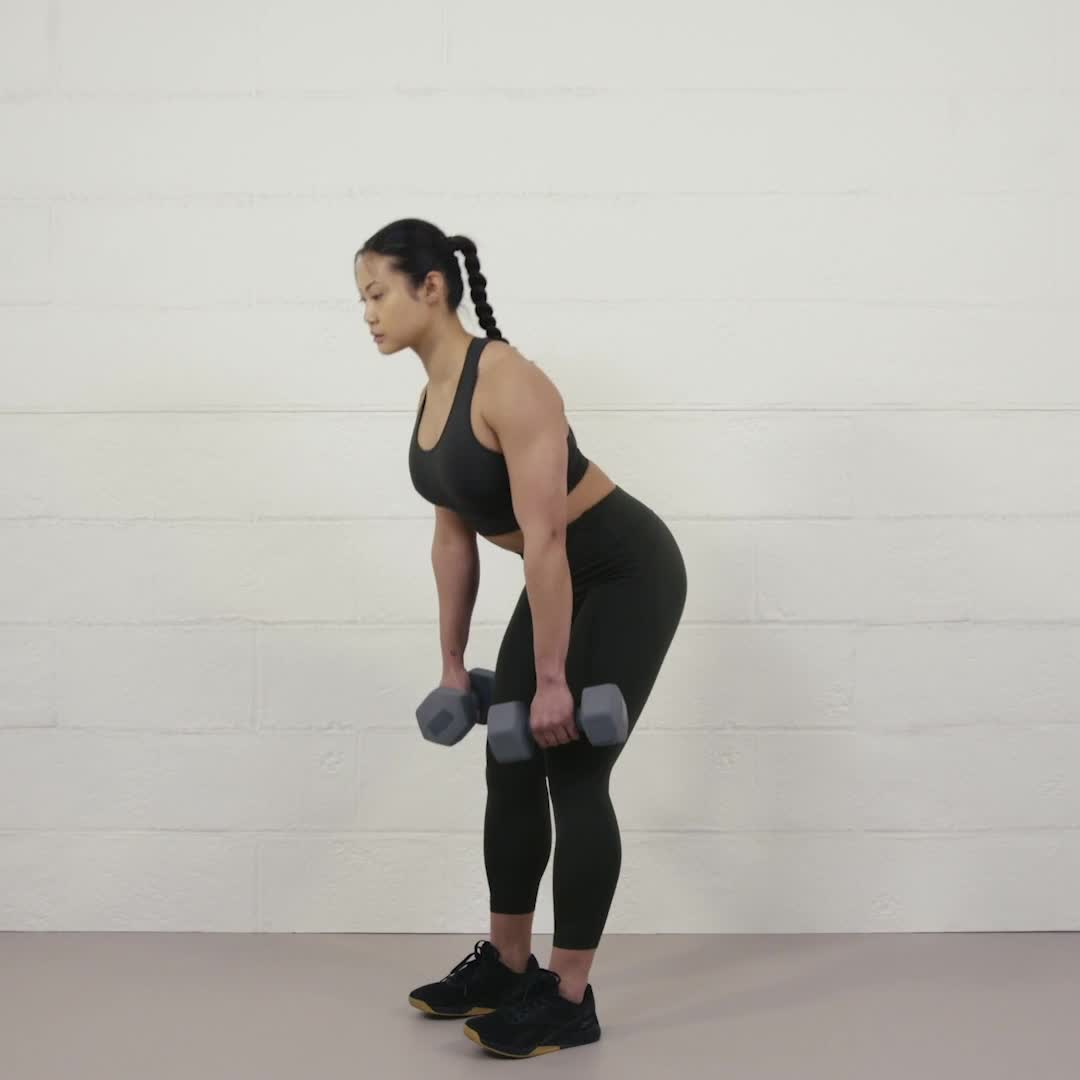 Lunge or split squat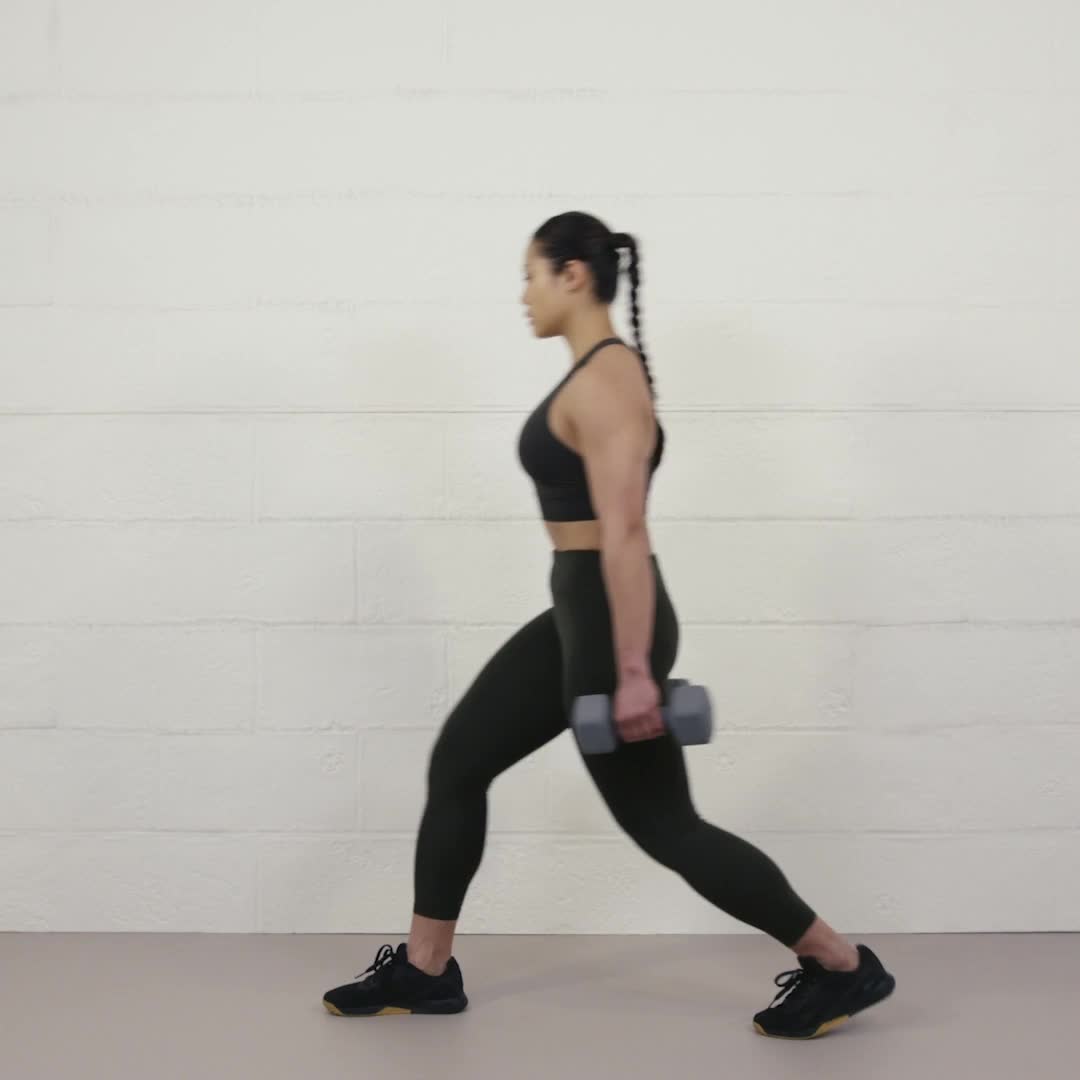
Julie also does 5-10 minutes of core work in every session (after having a c-section, she was keen to build core strength), focusing on the following exercises:
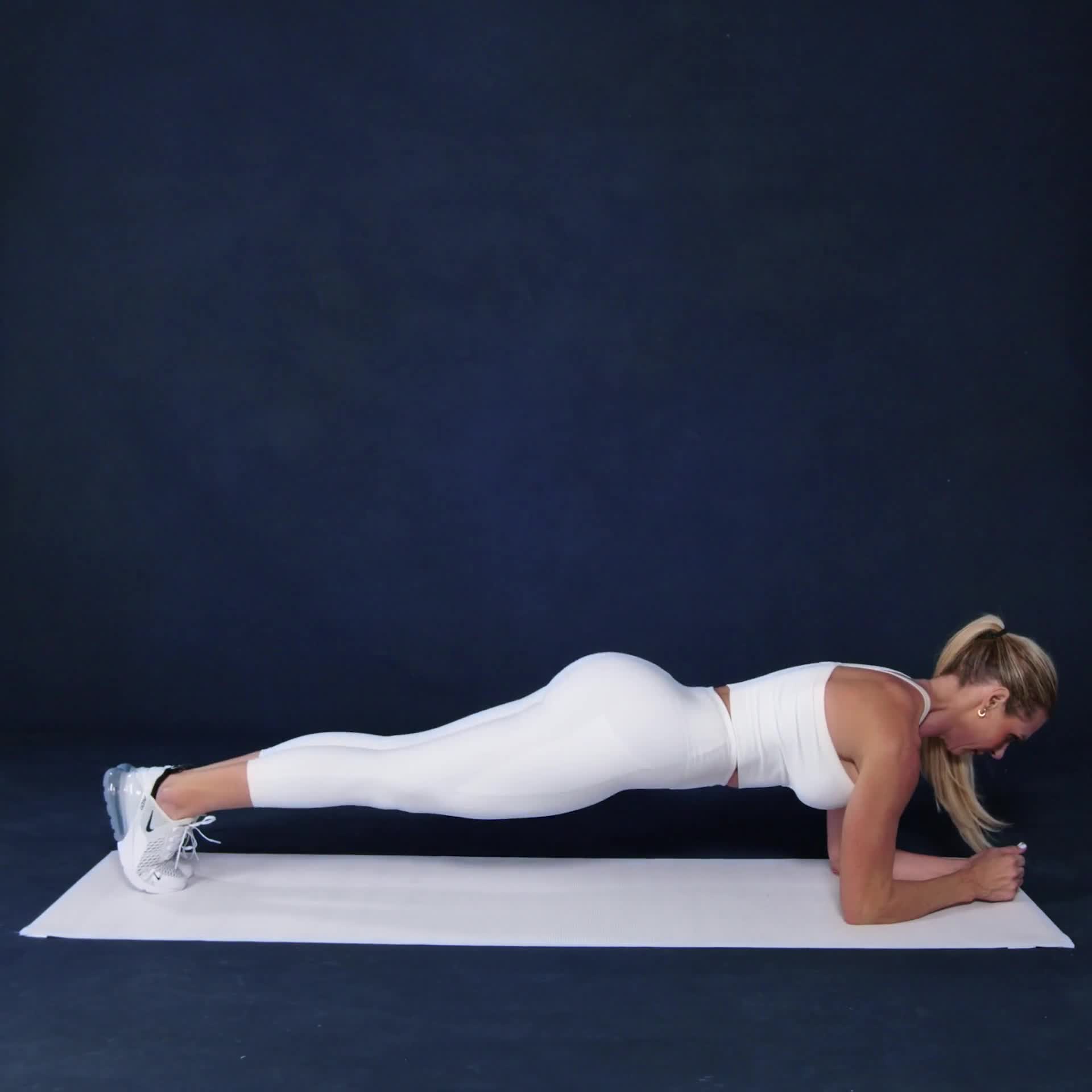 Side plank
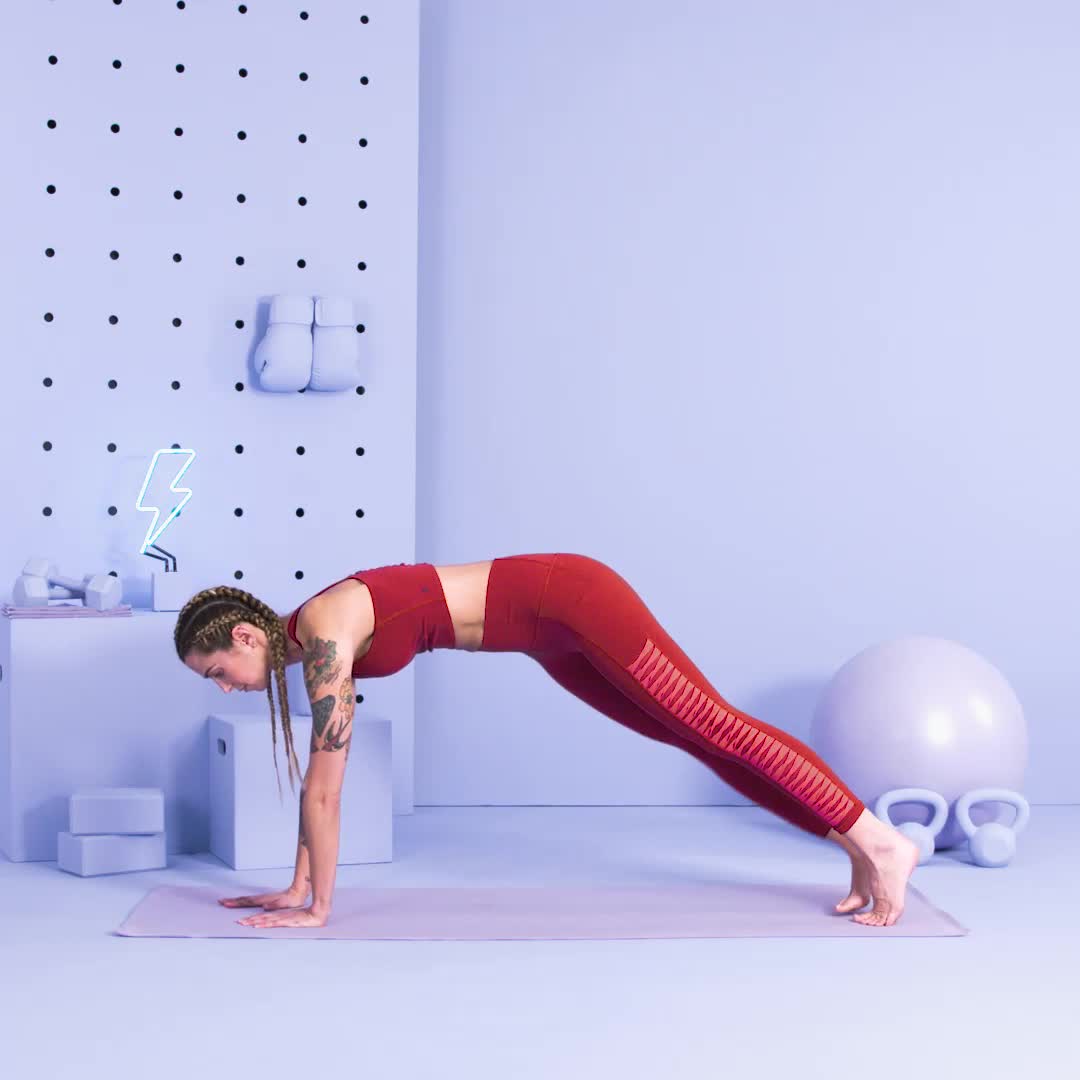 Plank rotation
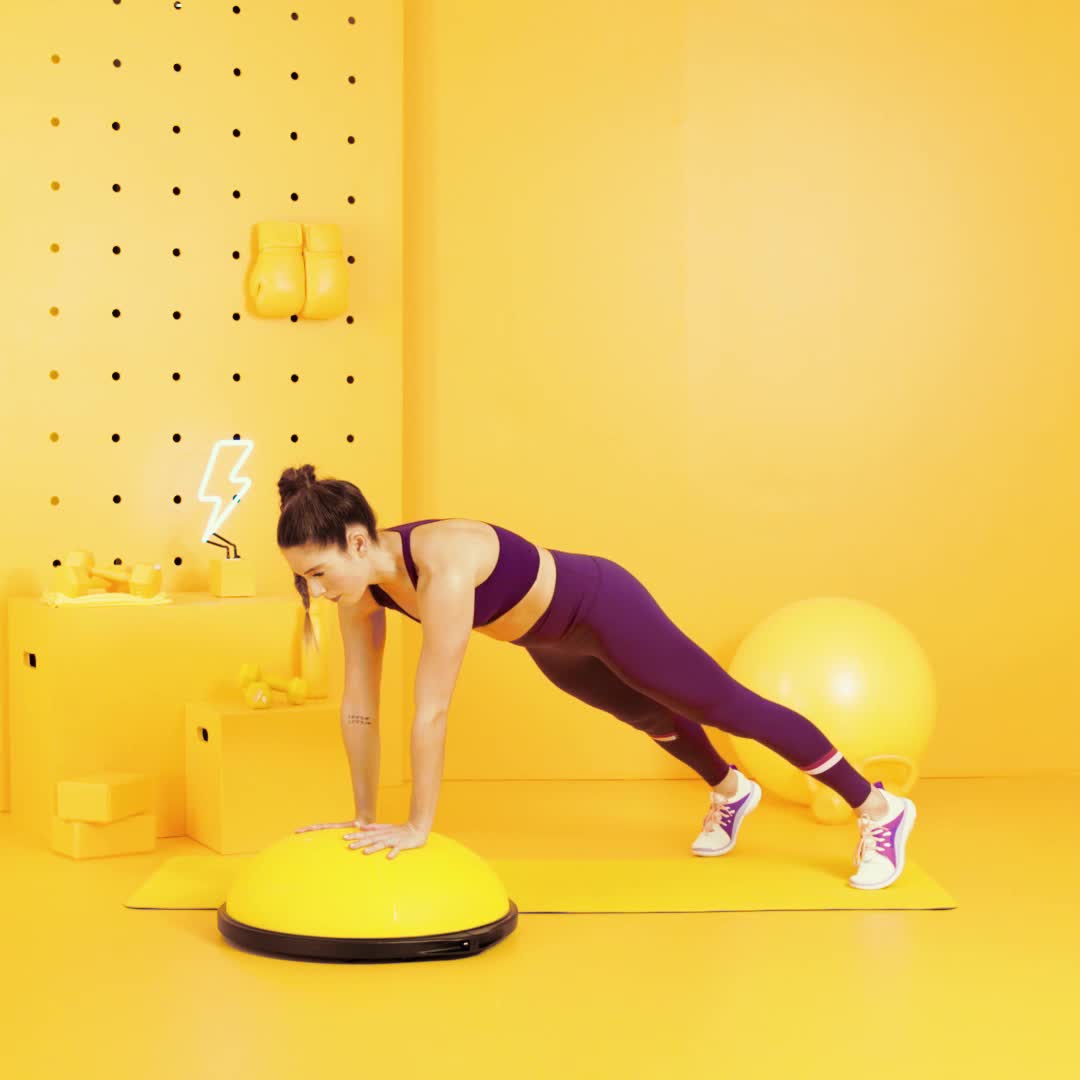
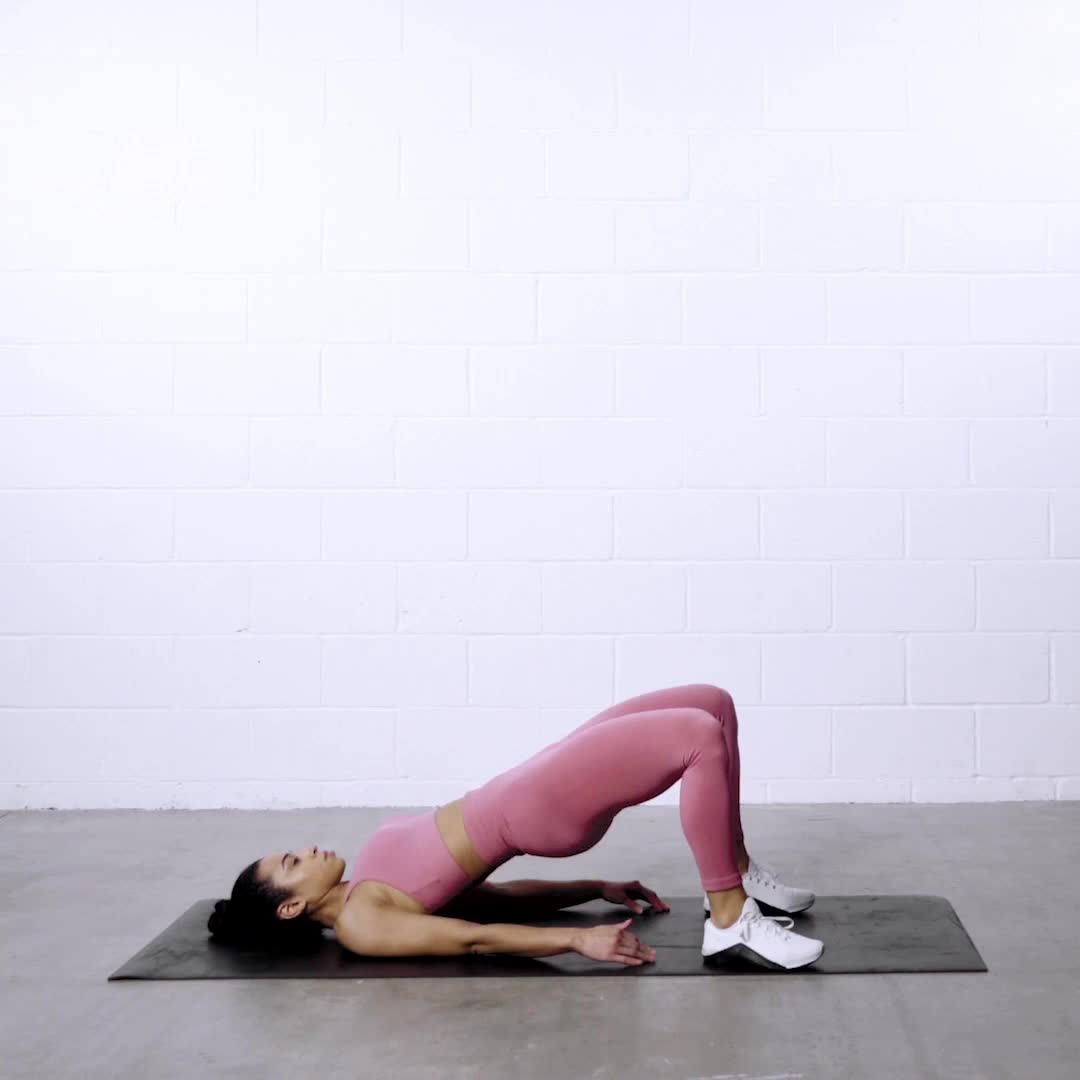
Per workout, she typically does two to four of these core exercises, performing 2-3 sets of each (30-45 secs per movement or 8-15 reps where appropriate) with 30-45 secs rest between sets (but more if needed).
 Alice Jordan Fitness
All of Julie’s strength sessions are full body
Why combining strength and cardio in midlife is so important
Combining strength and cardio in midlife and beyond is key, reiterates Jordan. ‘During (peri)menopause, our bodies go through significant hormonal changes, particularly a decline in oestrogen, which can lead to a loss of muscle mass, reduced bone density, a slower metabolism, increased body fat – especially around the midsection – and even impacts on mood, energy and sleep,’ she says.
‘[Strength training] helps preserve and build lean muscle, which not only supports a stronger, more capable body but also keeps metabolism functioning well. It plays a huge role in protecting bone health, reducing the risk of osteoporosis and improving joint stability – something many women start to notice during this phase.
‘Adding cardio supports heart health, improves endurance and helps manage stress levels.’
Having a strong core is about far more than sporting a six-pack. Build functional mid-section strength – while also improving your power, posture, coordination and balance – with WH COLLECTIVE coach Izy George’s 4-week core challenge. Download the Women’s Health UK app to access the full training plan today.
 Related Stories
Hannah Bradfield is a Senior Health and Fitness Writer for Women’s Health UK. An NCTJ-accredited journalist, Hannah graduated from Loughborough University with a BA in English and Sport Science and an MA in Media and Cultural Analysis. She has been covering sports, health and fitness for the last five years and has created content for outlets including BBC Sport, BBC Sounds, Runner’s World and Stylist. She especially enjoys interviewing those working within the community to improve access to sport, exercise and wellness. Hannah is a 2024 John Schofield Trust Fellow and was also named a 2022 Rising Star in Journalism by The Printing Charity. A keen runner, Hannah was firmly a sprinter growing up (also dabbling in long jump) but has since transitioned to longer-distance running. While 10K is her favoured race distance, she loves running or volunteering at parkrun every Saturday, followed, of course, by pastries. She’s always looking for fun new runs and races to do and brunch spots to try.