

If you’ve caught up with the latest series of At Home With The Furys, then you’ll be as impressed as us by how matriarch Paris Fury looks after and navigates the schedules of seven children, does what appears to be the majority of housework – and still manages to kill it with her own media career. How she ever finds time to train, we do not know, but one way she does squeeze exercise into her day is precisely by being so busy.
‘I never sit down for more than five minutes. My fitness watch says I rack up 10 or 12 miles a day just in the house – making beds, washing, cleaning, cooking for 10 people,’ Paris told The Mirror last year.
Referred to by scientists as VILPA – Vigorous Intermittent Lifestyle Physical Activity – these things definitely count as exercise. In fact, a recent study published in The Lancet found that even very small bouts of such activity were associated with longevity and cardiovascular benefits.
By tracking the physical activity of non-exercises via accelerometer devices, researchers found that, unsurprisingly, the longer the bursts, the greater the benefit. For example, bursts lasting 1-3 mins were associated with a 34% lower risk of all-cause mortality, 3-5 mins with a 44% lower risk, and 5-10 mins with a 52% lower risk.
What actually counts as VILPA?
So, this begs the question of what real-world activities actually count as VILPA. According to the Institute of Sport Exercise & Health, ‘Similar to a scaled-down version of high-intensity interval training (HIIT), VILPA involves briefly increasing effort during routine activities such as climbing stairs, brisk walking, housework, or playing with children.’ In other words, it involves approaching those everyday activities with a tad more intensity so that you’re raising your heart rate for a few minutes at a time.
NEAT exercise vs VILPA
Unlike NEAT exercise – Non-Exercise Activity Thermogenesis – which refers to the energy used to carry out daily activity that isn’t formal exercise, eg, using a standing desk, gardening, or walking, VILPA requires that added bit of intensity – and elevated heart rate. Think: lifting your shopping while walking the long route back to the car, briskly walking to catch up with that bus you’re late for, or a power hour of housework – exactly as Paris has described.
Naming this type of movement encourages us not to underestimate the power of exercise snacks, and that while formal exercise is also important, so is everyday movement.
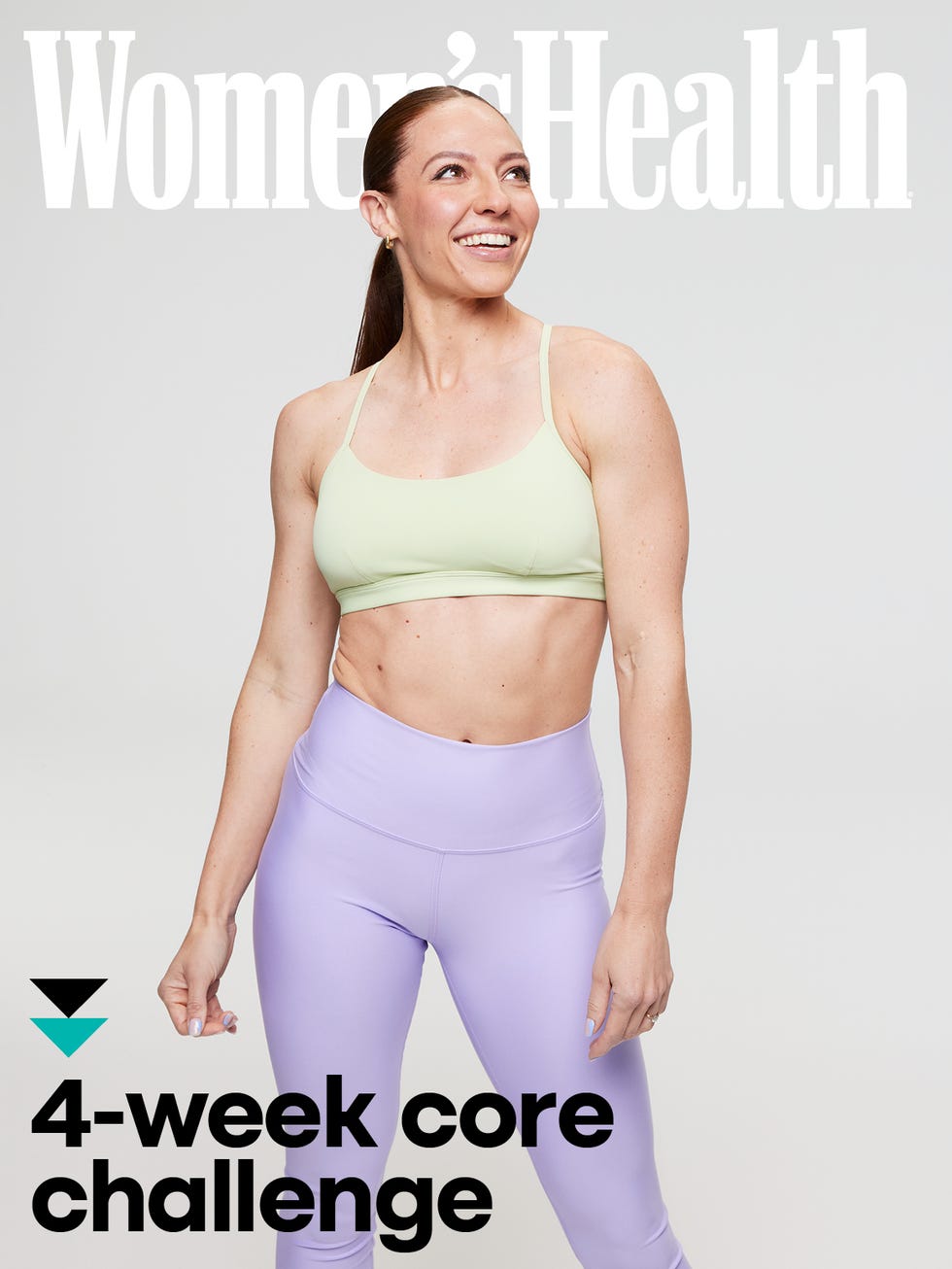
Having a strong core is about far more than sporting a six-pack. Build functional mid-section strength – while also improving your power, posture, coordination and balance – with WH COLLECTIVE coach Izy George’s 4-week core challenge. Download the Women’s Health UK app to access the full training plan today.
 Related Stories
Hannah Bradfield is a Senior Health and Fitness Writer for Women’s Health UK. An NCTJ-accredited journalist, Hannah graduated from Loughborough University with a BA in English and Sport Science and an MA in Media and Cultural Analysis. She has been covering sports, health and fitness for the last five years and has created content for outlets including BBC Sport, BBC Sounds, Runner’s World and Stylist. She especially enjoys interviewing those working within the community to improve access to sport, exercise and wellness. Hannah is a 2024 John Schofield Trust Fellow and was also named a 2022 Rising Star in Journalism by The Printing Charity. A keen runner, Hannah was firmly a sprinter growing up (also dabbling in long jump) but has since transitioned to longer-distance running. While 10K is her favoured race distance, she loves running or volunteering at parkrun every Saturday, followed, of course, by pastries. She’s always looking for fun new runs and races to do and brunch spots to try.