

]]>
Immunity-supporting ingredients continue to gain traction with consumers, especially the Gen Z and the emerging Gen Alpha cohort that prioritizes proactive health through nutrition. While probiotic microbes and prebiotic fibers claim nearly irrefutable research support for their performance as effective immunity ingredients and rightfully dominate this category, scores of other ingredients (predominantly botanicals) have been staking an immunity support claim lately.
These non-pro/prebiotic contenders raise important questions: Do they actually perform as promoted? That is, are they truly immune boosters…or merely immune boasters?
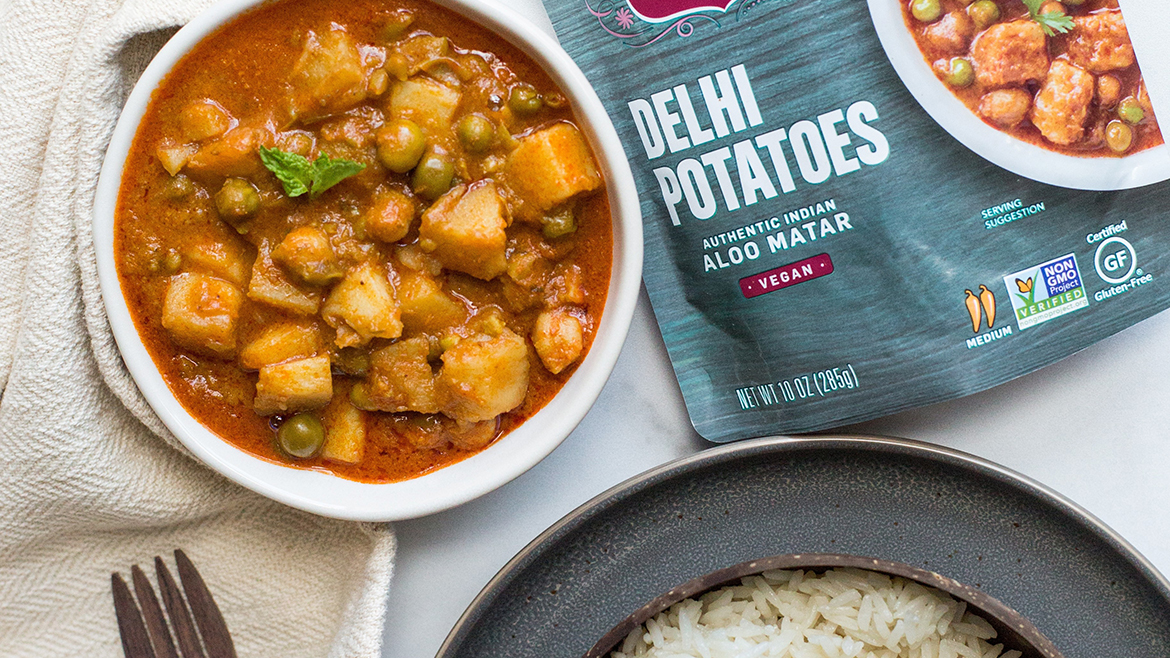
Ayurvedic medicine has a long tradition of incorporating health and immune-supporting ingredients, such as curcumin and pepper, into foods. Courtesy of Saffron Road Foods, Inc.
Currying Favor
Ayurveda is one of the oldest traditional forms of herbal medicine and perhaps the most comprehensively recorded. Curcumin, the primary bioactive compound in turmeric, is among the best-known of its beneficial botanical ingredients. Turmeric is a widely used spice in Indian and other South Asian cuisines.
Numerous studies have reported positive effects of turmeric consumption on immune health, including anti-inflammatory, antioxidant, anticancer, and antimicrobial activities, especially when curcumin is consumed in turmeric as a whole ingredient rather than as an isolated compound. This is because curcumin by itself presents significant challenges when used as a standalone extract.
Although, commonly marketed as an anti-inflammatory, antioxidant, and immunomodulatory agent, curcumin has poor oral bioavailability. It is not well absorbed, metabolizes and gets excreted rapidly. Being a polyphenolic compound, curcumin is not water-soluble. This does not negate the science that supports these benefits, but it does make it a challenge to get curcumin to live up to its potential. For the food or beverage developer, curcumin must either be combined with a fat source or specially formulated with an enhancer. One such absorption enhancer is piperine, the active compound derived from black pepper. Piperine has been reported to increase curcumin bioavailability by up to 2000%.
Even with enhanced absorption, curcumin is still rapidly converted into inactive metabolites, but greater absorption helps increase its potential health benefits. For curcumin to have meaningful immune-supporting capacity, it must be supplemented and maintained at sustained systemic levels in the body. Some reports suggest that high daily doses of around 4-12g of a curcumin complex with multiple forms of curcuminoids could improve immunity, but these doses must be consumed consistently over time.
There have been positive reports for those with health issues consuming high daily doses with no negative impacts for up to three months. High daily doses seem to be tolerated well. It is also important to note that curcumin is not exclusive to turmeric, but it contains the highest concentration, anywhere from around 2%-10% by weight, depending on the format. So, while the science behind curcumin is strong (the boasting) it comes with qualifications—generous amounts, combined with known enhancers such as piperine from black pepper, and in daily doses—developers have the key to making this ingredient an immune booster.
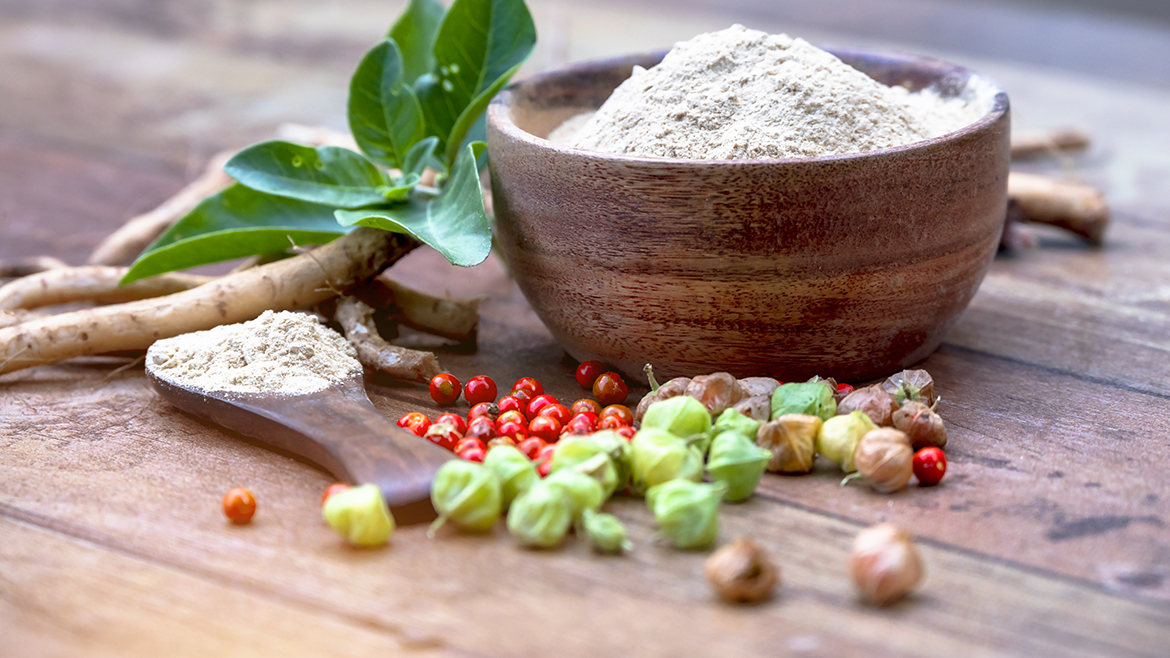
Animal studies have demonstrated anti-inflammatory and immunoregulatory effects of ashwagandha (Withania somnifera) but challenges of effective dosage, bioactive content, and purity abound. Courtesy of iStock/kiran nagare
Ashwagandha
Immunity ingredients have become increasingly widespread in the supplement market, with many products relying on distinctive or exotic, foreign-sounding names to attract consumer attention and imply enhanced efficacy. Ashwagandha (Withania somnifera) is one such ingredient that lately has gained immense popularity within the immunity support space.
Traditionally used in Ayurvedic medicine, ashwagandha is a natural herb prized for its adaptogenic, anti-inflammatory, and immunomodulatory properties. Scientific studies suggest that ashwagandha could help influence both the innate and adaptive immune systems, making it a unique supplement compared to many other ingredients marketed for immune health. Ashwagandha is primarily an immunomodulator, meaning it helps regulate and balance immune responses rather than simply stimulating them. Several studies have reported increases in immune markers following supplementation, including T cells, natural killer cells, and B cells.
Ashwagandha also has been associated with increased levels of cytokines (such as interleukin-4) and antibodies (including immunoglobulins IgA, IgM, and IgG) that play important roles in pathogen recognition, antibody production, and the elimination of virus-infected or abnormal cells, such as cancer cells. In a human study, supplementation with just 6mL of ashwagandha root extract in milk resulted in the upregulation of natural killer cells and other immune markers.
Despite these promising findings, the current body of research surrounding ashwagandha has limitations. Many studies investigating ashwagandha supplementation involve relatively small sample sizes and short durations so the long-term effects of ashwagandha on immune function remain unclear. But most importantly, there is considerable variability in the type, strength, and purity of ashwagandha extracts used across studies. Multiple varieties exist and different extraction methods can produce extracts with varying concentrations, purity levels, and chemical compositions.
Ashwagandha contains more than 40 different types of steroidal compounds known as withanolides. Withanolides are water-soluble and are considered the primary bioactive compounds in ashwagandha responsible for its potential health effects. The biological activity of ashwagandha is often assessed by measuring the concentration of these withanolides in circulation. Withanolides can bind with sugar fractions to form withanolide glycosides, bioactive compounds believed to play a significant role in ashwagandha’s immune-modulating effects.
It has been suggested that these glycosylated compounds have improved bioavailability and longer half-lives, allowing them to remain in circulation longer and potentially exert greater biological activity.
Ashwagandha could be a promising ingredient for immune support, but the lack of standardized extraction methods and formulation practices presents a significant challenge for formulators. Variability in these factors coupled with a lack of sufficient reliable scientific studies makes it difficult to determine whether a given product will deliver the benefits suggested by bench research. While ashwagandha has the potential to be an immune booster, in its current state, many ashwagandha products fall closer to the immune “boaster” category.
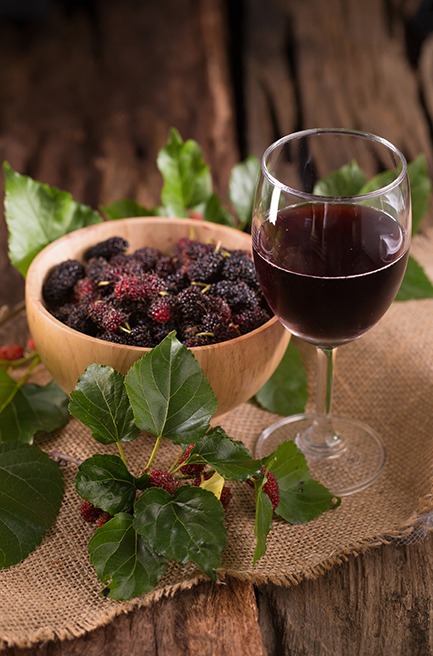
Quercetin, from berries, grapes, apples, onions, and other sources, must be taken in sufficient amounts and with other boosters to help support immune health. Courtesy of Accelerator
A Glass of Red
Quercetin is a naturally occurring flavonoid polyphenol found in a variety of plants including capers, grapes, onions, apples, berries, and leafy greens. Quercetin has demonstrated antioxidant, anti-inflammatory, antiviral, and immunomodulatory properties with some studies suggesting a role in regulating immune cell signaling, oxidative stress, and inflammatory pathways.
Despite these positive biological effects, quercetin as an isolated supplement has significant bioavailability limitations. Quercetin is not water-soluble, has low oral absorption, and rapid metabolism and excretion. Metabolization in the liver reduces quercetin’s active form, which reduces the overall impact quercetin has on the immune system. Many of the available research studies involve animal models and available human studies report doses of 500-1000mg daily with disappointing results where a decrease in plasma quercetin concentrations was noted to happen rapidly in humans.
This decline in free quercetin in humans does not align with the minimum amount of plasma quercetin necessary for immunomodulatory effects reported from animal studies and therefore is reported to have minimal impact on human immune responses when dosed in this manner.
Absorption enhancers have been used to improve circulating quercetin, but these methods do not dramatically improve uptake or slow metabolism of quercetin. Thus, the main challenge with quercetin is maintaining plasma concentrations great enough to have a significant immune-supporting impact. Some clinical evidence is present suggesting certain populations under consistent, elevated levels of physiological stress (endurance runners or autoimmune sufferers) will benefit from increased doses of quercetin (1-2g per day) to improve chronic inflammation and oxidative load in the body.
For healthy individuals, however, this supplement is not beneficial as often marketed as an oxidative stress modulator. As a standalone supplement, quercetin is not the best option for immune health, but in conjunction with a diseased state or as part of a balanced diet, quercetin can have a positive impact on immune health and a reduction of oxidative stress.
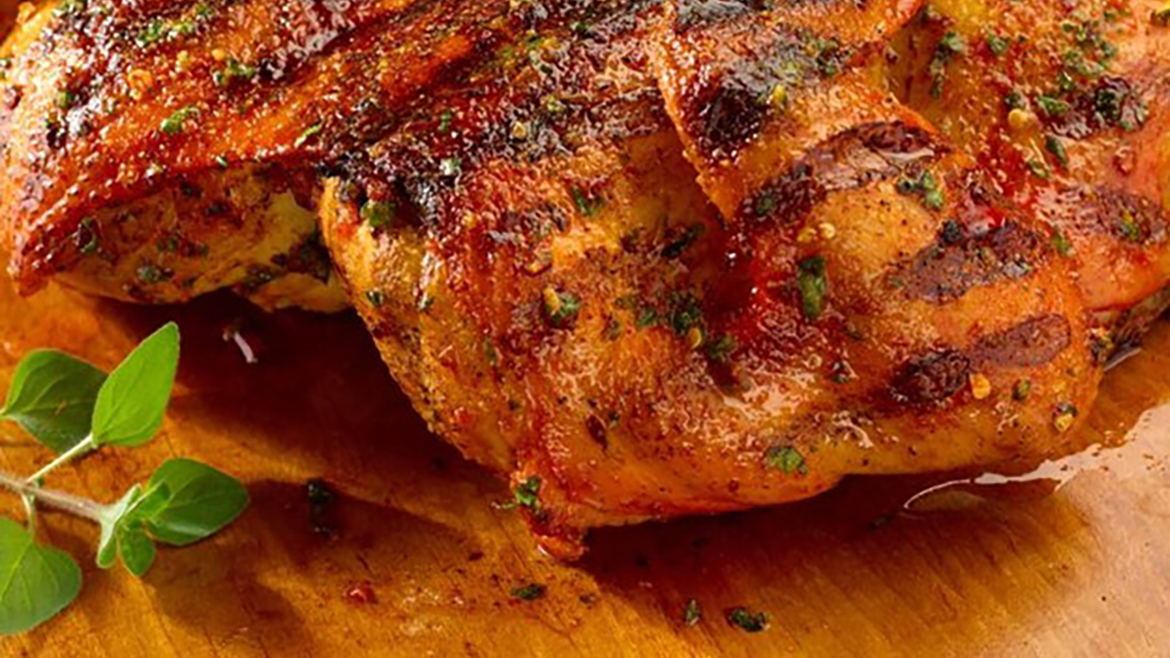
Achioté (Bixa orellana), a.k.a. annatto, is a popular ingredient in Latin cuisines and a concentrated source of a powerful, immune-boosting form of vitamin E known as tocotrienol. Courtesy of Goya Foods, Inc.
Vitamin E2
Vitamin E is a powerful antioxidant, so much so its most common form, tocopherol, is one of the most common natural preservatives in the food industry. But tocopherol’s more powerful antioxidant sister form, tocotrienol, has been extensively studied since the late-1980s. These studies have revealed beneficial effects it has against inflammation- and cholesterol-related cardiovascular disease, cognitive function in middle-aged and senior subjects, impaired insulin sensitivity, and bone health.
One of the more impressive functions of tocotrienol has been its ability to help arrest the proliferation of cancer cells and even cause some forms of cancer cells to “commit suicide” (apoptosis). Derived from annatto, red palm oil, rice bran oil, and other plant sources, it has been shown to be effective in relatively small doses of 200-400mg daily. Annatto seeds have the highest concentration of tocotrienols of any plant, although with a broad range of around 0.4-4.0 mg/g. As a lipid-soluble compound, a fat component should be included in any product including it for targeted immune support.

Although studies are conflicted in their findings, there is some good evidence to support the immunity boosting power of echinacea. Courtesy of iStock/Galina Tolochko
Cold Facts
Echinacea spp. has a long reputation as a natural immune booster used for colds, sore throats, infections, and even wound healing. While much of the interest in echinacea is based on its history as a traditional herbal ingredient, there is scientific evidence to support its immunity boosting capacity. Study conclusions are mixed, but in cell culture and in vivo animal studies, promising results indicate echinacea extracts can modulate immune cells, increasing activity of natural killer cells, reducing inflammatory cytokine production, and improving responses of white blood cells.
What is “iffy” about echinacea when it comes to the “booster or boaster?” question is that there are few human studies that consistently conclude the same information. Still, in human studies, the immunity impacts of echinacea—while small and clinically weak—are there. Echinacea is full of bioactive compounds which do positively influence immune cells in animal models. There also is some clinical evidence to support a reduction in severity of symptoms and duration of the common cold.
Results of all these botanical studies can be confounding due to standardization issues and initial health status of the test subjects, however, there is still evidence to support some functionality involving echinacea, despite variations in species, extraction processes, formulations, and dosage.
This is why the design of an ingredient experiment, standardization of test subjects, standardization of sample preparation, and standardization of results matter so much. When it comes to immunity studies, controls become even more critical; the wide variety in both metabolism and immune function even among healthy individuals makes it difficult answer a “booster or boaster?” question. However, recognizing that, with botanical nutraceuticals, not one single ingredient is a panacaea; a variety of different ingredients from multiple sources combine to help confer a healthy edge.
As researchers continue to standardize methodology for evaluating better-for-you ingredients, it is likely to reveal more benefits to human immunity than is currently understood.