
Hopes the findings will open the door to improved treatments
Little Princess Trust researchers have discovered a new method that bone cancer can use to secretly fight the immune system
Ewing sarcoma is a rare bone cancer that mostly affects teenagers and young adults. It can be very difficult to treat if the cancer has spread elsewhere in the body, in part because the cancer is very good at suppressing the immune system.
Now, LPT-funded research has shown that the cancer doesn’t just make the immune system less effective – it actively kills the immune cells that should normally attack the cancer.
Dr Robin Rumney and Professor Dariusz Gorecki, at the University of Southampton and the University of Portsmouth respectively, recently published a paper showing that two molecules produced by the cancer, neuropeptide Y and the DPP4 enzyme, provide dual benefits for cancer cells.
In the lab, these molecules were shown to help the cancer cells thrive in challenging conditions and grow faster. However, they had another benefit for the cancer – both can kill the ‘soldiers’ of the immune system, monocytes. These cells should kill the cancer but are known to be ineffective in Ewing sarcoma tumours.
“This was a surprising result,” said Dr Rumney. “When I started this project in 2021, I was interested to see whether immune cells were involved in producing neuropeptide Y and DPP4.
“So, it was surprising to find that the molecules were released at a very high level by the cancer cells alone, and that this was actually driving death of the immune cells.
“As far as I’m aware, this is the first study to show that Ewing sarcoma cells can directly cause the death of immune cells using DPP4 and NPY, revealing a completely new way the cancer protects itself.”
Understanding DPP4 and neuropeptide Y’s role could lead to kinder and more effective treatments for Ewing sarcoma.
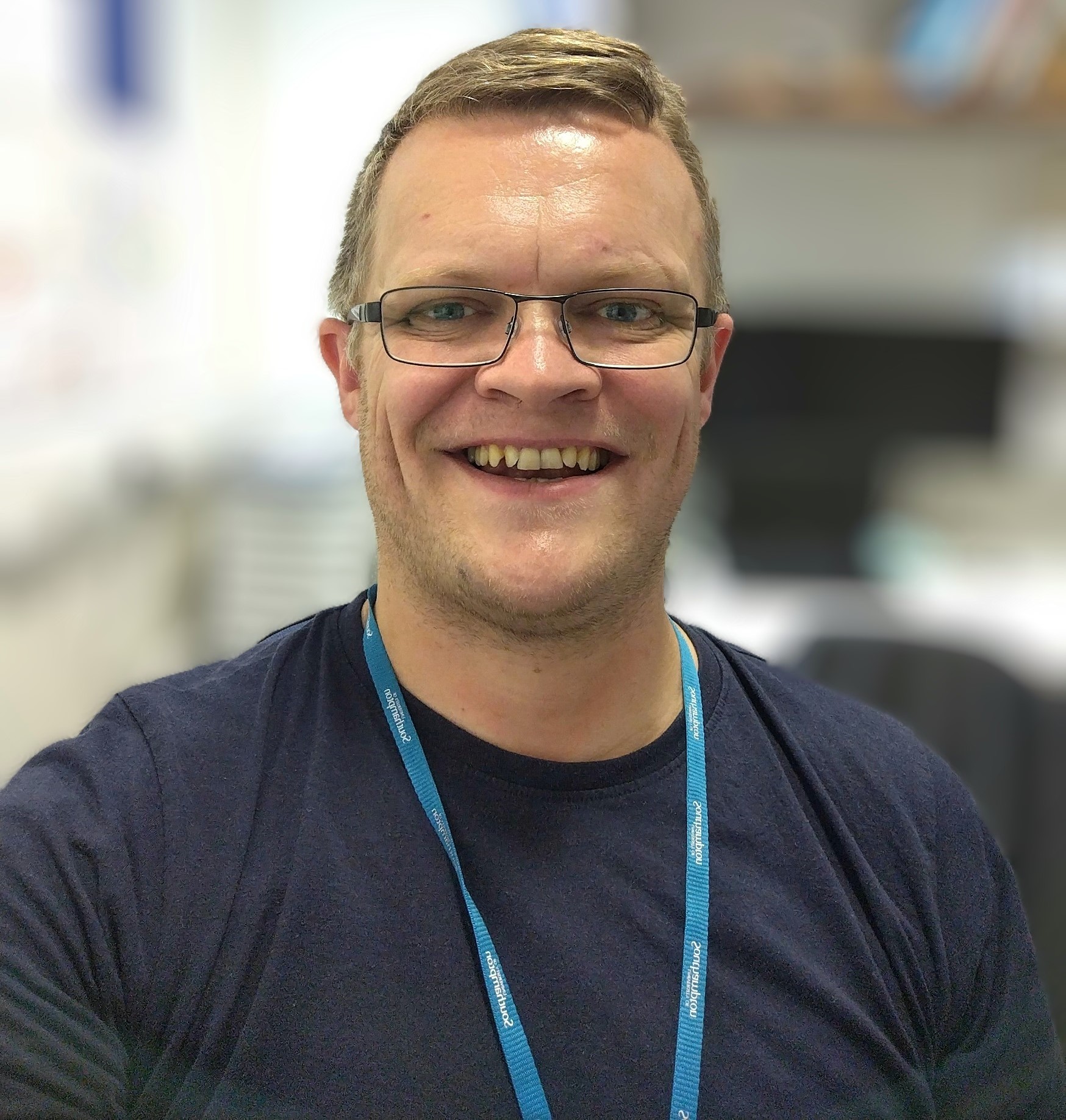
Dr Rumney was able to use an existing diabetes medicine, together with a previously developed drug for appetite regulation, to counteract the cancer-promoting signals in the lab, which killed the cancer cells and supported the survival of immune cells.
Although the researchers are still working to understand and validate the full impact of their findings, Dr Rumney feels positive that it could help improve treatment for these young patients.
He said: “It potentially opens the door to improved treatments. For example, this might be a reason why immunotherapy has not worked well so far for Ewings sarcoma, if the cancer cells are essentially driving the death of immune cells.
“Our work shows that there is possibly a way around this now, using drugs which we know are clinically safe to increase the survival of the immune cells and potentially, increase the success of immunotherapy.”
Because the drugs used in the project are already prescribed safely for other conditions, any future treatment could be available much more quickly than developing a new cancer drug from scratch. Dr Rumney hopes that this will offer patient and families the vision of a brighter future.
“Because Ewing sarcoma is a rare disease,” he said, “it’s harder to get the funding to make a new drug from scratch. Repurposing existing medicines could offer hope for new treatments much sooner,” he said.
“I had a rare disease myself as a teenager, so I know what it’s like – it’s really important to have options and hope.”
Phil Brace, Chief Executive of the LPT, said: “We are delighted to have supported work that will bring us one step closer to safer and kinder Ewing sarcoma treatments.
“Innovative approaches are vital to moving the field of childhood cancer research forward, so it is exciting to see repurposed medicines showing promise as a new way to target a hard-to-treat cancer.
“We look forward to seeing the real-life impacts of this work, once the team have further tested their discovery.”