

Amber GibsonFreelance Writer
PublishedApr 21, 2026, 6:45 PM EDT
UpdatedApr 21, 2026, 6:45 PM EDT
Updated Apr 21, 2026, 6:45 PM EDTPublished Apr 21, 2026, 6:45 PM EDT

The Looker selects products independently. If you purchase something from our posts, we may earn a small commission.
From skin serums and supplements to functional snacks and drinks, collagen is popping up everywhere right now. The essential protein (and now, buzzy ingredient) has a long history as a beauty superfood, with women in ancient China eating collagen-rich bird’s nest soup, fish maw, sea cucumber, and gelatinous cuts of meat like trotters and tendons for smooth, glowing skin.
Like many popular supplements and topicals, it can be hard to determine whether there’s merit to the products or whether they’re merely marketing gimmicks.
To get the lowdown on all things collagen, we spoke with aesthetic nurse specialist Michelle Shetty, BSN, RN, about the benefits—and limits—of supplementing with collagen skincare and ingestibles.
What is collagen?
Collagen is one of the skin’s essential proteins and the most abundant protein in the human body, creating structure and strength in muscles, skin, bones, and connective tissues.
Get a First Look
Sign up to receive news and updates from The Looker
“I think of collagen like Spanx for the face, providing support, structure, and bounce-back,” says Michelle Shetty, BSN, RN, and co-founder of The Fitz Aesthetic Club in Chicago. “As we age, collagen production declines and our existing collagen breaks down at a faster rate. These changes to the amount of collagen we have begin in our early twenties when we start to lose about one percent of collagen per year.”
Shetty notes that women experience an acceleration in collagen loss around menopause, while both men and women see a significant decline in their sixties. “This is often noticed first in the skin with sagging, wrinkling, or laxity but can also be felt with achy joints, weaker muscles, and changes to the gastrointestinal tract,” she says.
Do topical and ingestible collagen supplements work?
Unfortunately, Shetty says that topical collagen’s usefulness is questionable due to limited skin penetration. “Think of it like trying to push a tennis ball through a screen door,” she says. “It just sits on the surface.” That said, topically applied collagen can help moisturize the skin, creating a protective layer on the skin’s surface, but it likely won’t make it deep enough into the dermis to effectively treat fine lines, sagging skin, and other age-related concerns, like ingredients with a lower molecular weight (aka retinoids) can.
As for ingestible collagen, collagen peptides, typically found in supplements, are small enough to be absorbed through the gastrointestinal tract. “Once ingested, they may stimulate the body’s own collagen production processes, but this works systemically and cannot specifically target skin concerns.”
How to boost collagen
Avoid excessive sun exposure, smoking, and processed foods
Lifestyle habits like exposure to UV light (not wearing sunscreen or using tanning beds), smoking, and a diet heavy in highly processed foods can lower collagen levels even further. “Someone looking to preserve existing collagen and continue to build healthy collagen should avoid those factors whenever possible,” Shetty says.
Apply topical Vitamin A, Vitamin C, and niacinamide
To boost your skin’s collagen synthesis, Shetty recommends retinoids (vitamin A derivatives such as tretinoin and retinol), vitamin C, and niacinamide, which stimulate collagen production while reducing inflammation. “A typical approach might be Vitamin C in the morning and retinol at night, with niacinamide offering additional support,” she says. “Look for products with high-quality, stabilized versions of these ingredients, and introduce them gradually to avoid irritation.”
Eat whole foods rich in Vitamin C, zinc, and copper
“Since we know collagen cannot be absorbed in its whole form and must be broken down, eating a well-balanced diet rich in vitamin C, zinc, and copper will support your body’s natural collagen production from the inside out,” Shetty says.
For vitamin C, she suggests citrus, bell peppers, broccoli, and leafy greens, while oysters, red meat, chickpeas, beans, and whole grains are great sources of zinc. For copper, Shetty recommends liver, nuts, tofu, and dark chocolate.
Stimulate collagen with professional treatments
“Professional treatments are where you move from maintaining collagen to actively rebuilding it,” Shetty says. Microneedling, chemical peels, laser resurfacing, and biostimulators like Sculptra and Radiesse (all available at The Fitz) help trigger collagen synthesis in the deeper layers of the skin.
Collagen-boosting skincare products 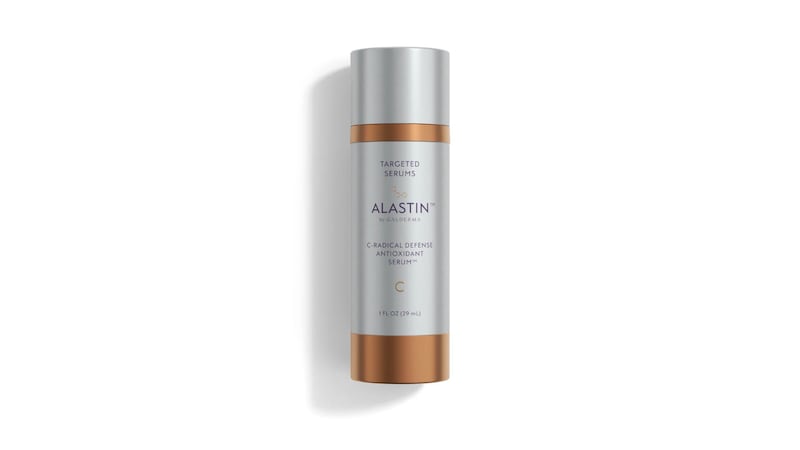 Alastin C-Radical Defense Antioxidant Serum
“When deciding on a Vitamin C product, you want to choose one that is stabilized because, although ascorbic acid is the most potent form of Vitamin C, it degrades quickly when exposed to light and air, so you will want to find a formulation that protects against both light and air, like this one.”
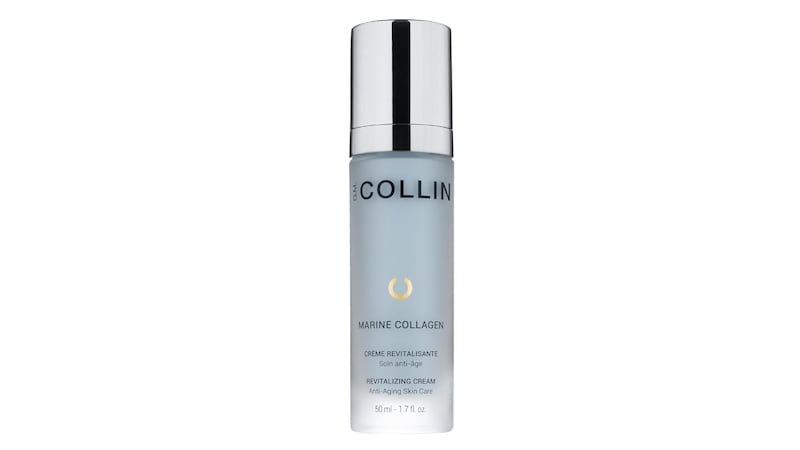 G.M. Collin Marine Collagen Revitalizing Cream
This cream blends two types of marine collagen, extracted from cod fish skin and scales: a higher-molecular-weight form for surface moisturization, and lower-weight collagen oligopeptides with moisturizing amino acids like glycine, proline, and hydroxyproline that can penetrate more deeply into the skin.
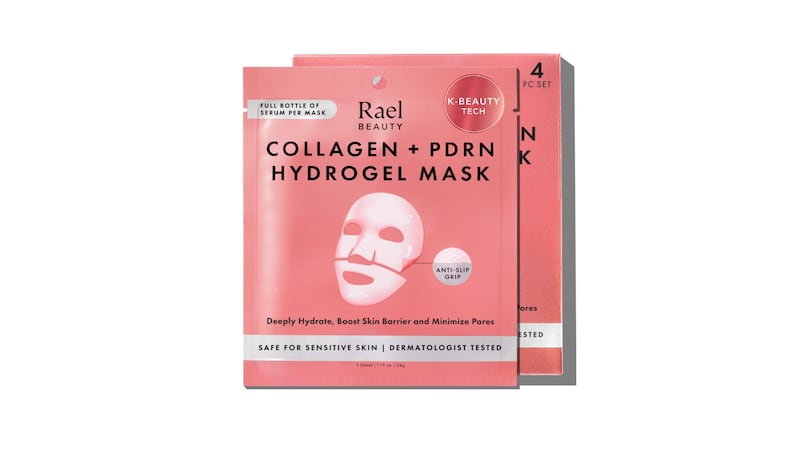 Rael Beauty Collagen + PDRN Hydrogel Mask
This hydrogel mask hugs the face nicely and contains low-molecular (221Da) hydrolyzed collagen and PDRN (Polydeoxyribonucleotide), a biostimulator extracted from wild salmon milt that jumpstarts collagen production rather than simply hydrating the skin surface. “Anything less than 500Da can penetrate the stratum corneum, or the outermost layer of the skin,” Shetty says.
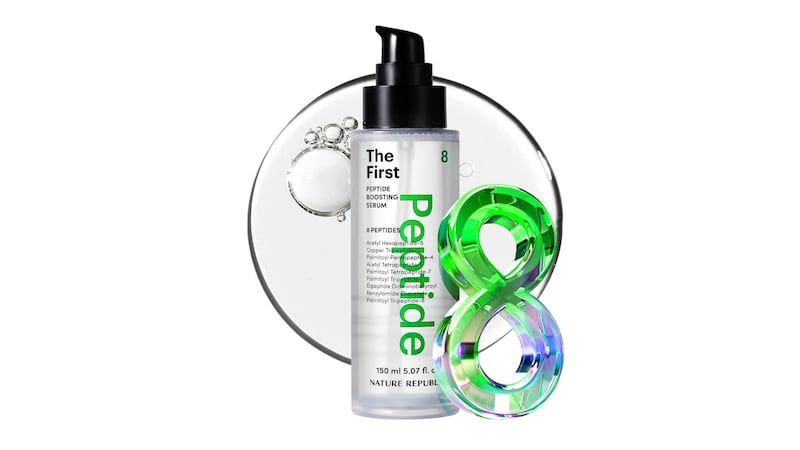 Nature Republic The First Peptide Boosting Serum
A lightweight essence containing a synergistic blend of eight collagen-boosting peptides to plump and firm the skin, plus niacinamide to brighten skin tone and reinforce the skin barrier.
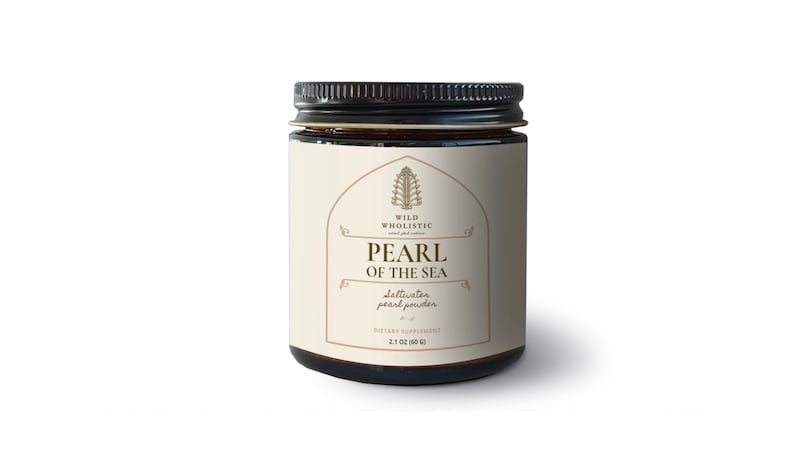 Wild Wholistic Pearl of the Sea Powder
Pearl powder has been an ancient beauty secret in Traditional Chinese Medicine and Ayurveda for thousands of years. This pure pearl powder is sourced from sustainably cultivated saltwater pearls in East Asia, and a potent source of calcium, antioxidants and amino acids, promoting collagen synthesis from within.

Unlock a year of full access to The Looker and The Daily Beast for $35.
Recommended
AnnualSave 48%
$35Year One
then $59.99 yearly
Select
Discounted annual rateAccess to all articles (web + app)Ad-free exclusive newslettersCommenting AccessDaily crosswordSneak peek of launches & events
Select
Monthly
$1Welcome Offer
then $5.99 monthly
Select
Access to all articles (web + app)Ad-free exclusive newslettersCommenting AccessDaily crosswordSneak peek of launches & events
Select
Ad-Free
$99Year One
then $119.99 yearly
Select
Premium ad-free readingAccess to all articles (web + app)Ad-free exclusive newslettersCommenting AccessDaily crosswordSneak peek of launches & events
Select
Looks like you already have a subscription!
You’re all set!
Thanks for subscribing.
Back to plansContinue with GoogleContinue with Facebook Register below to read this article for free or subscribe to unlock unlimited access to The Looker and The Daily Beast.
SubscribeRegister
Recommended
AnnualSave 48%
$35Year One
then $59.99 yearly
Select
Discounted annual rateAccess to all articles (web + app)Ad-free exclusive newslettersCommenting AccessDaily crosswordSneak peek of launches & events
Select
Monthly
$1Welcome Offer
then $5.99 monthly
Select
Access to all articles (web + app)Ad-free exclusive newslettersCommenting AccessDaily crosswordSneak peek of launches & events
Select
Ad-Free
$99Year One
then $119.99 yearly
Select
Premium ad-free readingAccess to all articles (web + app)Ad-free exclusive newslettersCommenting AccessDaily crosswordSneak peek of launches & events
Select
Already have an account? Sign In
Looks like you already have a subscription!
You’re all set!
Thanks for subscribing.
Back to plansContinue with GoogleContinue with FacebookSign in
Login dialog