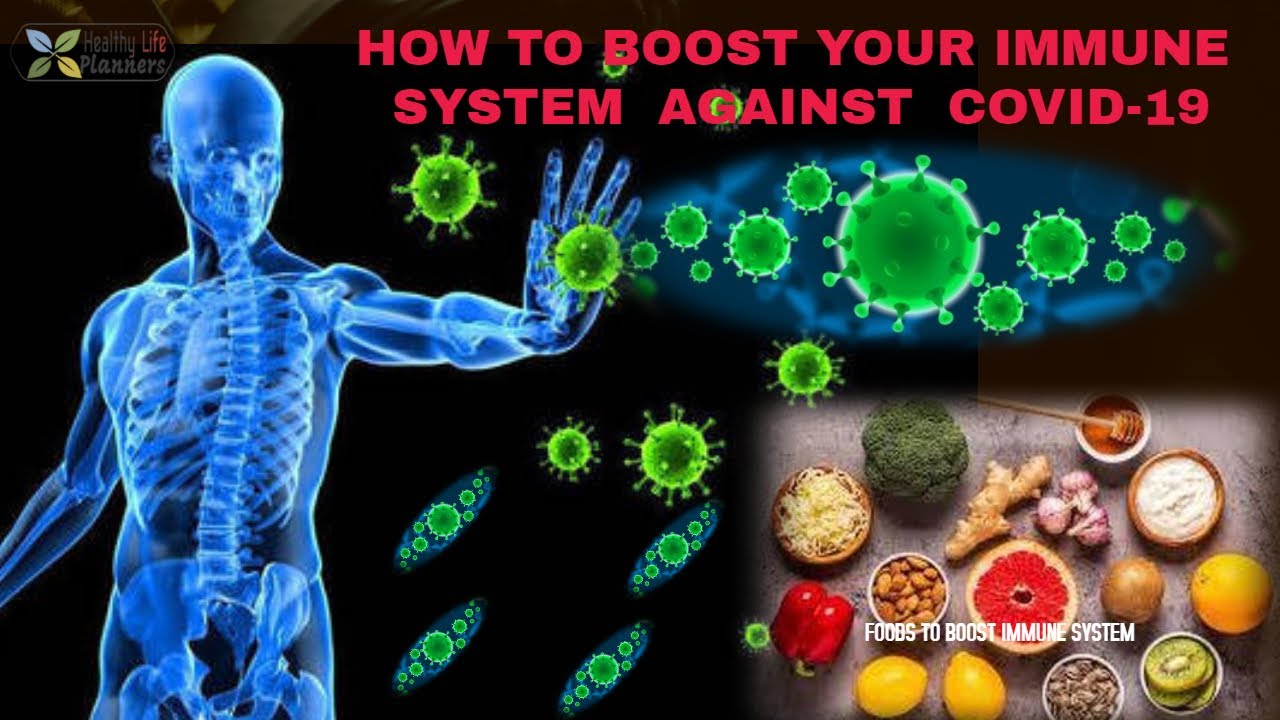
How to boost your immune system during the COVID-19 …
This is the question on everyone’s mind as we face a worldwide crisis.
We don’t yet know how to fully prevent or manage the damage caused by COVID-19,
the disease caused by a coronavirus that is new to us all.
How can you improve your immune system?
On the whole, your immune system does a remarkable job of defending you against disease-
causing microorganisms. But sometimes it fails:
A germ invades successfully and makes you sick.
Is it possible to intervene in this process and boost your immune system?
What if you improve your diet?
Take certain vitamins or herbal preparations?
Make other lifestyle changes in the hope of producing a near-perfect immune response?
What can you do to boost your immune system?
The idea of boosting your immunity is enticing,
but the ability to do so has proved elusive for several reasons.
The immune system is precisely that — a system, not a single entity.
To function well, it requires balance and harmony.
Your first line of safeguard is to pick a sound way of life.
Following general great well being rules is the absolute best advance you can take toward normally
keeping your safe framework solid and sound.
All aspects of your body, including your invulnerable framework, works better when shielded from
natural ambushes and supported by sound living systems, such as these:
1. Don’t smoke
Smoking damages nearly every organ in the body.
The effects of tobacco smoke on the immune system include:
* Greater susceptibility to infections such as pneumonia and influenza
* More severe and longer-lasting illnesses
*reduced lung function and breathlessness due to swelling and narrowing of the lung airways and excess mucus in the lung passages
*increased risk of lung infection and symptoms such as coughing and wheezing
The effects of tobacco smoke on the circulatory system include:
*raised blood pressure and heart rate
*less oxygen carried by the blood during exercise
*constriction (tightening) of blood vessels in the skin, resulting in a drop in skin temperature
*tightening of certain muscles
*reduced bone density.
*lower sperm count
*genetic damage to sperm
*reduced fertility, menstrual cycle irregularities, or absence of menstruation
*increased risk of cancer of the cervix
*irritation and inflammation of the stomach and intestines
2. Eat a diet high in fruits and vegetables.
Fruits and vegetables contribute a host of beneficial nutrients and other food components,
such as phytochemicals and fiber, to your diet. One of the initial adverse effects of avoiding fruits
and vegetables might be a vitamin or mineral deficiency.
Avoiding these foods can impact any of these functions.
Digestive Issues
Fruits and vegetables contain a type of indigestible carbohydrate called fiber, which doesn’t contribute calories to your diet but can improve your intestinal health. Insoluble fiber increases the bulk of waste products in your large intestine, speeds up the waste as it passes through your system and helps you avoid constipation and hemorrhoids. Lack of fiber in your diet can have the opposite effect.
Disease Risk
Soluble fiber swells as it passes through your gut and slows the absorption of nutrients such as glucose and cholesterol. In this way, it can help regulate your blood levels of these molecules and may lessen your risk of diabetes or elevated cholesterol levels. In addition, fruits and vegetables are rich in phytochemicals, plant-based substances that not only contribute color to these foods but also may reduce inflammation and even slow or prevent tumor growth.
Weight Gain
Fruits and vegetables have a relatively low energy density, meaning they offer few calories per unit of weight.
3. Exercise regularly.
Exercising regularly lowers a person’s risk of developing some diseases,
including obesity, type 2 diabetes, and high blood pressure.
Exercise also can help keep your body at a healthy weight. Exercise can help a person age well.
How Lack of Exercise Affects Health
Obesity. Obesity is one of the major effects of a lack of exercise. …
High Blood Pressure. Being overweight can lead to hypertension. …
Decline in Brain Function. …
Reduction in Strength of Bones and Muscles. …
Increased Chances of Developing Cancer.
4. Maintain a healthy weight.
5. If you drink, avoid alcohol in take.
*Don’t rely on alcohol, drugs, or compulsive behaviors to reduce stress.
This presentation contains images that were used under a Creative Commons License. Click here to see the full list of images and attributions: