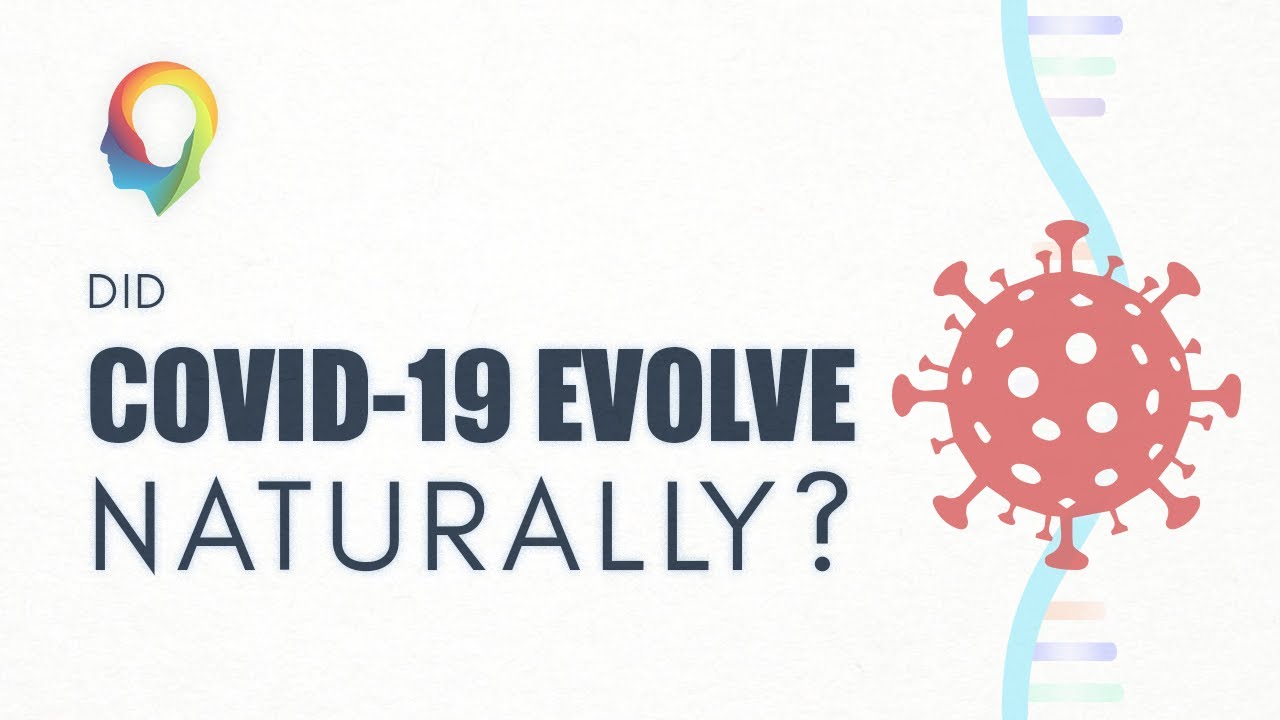
The severe acute respiratory syndrome coronavirus 2 is the virus responsible for the 2019 novel coronavirus disease or COVID-19. SARS-CoV-2 is a member of a larger family of coronaviruses that can cause illnesses that range widely in severity. A second outbreak of severe illness would also occur in 2012 in Saudi Arabia with the Middle East Respiratory Syndrome or MERS.
SARS-CoV-2 is a particularly dangerous strain of coronavirus because of its perfect balance of contagiousness , incubation period, and fatality rate.
OUTBREAK
On December 10th, 2019, Wei Guixian of Wuhan, China, began to feel ill, becoming one of the earliest known cases of a SARS-CoV-2 infection. In the coming days, both Ai Fen, a top director at Wuhan Central Hospital and Li Wenliang , a Wuhan doctor, had posted information on the Chinese messaging platform WeChat about the new virus. By December 31st, Wuhan health officials had confirmed 27 cases of the new illness and subsequently closed the market they thought was related to the virus’ outbreak. Officials at the Hubei Provincial Health Commission ordered labs, which had already determined that the novel virus was similar to SARS, to stop testing samples and to destroy existing samples.
The reality of the contagious nature of SARS-CoV-2 would soon become dangerously apparent.
STRUCTURE
Structurally, SARS-CoV-2 is composed of a spherical shell made up of a lipid membrane encompassing a core that contains the virus’ genetic material. While spike proteins are a characteristic of all coronaviruses, the genomic data has revealed a peculiarity of SARS-CoV-2, it binds and fuses to the host’s cell wall as a result of a cleavage site that’s activated by the enzyme furin. The significance of this finding is that furin is not only present on lung cells, but also in the tissues of the liver and small intestine, allowing SARS-CoV-2 to have multiple potential infection points in the human body.
EVOLUTION
The nature of how SARS-CoV-2’s spike proteins behave also offers a glimpse of its origin. Researchers have found that the receptor-binding domain portion of the SARS-CoV-2 spike protein had evolved to effectively target proteins expressed by the ACE2 gene. SARS-CoV-2 spike proteins are so effective at binding to human cells, that scientists have concluded that this feature was the result of natural selection and not the product of genetic engineering. This evidence for natural evolution has been supported by data on SARS-CoV-2’s overall molecular structure or its backbone.
From the genomic sequencing analysis, researchers have concluded one of two likely possible scenarios for SARS-CoV-2. The 2003 SARS outbreak was attributed to direct human exposure to civets while the 2012 MERS outbreak was a result of exposure to camels. In this theory, the originating animal of SARS-CoV-2 is proposed to be bats since it’s structure is very similar to bat coronavirus. Because the distinct features of SARS-CoV-2’s spike protein would have already evolved prior to entering humans, in this theory the current pandemic would have emerged rapidly from either a small infected group or even a single infected individual.
The SARS-CoV-2 cleavage site appears to be similar to that of strains of bird flu that have been shown to transmit easily between people.
As of April 2020, the SARS-CoV-2 spike protein is being heavily used as a target antigen in vaccine development. It’s hopeful that SARS-CoV-2 strength, it’s spike protein, will also serve as it’s weakness, becoming the unique molecular identifier that our immune systems will “remember” to resist COVID-19 infection.
REFERENCES
Characterization of the receptor-binding domain (RBD) of 2019 novel coronavirus: implication for development of RBD protein as a viral attachment inhibitor and vaccine
The spike glycoprotein of the new coronavirus 2019-nCoV contains a furin-like cleavage site absent in CoV of the same clade.
The proximal origin of SARS-CoV-2
Mutational Analysis of the Murine Coronavirus Spike Protein: Effect on Cell-to-Cell Fusion
SUPPORT NEW MIND ON PATREON
SOCIAL MEDIA LINKS
Instagram –