The University of Kansas Health System is seeing a slight decrease in the number of COVID-19 patients. 13 patients are being treated for the virus, down from 16 yesterday. All patients have been moved to one unit, so there are none in the ICU, though three COVID-19 patients remain on ventilators.
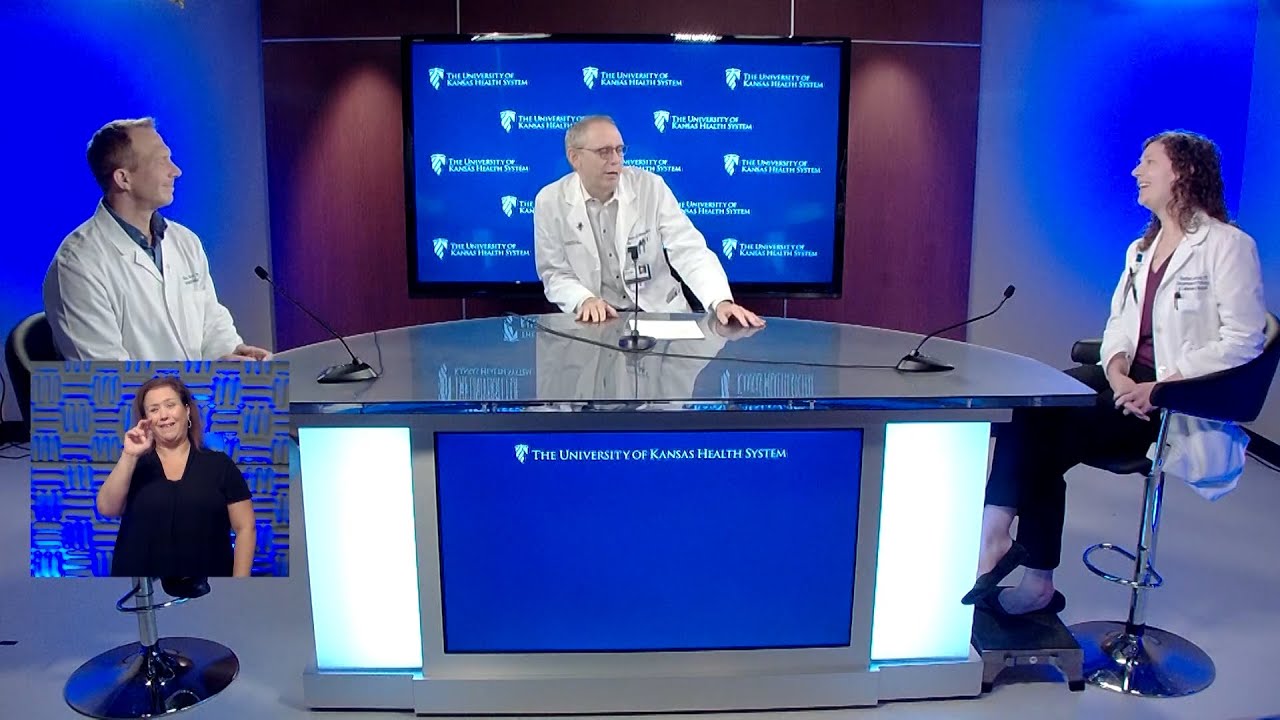
KDHE Secretary Lee Norman returns to update antibody testing at the state level. He is joined by Rachael Liesman, Ph.D., Director of Microbiology at the health system, and Rick Couldry, Pharm D, VP Pharmacy and Health Professions. They join Dr. Stites and Dr Hawkinson to bring us up to date.
Dr. Norman spoke about antibody testing, and how the KDHE is in the process of being certified for those tests. He says the problem with antibody testing till now has been that they have not been specific for COVID-19. He warns that if a person tests positive for the COVID-19 antibodies, they’ll think they are immune, and he stresses that has not been proven. He also says the antibody test is not a diagnostic test. He plans on testifying before the Kansas Legislature today about the importance of contact tracing.
Dr. Liesman says The University of Kansas Health System is about two weeks away from being ready for antibody testing. She discussed the effectiveness of the testing and the science behind it, She says the current PCR, or nasal swab, is still the best way to diagnose COVID-19 and says it’s still to be determined how antibody testing will fit in.
Rick Couldry discussed the future of testing at The University of Kansas Health System, and says he expects antibody testing will be widely available. He doesn’t think it’s suited for drive-through testing like the nasal swab, since it will require a finger prick or a blood draw, which is best done in a lab. He also explained how the labs, clinics and the outpatient pharmacy have changed to become much safer for patients.
Steve Stites, MD, chief medical officer at the health system, says it’s important to ask how the information from antibody testing will be used. He explains that it’s simply another piece of information in the overall picture of a patient’s health, and more suited for individual situations determined by a doctor and patient rather than mass population testing.
Dana Hawkinson, MD, medical director of infection prevention and control at The University of Kansas Health agrees that the question of whether you need antibody testing should be one for just the doctor and patient. He says it’s hoped there will be some immunity for patients who have already had COVID-19, but it’s too soon to tell. He explained why it’s virtually impossible to get the virus from a drive-through testing site. He also says it’s definitely possible for the disease to spread from big public gatherings such as in the Ozarks and the recent protests around the country.
Friday, June 5 at 8:00 a.m. is the next daily briefing call. Danielle Johnson, Ph.D., Psychology and Sierra Stites Public Health Student join us to talk about the emotional and mental toll on the population that is also most vulnerable to COVID-19. We will also update the health system visitation policy.