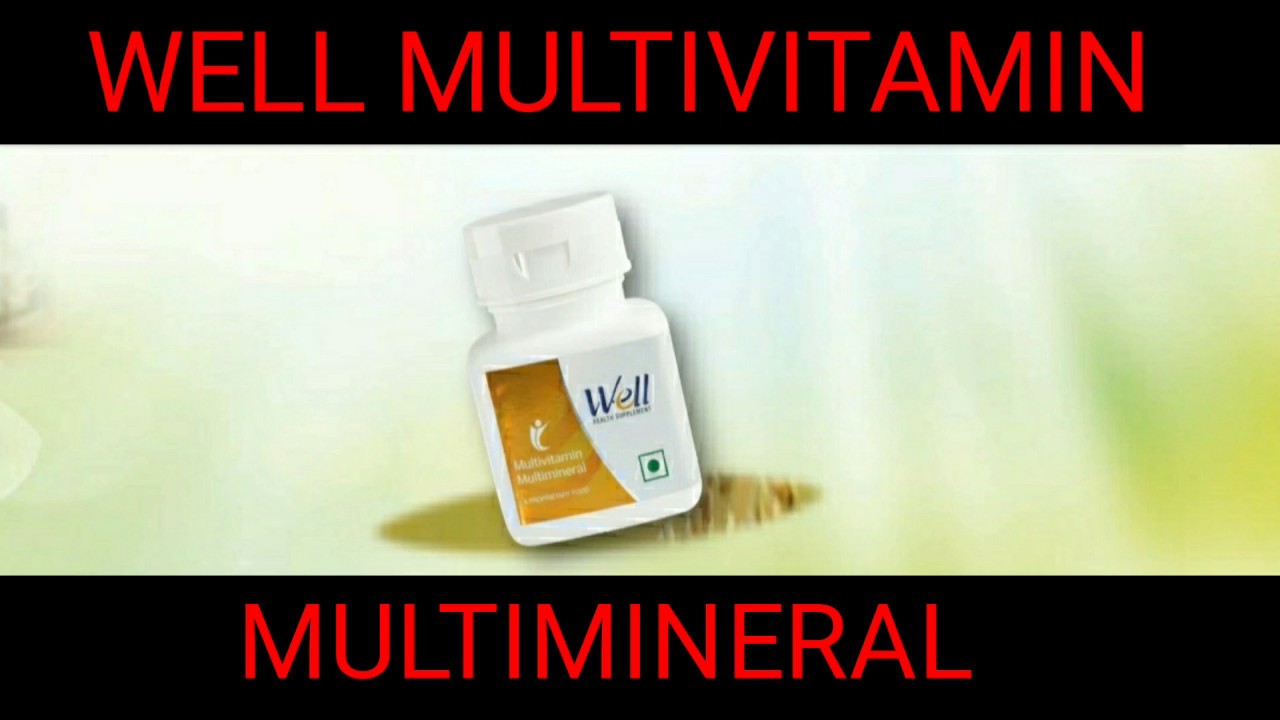
Well multivitamin multimineral provides the necessary nutrients that helps in bridging the nutritional gap. It provides 12 essential vitamins, 11 important minerals with additional benefits of phytonutrients and amino acids that are essential for the growth, maintenance and repair of the body
About Modicare Multivitamin-Multimineral Tablet
Multivitamin-Multimineral Tablet fromModicare contains essential vitamins and minerals which support your health and help you stay fit all day long. Vitamins are organic compounds, essential to the body’s needs to grow and develop and for normal physiological functions. They are natural components found in food though in small amounts. Vitamins support growth and reproduction. Absence of vitamins causes deficiency in the body. Vitamins are of two types namely fat soluble (A, D, E, K) and water soluble (C, B). There are 13 vitamins in total. The best way to get enough vitamins is through consumption of a balanced diet. If deficiency persists, it is recommended to take vitamin supplements.
Vitamin B1 or Thiamine helps in release of energy from carbohydrates and helps to transmit nerve impulses. Commonly found in whole grains, nuts, fruits and pork. Deficiency of Vitamin B1 affects nervous system resulting in difficulty in walking.
Vitamin B2 or Riboflavin promotes healthy growth and tissue repair and helps release energy from carbohydrates/ macro-nutrients. Its common sources include – milk, dairy, dark leafy vegetables, meat, poultry, legumes and mushrooms. Vit B2 deficiency results in inflammation of the mouth, nose and tongue, dry scaling lips.
Vitamin B3 or niacin extracts energy from macro-nutrients, important for normal structure and functioning of skin and body linings and nervous system. Meat, poultry, fish, legumes, eggs are a good source of niacin. Deficiency of vitamin b3 results in pellagra (diarrhea, dermatitis, dementia and death)
Vitamin b5 or pantothenic acid acts as a co-enzyme and helps in energy release from macro-nutrients. It is found in both plant and animal food sources. Insomnia, headache, nausea can be seen if deficiency of vitamin b5 exists.
Vitamin B6 or pyridoxamine helps in macro-nutrient metabolism. It converts tryptophan to niacin and helps in red blood cells and antibodies formation. Commonly found in beans, legumes, nuts, egg, meat, fish and cereals. Its deficiency results in anemia and decreased antibody production.
Vitamin B7 or biotin acts as a coenzyme in carbohydrate and fat metabolism. Found in both animal and plant food sources, its deficiency results in dermatitis, tongue soreness and hair loss.
Vitamin B9 or folic acid or folate is necessary for RBC’s development, DNA formation and neural tube formation in fetus. Found in green leafy vegetables, liver, legumes, milk, nuts, cereals and dairy products. Folic acid deficiency results in anemia, spina bifida and neural tube defects.
Vitamin B12 or cobalamine is essential in folic acid metabolism, formation of new cells and RBC’s. Exclusively found in animal food sources like eggs, meat, poultry, fish, milk and dairy. Its deficiency anemia, fatigue, loss of appetite, dementia, loss of bowel and bladder control.
Vitamin C also called ascorbic acid helps in formation of collagen, aids in iron absorption, build new tissues to heal wounds and increased resistance to wounds. It is abundant in citrus fruits, guava, strawberries, gooseberries, capsicum, tomatoes, potatoes and raw cabbage. Vit C deficiency results in scurvy, anemia and weakness.
Vitamin A or retinol (precursor: – Beta carotene) promotes normal vision, growth, resistance to infection and maintains healthy skin. It is found in dark green leafy vegetables, yellow and orange colored vegetables. Its deficiency results in xeropthalmia, night blindness. If taken in excess amounts results in toxicity called hypervitaminosis A. excess intake in pregnancy might cause birth defects.
Vitamin D or cholecalciferol promotes absorption of calcium and phosphorus, maintains healthy strong bones and teeth and optimal calcification of bones. It had to be absorbed from sunlight. It can be stored in he body. Deficiency of vitamin d leads to rickets, osteomalacia and excess of Vit D results in excess levels of calcium in blood.
Vitamin E (tocopherols) acts as antioxidants that neutralizes the damage of free radicals and blocks carcinogens. It prevents breakdown of Vitamin A and unsaturated fatty acids. It is known to be beneficial for skin and hair. Vegetable oils, whole grains, nuts and seeds, whet germ and dairy products are rich in vitamin E. Its deficiency leads to hemolysis of RBCs and nerve destruction.
Vitamin K (phylloquinone) is known for blood clotting. It helps in production of prothrombin and some clottin