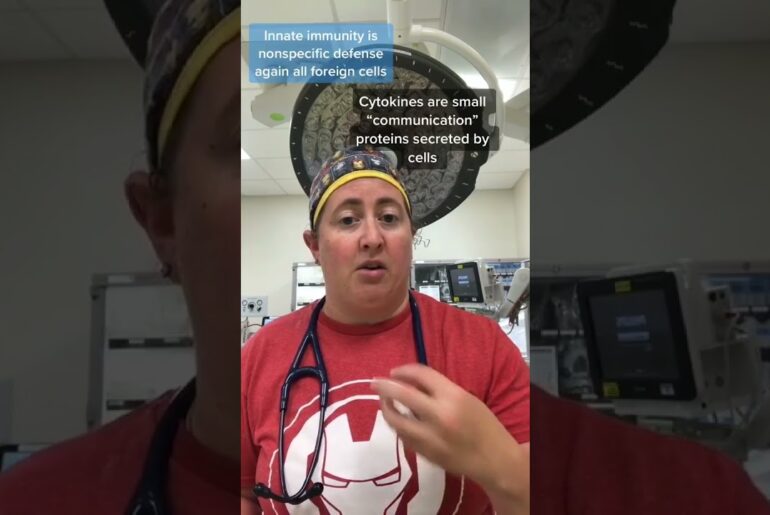
Covid-19: Impact of Corona Virus on elderly patients more than 60 years old (Urdu/Hindi)
In this video we have discussed three issues which are as follows:
1. Why does Covid-19 have adverse affect on patients who are more than 60 years old?
2. What are the factors which affects this worse outcome?
3. What precautions and management could be done to improve this outcome?
The data and statistics from around the world regarding Covid-19/Corona Virus suggest that patients who are infected with this virus and are more than 60 years old have a higher mortality or dead rate and do not do well.
The factors which affect a patient’s ability to respond to the infection are as follows:
1. Age
2. Co-morbidities or medical problems
3. Medications
4. Lifestyle
5. Nutrition
Body’s immune system response is made of two parts. The first line and second line of defence. In the first line of defence, body’s immune system produces leucocytes which fight the invading bacteria or virus. In the second line of defence, body’s immune system produces antibodies and T cells which fight the remaining bacteria and virus.
With advancing age, a person’s ability to generate the T cells decreases making them susceptible to infections which a younger person would normally succeed in fighting.
Patients who are more than 60 years most likely have any of the following medical issues:
1. Heart problems
2. Respiratory or lung problems
3. Diabetes mellitus
4. Hypertension
5. Immuno-compromised
These medical conditions and the medications which are taken to treat them could make a person’s immune system weak and thus making them more prone and susceptible to infections.
A lifestyle which includes less activity and a non-balanced diet, have further effects in weakening the immune system.
Protecting the elderly patients and relatives from acquiring the infection should be the top priority. Following are the ways to do it:
1. Regular washing of hands with soap and water
2. Regular use of hand sanitizers
3. Regular use of face mask
4. Regular cleaning of surfaces in the house
5. Limiting social gatherings and interactions
6. Taking well balanced nutrition
7. Living an active lifestyle
8. Taking medications regularly
9. Regular check of blood sugar levels and blood pressure
Dr Mashhood Qazi, Consultant Emergency Medicine, MBBS, DipPH (UK), MPH (UK), MRCEM (UK), FRCEM (UK)