Else Nutrition launching trial samples in US – Dairy Reporter Can Be Fun For Everyone
Click here to read more. Adult females need 8 mg of zinc a day, and men need 11 mg. Dietary sources include oysters, beef, fortified breakfast cereals, and baked beans. For more on dietary sources of zinc, click here. Iron is essential for the formation of red cell, which bring oxygen to all parts of the body.
Insufficient can result in anemia, consisting of gastrointestinal issues, weak point, and difficulty thinking. Discover more here about iron shortage. Excessive can result in digestion issues, and extremely high levels can be fatal. Excellent sources consist of strengthened cereals, beef liver, lentils, spinach, and tofu. Adults need 8 mg of iron a day, however females require 18 mg during their reproductive years.
Too little bit can result in weak bones in kids, skin rashes in guys, and state of mind modifications in females. Excessive can cause tremors, muscle spasms, and other symptoms, however only with really high quantities. Mussels, hazelnuts, brown rice, chickpeas, and spinach all supply manganese. Male grownups require 2.3 mg of manganese every day, and women require 1.8 mg.
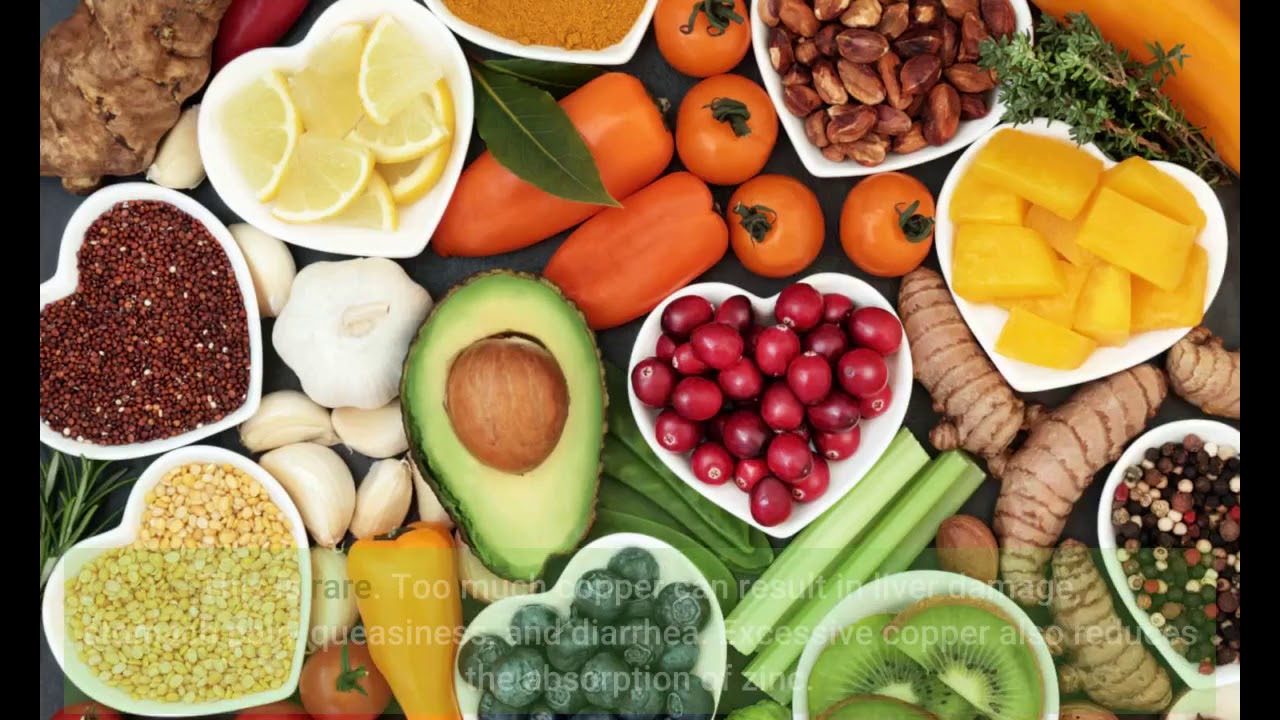
Too little copper can result in exhaustion, patches of light skin, high cholesterol, and connective tissue disorders. This is rare. Too much copper can result in liver damage, stomach pain, queasiness, and diarrhea. Excessive copper also reduces the absorption of zinc. Excellent sources include beef liver, oysters, potatoes, mushrooms, sesame seeds, and sunflower seeds.
As an antioxidant, it can also avoid cell damage. Too much selenium can trigger garlic breath, diarrhea, irritability, skin rashes, breakable hair or nails, and other symptoms. Insufficient can result in heart problem, infertility in men, and arthritis. Grownups require 55 mcg of selenium a day. Brazil nuts are an outstanding source of selenium.
Tuna, ham, and enriched macaroni are all excellent sources. Eating a range of healthy foods can offer the body with different vitamins. Individuals need percentages of different vitamins. Some of these, such as vitamin C, are also antioxidants. This means they help protect cells from damage by removing harmful molecules, understood as complimentary radicals, from the body.