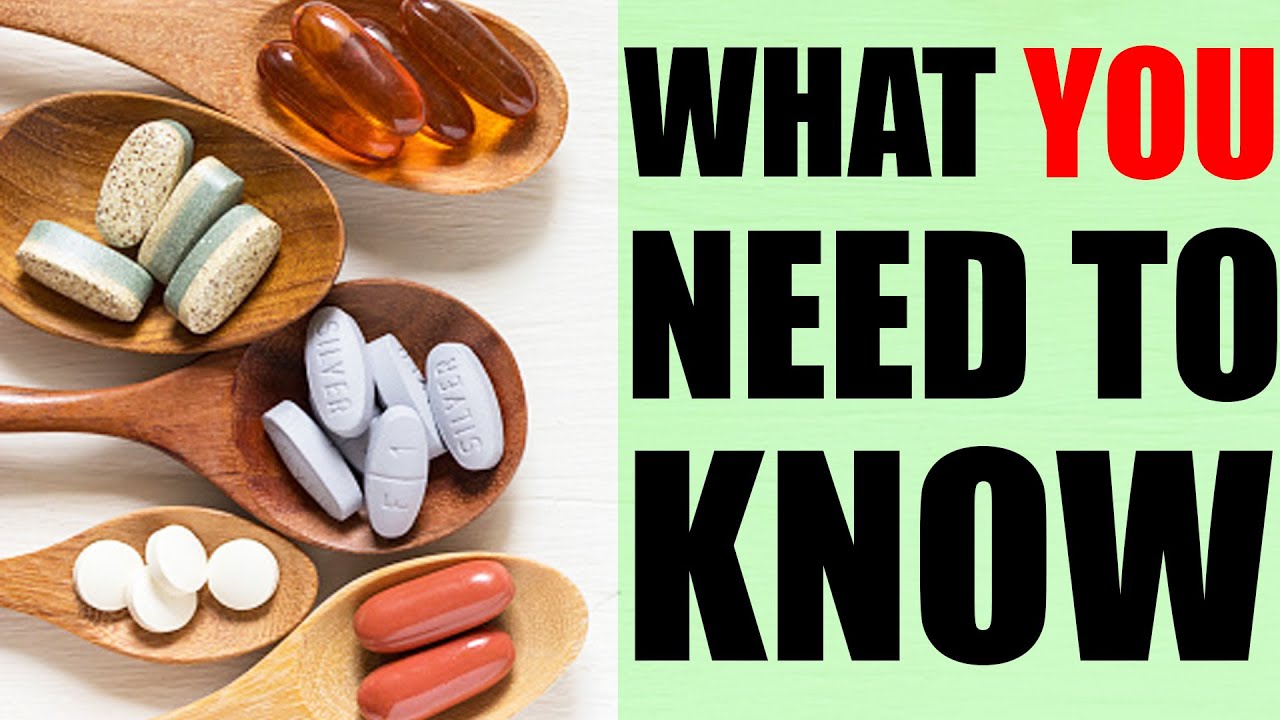
Vitamins and minerals are a must have for every human being.
In the modern era with all the processed foods void of most of those vitamins and minerals, should you consider taking those supplements to help you? And what about athletes, bodybuilders and fitness people?
Other muscle building, fat loss, testosterone increasing nutrition videos:
proven ways to increase your testosterone naturally:
supplement reviews:
Food first!
“Nutritionists recommend food first because foods provide a variety of vitamins and minerals and also dietary factors that are not found in a vitamin or mineral supplement,” said Penny Kris-Etherton, Ph.D., R.D., and Distinguished Professor of Nutrition at the Pennsylvania State University’s College of Health and Human Development.
For example, she points out that foods provide many bioactive compounds and dietary fiber that typically aren’t found in supplements. And some supplements don’t allow for full absorption of vitamins.
“If taken on an empty stomach without any food, some of the fat-soluble vitamins will not be absorbed as well as they would if the supplement was consumed with a food that provides fat,” said Kris-Etherton, who also is a volunteer with the American Heart Association.
Supplements May Help
While diet is the key to getting the best vitamins and minerals, supplements can help. For instance, if you’re doing your best to eat healthy foods but still are deficient in some areas, supplements can help. The key is to ensure they’re taken in addition to healthy diet choices and nutrient-dense foods. They’re supplements, not replacements. Only use supplements if your healthcare professional has recommended them.
“A supplement will generally provide 100 percent of the daily recommended allowance for all vitamins and minerals,” Kris-Etherton said. “Therefore, many nutritionists will agree that a supplement is OK if nutrient needs are not being met by a healthy food-based diet.”
Do What’s Best for You
As said earlier, before taking vitamin and mineral supplements, talk to your physician about your personal dietary plan. Also, consider these recommended “do’s and don’ts” from the American Heart Association:
Do this:
Eat a healthy diet. There’s just no substitute for a balanced, nutritious diet that limits excess calories, saturated fat, trans fat, sodium and dietary cholesterol. This approach has been shown to reduce coronary heart disease risk in healthy people and those with heart disease.
Patients with heart disease should consume about 1 gram of omega-3 fatty acids called EPA + DHA. This should ideally come from fish. This can be hard to get by diet alone, so a supplement could be needed. As always, consult with a physician first.
If you have elevated triglycerides, try to get 2 to 4 grams per day of EPA+DHA.
Don’t do this:
Don’t take antioxidant vitamin supplements such as A, C and E. Scientific evidence does not suggest these can eliminate the need to reduce blood pressure, lower blood cholesterol or stop smoking.
Do not rely only on supplements. There isn’t sufficient data to suggest that healthy people benefit by taking certain vitamin or mineral supplements in excess of the daily recommended allowance. Some observational studies have suggested that using these can lower rates of cardiovascular disease and/or lower risk factor levels.
However, it’s unclear in these studies whether supplements caused these improvements.
AHA Scientific Position
We recommend that healthy people get adequate nutrients by eating a variety of foods in moderation, rather than by taking supplements. An exception for omega-3 fatty acid supplements is explained below.
The Dietary Recommended Intakes (DRIs) published by the Institute of Medicine are the best available estimates of safe and adequate dietary intakes. Almost any nutrient can be potentially toxic if consumed in large quantities over a long time. Interactions between dietary supplements and prescription drugs and among several dietary supplements taken at the same time may occur. Too much iron can increase the risk of chronic disease, and too much vitamin A can cause birth defects.
Moreover, vitamin or mineral supplements aren’t a substitute for a balanced, nutritious diet that limits excess calories, saturated fat, trans fat, sodium and dietary cholesterol. This dietary approach has been shown to reduce coronary heart disease risk in both healthy people and those with coronary disease.
more from;